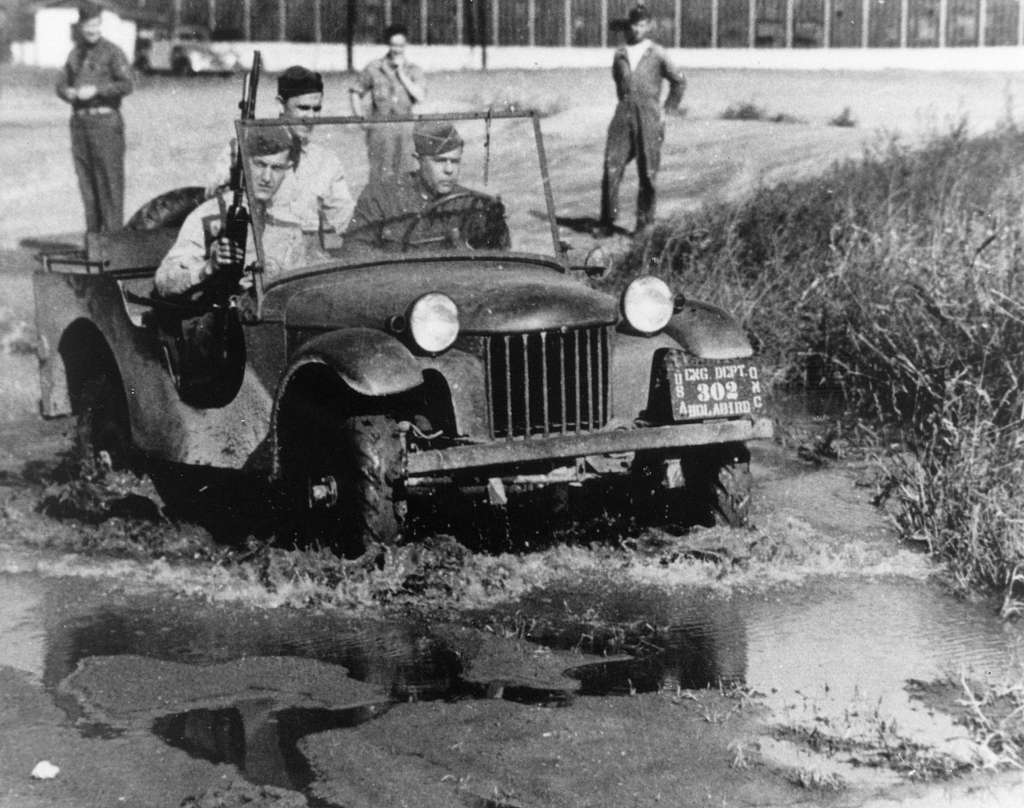
The Bantam pilot, nicknamed the "Blitz Buggy," hauls three armed soldiers through the mud during Army testing at Camp Holabird in 1940. Photo: U.S. Army via Wikimedia Commons (public domain)
Eighty-six years ago today, a squat little four-wheel-drive runabout from a struggling Pennsylvania carmaker rolled through the gate at Camp Holabird, Maryland, under its own power. On September 23, 1940, American Bantam delivered its pilot “Bantam Reconnaissance Car” to the U.S. Army, and in doing so handed the world the first jeep. Every Wrangler rock-crawling a trail this weekend, every flat-fender restoration in a barn somewhere, and every seven-slot grille traces back to that one scruffy prototype.
The Army Wanted a Miracle in 49 Days
In the summer of 1940, with war already burning across Europe, the Army decided it needed a light, go-anywhere scout car to replace horses and motorcycles. It sent bid requests to 135 manufacturers. The wish list, as the Heinz History Center sums it up, called for four-wheel drive, a 600-pound payload, a folding windshield, a body no taller than 36 inches, and the ability to go anywhere a horse could go. The original spec also capped curb weight at a frankly delusional 1,300 pounds.
The catch was the calendar. Builders had to deliver a running pilot in 49 days, with 70 more vehicles to follow. The big automakers mostly shrugged. The company that jumped was American Bantam of Butler, Pennsylvania, a maker of tiny Austin-derived economy cars that was, to put it politely, not swimming in money or orders. Bantam submitted its bid on July 22 and won the contract on August 5, 1940. Count 49 days forward and you land on September 23.
Built From Spare Parts and Nerve
Bantam had the factory but not the engineering bench, so it brought in Detroit freelance engineer Karl Probst, who laid out the design in a matter of days alongside Bantam’s plant manager and chief engineer, Harold Crist. What they couldn’t build from scratch, they bought off the shelf. Power came from a Continental four-cylinder of about 112 cubic inches making roughly 48 horsepower, while the driveline leaned on Spicer axles and components already in production. The result had rounded, bulbous front fenders that no later jeep would wear, which makes the pilot instantly recognizable in period photos.
It also blew straight through the weight limit, tipping the scales at a little over 2,000 pounds. Nobody at Bantam was losing sleep over that. They were too busy finishing the thing in time.
The Drive to Holabird
Here’s the part enthusiasts love. Rather than ship the prototype, Probst and Crist drove it themselves from Butler to the Quartermaster Corps’ Holabird depot outside Baltimore, and as the story has been told for decades, they rolled in with roughly half an hour to spare before the deadline. The Army’s own test drivers promptly went to work trying to break it.
They had plenty of ways to do that. In early October 1940, the Baltimore Sun reported that a 1,000-mile cross-country road test of the “new bantam motor truck” would be run inside the Holabird reservation, a course that included log-corduroy sections, steep climbs, mud holes and slippery ditches. The little Bantam survived the abuse well enough to prove the concept. Army observers were so taken with it that Willys-Overland, which had lost the bid, and Ford, which had sat it out, were soon invited to build their own versions using what the Army had learned.
Bantam Won the Race and Lost the War
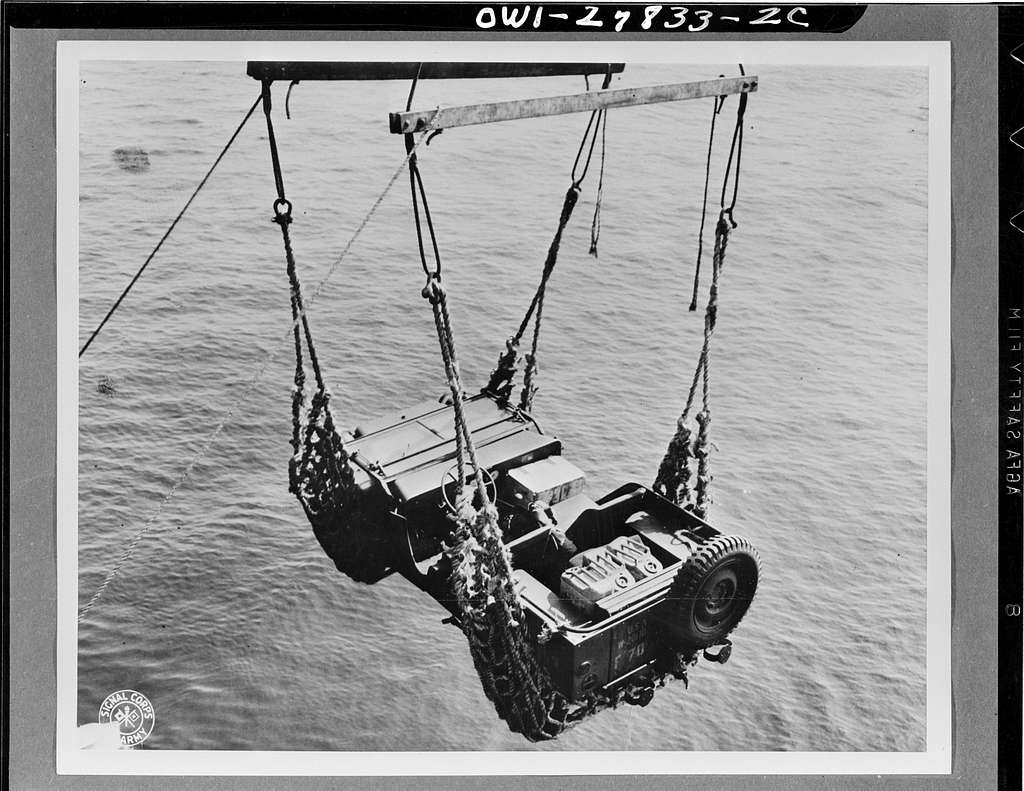
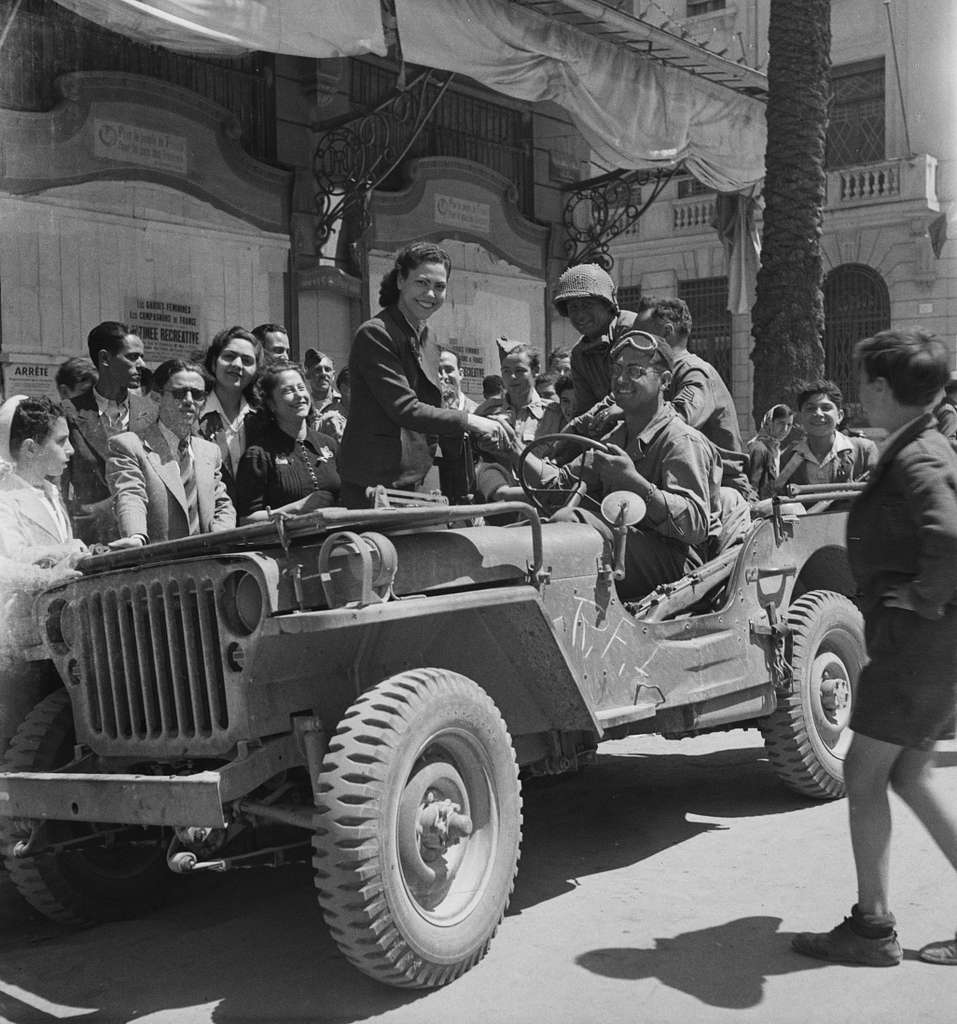
This is where the story turns into every small builder’s nightmare. Bantam followed the pilot with 70 preproduction BRC-60s and then about 1,350 production BRC-40s, many of which went overseas to Britain and the Soviet Union under Lend-Lease. But the Army worried that a company Bantam’s size couldn’t crank out vehicles at wartime volume, so the big contracts went to Willys-Overland and Ford. Their standardized Willys MB and Ford GPW became the jeeps that rolled through North Africa, Normandy and the Pacific by the hundreds of thousands.
The prototype itself didn’t get a hero’s retirement. According to Army records compiled by jeep historians, it was wrecked in a traffic accident early in 1941, hauled back to Butler and taken apart, with its parts likely recycled into production vehicles. Willys later went after the “Jeep” name as a trademark, and the brand that grew from it has changed corporate hands many times since. Bantam, meanwhile, spent the war building trailers and never made another car.
Why Jeep Enthusiasts Still Care
Because the formula Probst and Crist sketched in a few summer days never really went away. Short wheelbase, four-wheel drive, a flat-folding windshield, minimal overhangs and just enough body to keep the rain mostly off: that recipe carried the jeep home from the war into civilian CJs, and it still shapes today’s Wrangler, down to special editions like the 2027 Jeep Wrangler Smoky Mountain Edition. It’s also the template every rival keeps chasing, from Ford’s plans to give the Bronco family a truck bed to the Scout Traveler concept on 35-inch tires.
There’s also the collector angle. Bantam-built jeeps are among the rarest military vehicles of the era, which is why surviving BRC-40s draw crowds at shows and why Butler still celebrates its claim to fame with an annual Bantam Jeep festival. If you want to see how it all started in person, the Smithsonian’s oldest surviving original jeep, nicknamed “Gramps,” is on long-term loan to Pittsburgh’s Heinz History Center, and the National Museum of American History tells its story online. Even the name remains a friendly argument: the Smithsonian notes that “jeep” may come from “general purpose,” but nobody has ever pinned it down for certain.
Mostly, though, the Bantam pilot matters because it’s the ultimate underdog tale. A near-broke company, a borrowed engineer, an impossible deadline and a hand-built truck driven to its own audition. Not a bad origin story for the vehicle that taught America to go off-road. For more oddball milestones from this series, check out the day two Amphicars swam the English Channel.
Photo credits: U.S. Army and U.S. military photos via Wikimedia Commons; Nick Parrino / Office of War Information, Library of Congress. All images are in the public domain.
About the Author