Scout Motors just gave off-road fans something to argue about over the tailgate. At an event in Aspen, the revived American brand unveiled two wildly different takes on its upcoming electric Traveler SUV, and the gap between them says a lot about who Scout thinks will actually buy this truck.

The Trail-Ready Concept Is Built to Fight the Bronco and Wrangler
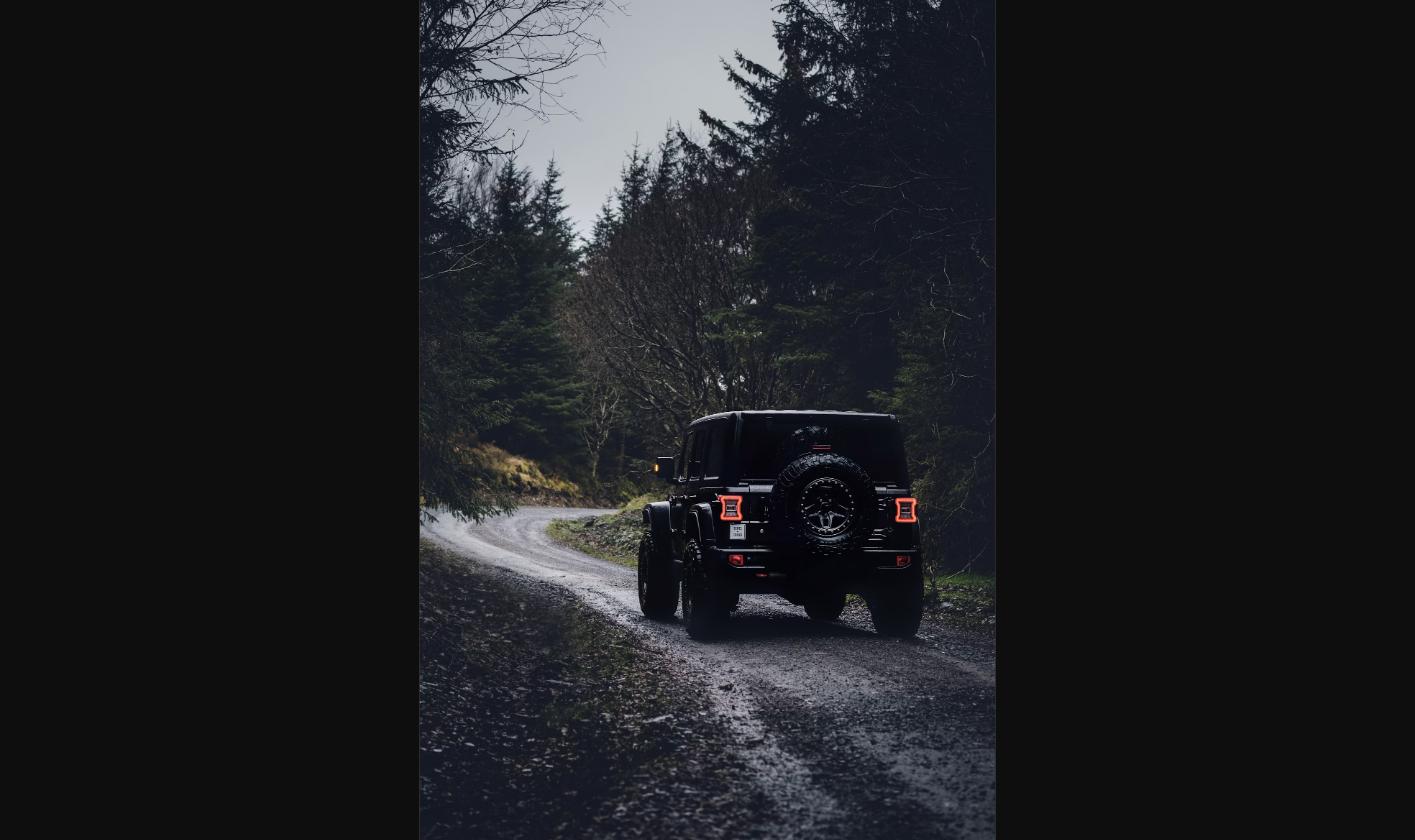
The first concept, simply called Trail-Ready, is the one that will make Bronco and Wrangler owners look twice. It rides on 18-inch black beadlock-style wheels wrapped in 35-inch off-road tires, backed up by steel front and rear bumpers, an integrated winch, rock rails, an elevated roof rack, trail lights, a rear tow hitch, and an exterior-mounted spare tire carrier. Nothing about that parts list is subtle, and that is the point.
The Mountainside Concept Takes the Opposite Approach
The second build, called Mountainside, wears the same 35-inch tire diameter but swaps to larger 22-inch Vault wheels, a dark Morning Dusk exterior, and a panoramic sunroof, while skipping the roof rack and rear spare entirely. Inside, Scout leans into what it calls quiet luxury, with semi-aniline leather, recycled walnut trim, and houndstooth-inspired fabric. Same nameplate, same tire size, completely different personality.
Neither Concept Is What You Will Actually Buy, Yet
Here is the part that matters more than the wheel sizes: Scout confirmed to Torque News that neither vehicle carries production engineering. A company spokesperson called both builds “show cars/concept cars” that are not driveable, explaining that Scout is using the runway before its Blythewood, South Carolina factory ramps up to test colors, builds, accessories, and materials against real buyer reaction. Customer deliveries are still expected around 2028, so the final Traveler spec sheet is genuinely still being written.
Why the Wheel and Tire Choice Actually Matters
This is not just a styling exercise. The 22-inch wheels on Mountainside leave less sidewall and read as more road-oriented, while the 18-inch wheels on Trail-Ready leave substantially more sidewall cushion, which is what actually protects a wheel from rocks and ruts on real trails. It is the same tradeoff other electric off-roaders have had to navigate, and Scout is smart to test both extremes before committing to tooling. It is a similar bet to the one GM made with its own electric off-roader concept, using a wild show vehicle to gauge demand before greenlighting a production version.
The Enthusiast Takeaway
Scout does not have decades of loyal buyers to fall back on, so turning these concepts into a public referendum is a genuinely smart move. If the trail-ready hardware, winch, rock rails, and roof rack draw the loudest reaction, expect that gear to show up on order sheets. That roof rack setup also plays directly into the overlanding crowd already debating rooftop tents versus trailers for weekend basecamp builds. Meanwhile, Scout is just one of several automakers racing to get electric SUVs to market, a trend that has not gone smoothly for everyone.
Which Traveler would you actually park in your driveway: the refined Mountainside built for daily comfort, or the Trail-Ready version built to disappear down a fire road with recovery gear on board? Scout is watching the reaction closely, and it may well decide the truck’s final shape.
Your Turn: Would you take the Scout Traveler off-road as-is, or start modifying right away? Let us know in the comments.
About the Author