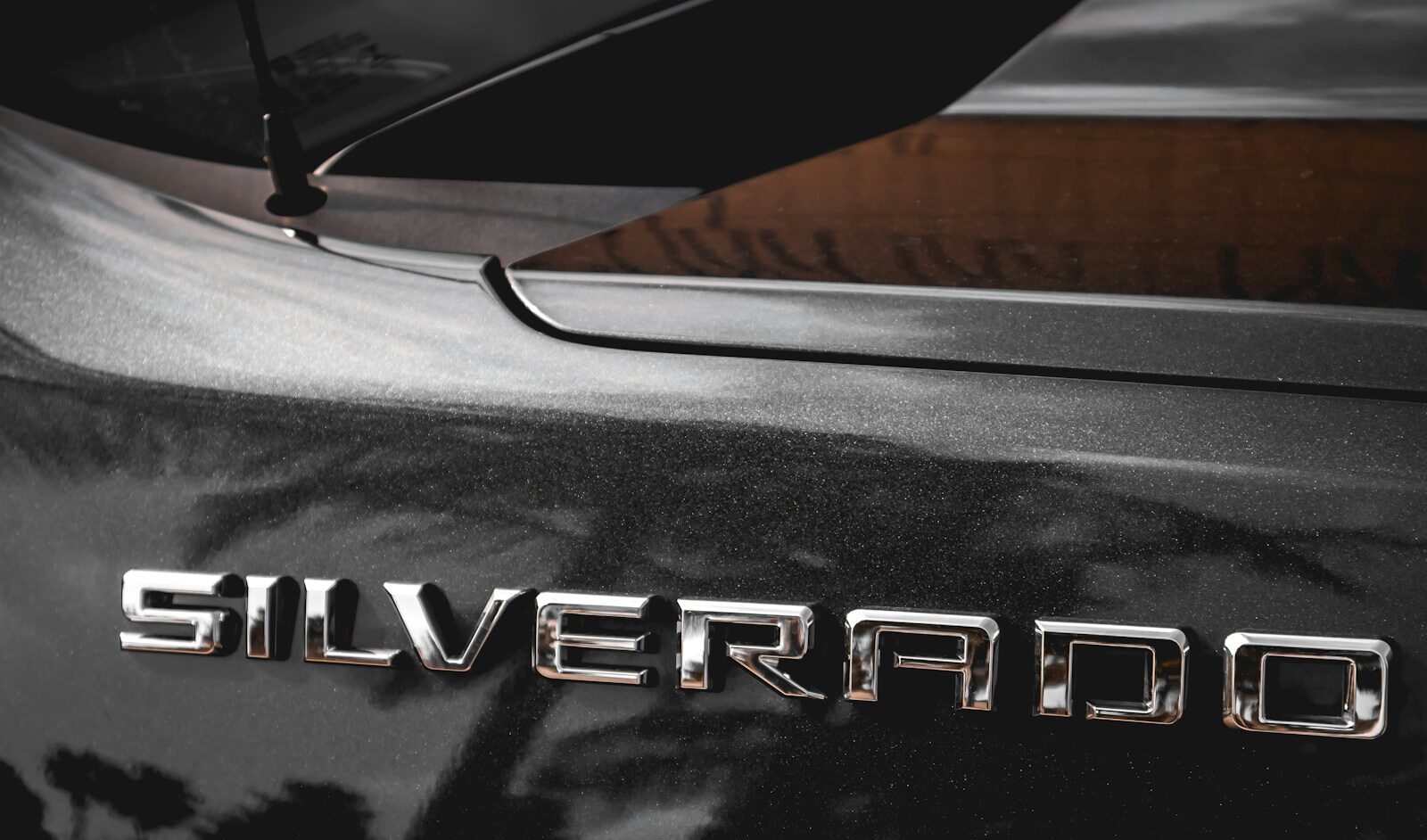
The 2027 Chevrolet Silverado 1500 will get GM's next-generation Small Block V8. (Photo by Laurenz Heymann / Pexels)
General Motors introduced the next generation of its Small Block V8 on September 17, and the pitch is straightforward: more power, more torque, and a redesigned lubrication system aimed squarely at the kind of oil-pressure inconsistency that has cost the outgoing generation a fortune in warranty claims.
Two engines are coming to the 2027 Chevrolet Silverado 1500 and GMC Sierra 1500. The L76 is a 5.7-liter (350 cubic inch) V8 rated at 402 horsepower and 428 lb-ft of torque, with a max tow rating of 13,700 pounds in the Silverado. The L78 is a 6.6-liter (400 cubic inch) V8 rated at 481 horsepower and 501 lb-ft of torque, which GM says makes it the most powerful naturally aspirated V8 available in a light-duty truck.
“These new V8 engines advance GM’s legendary Small Block architecture with greater capability, more advanced technology and the strength of GM’s manufacturing footprint behind them.” — Tom Bishop, GM chief engineer for Small Block engines
Both engines pair direct and port fuel injection, a continuously variable oil pump, an on-engine oil cooler, and reworked oil feed locations that GM says improve oil pressure consistency. Bore spacing holds at 4.40 inches, matching more than 70 years of Small Block architecture, while stroke grows and both compression and throttle-body diameters increase. GM is building the engines at Flint Engine Operations, with Tonawanda Propulsion and St. Catharines Propulsion supplying components, and says it’s targeting more than 1.5 million real-world validation miles before the engines start reaching dealers late this year.
There’s a heritage move buried in the paperwork, too. GM assigned the new V8s the RPO codes L76 and L78 — the same designations once used on a solid-lifter 327 in the mid-1960s Corvette and the 375-horsepower 396 big block that powered Chevelles and Novas through the muscle car era. Reusing them on a pair of truck engines isn’t an accident, and they’d fit right in with the rest of the greatest American engines ever built.
How It Stacks Up
GM didn’t name a competitor in its announcement, but the timing isn’t subtle. Ram brought its 5.7-liter HEMI V8 eTorque back to the 1500 lineup this year at 395 horsepower, according to Stellantis’s own release. GM’s smaller new V8, at 402 horsepower, edges that number out; the 481-horsepower L78 isn’t really in the same conversation. For the bigger picture on how the 2027 Silverado lines up against the rest of the segment, see our full-size truck comparison. It’s not just a domestic fight, either — Nissan just gave the 2027 Patrol a towing bump of its own.
The Dipstick Problem
Here’s the detail that actually changes how owners live with these trucks: GM has confirmed to reporters that neither the L76 nor the L78 will ship with a conventional oil dipstick. Oil level will be tracked electronically and shown in the instrument cluster alongside oil pressure and Oil Life Monitor data instead of checked by hand.
That’s a real shift for anyone who likes to pull the dipstick during a pre-trip walkaround, and it’s worth reviewing our guide to towing without wrecking anything now, since a habit like checking your oil by hand gets harder to keep on a truck that won’t let you look.
Why the Timing Is Awkward
GM is replacing its Small Block lineup at a genuinely uncomfortable moment. The current-generation L87 6.2-liter and L84 5.3-liter V8s are still the subject of a federal engineering analysis covering nearly a million 2021-2026 model year trucks and SUVs, opened after owners kept reporting engine failures even after the recall repair was performed.
GM’s remedy for that recall swapped the factory oil for a thicker spec on trucks that passed a diagnostic check, while trucks that failed the check got full engine replacements — which, oddly, went back in with the original thinner oil. Regulators have said on the record they’re not convinced the fix solved the underlying problem. Read against that backdrop, the new lubrication hardware on the L76 and L78 looks like more than a routine upgrade. It reads like GM addressing oil pressure consistency at the design stage this time, instead of with a dealer bulletin.
The outgoing engines aren’t going anywhere in the meantime. A Lubbock dealer just donated a fleet of the current V8s to a trade school so students can train on them — worth remembering, since those engines and their failure modes will be on the road for years after the Gen 6 replacement arrives.
What It Means for Buyers
If you’re cross-shopping a 2027 Silverado or Sierra, the L78’s 481 horsepower is a legitimate bragging-rights number, and the extra towing capacity on the L76 is a real, usable upgrade over the outgoing 5.3 and 6.2. Just go in knowing you’re buying a truck that manages its own oil level and won’t let you double-check its work with a rag and a flashlight — and that the V8 it replaces is still working through a very public reliability problem more than a year in. Order guides are expected to open ahead of the late-2026 on-sale date.
About the Author