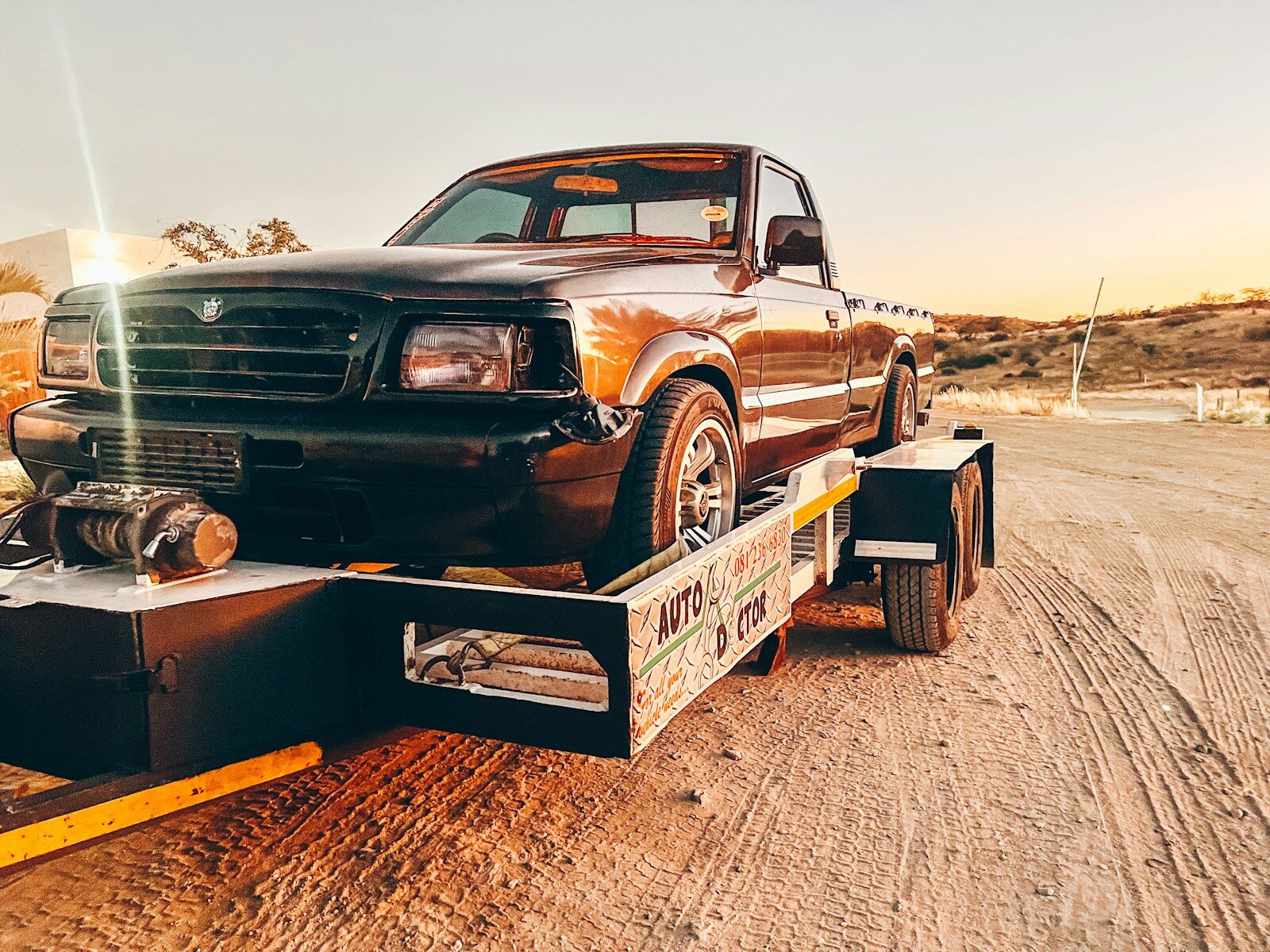
Plenty of owners want their truck to tow heavier, more confidently. While you can genuinely improve towing performance, it is critical to understand what actually helps and where the hard safety limits lie. This guide explains how to improve your truck’s towing capacity and stability the right way.
The Limits You Must Never Exceed
No aftermarket upgrade legally or safely raises your vehicle’s maximum tow rating, payload, or gross combined weight rating. These figures are engineered around the entire vehicle, including its frame, brakes, cooling, and drivetrain. Upgrades can improve how confidently and safely you tow within those limits, but exceeding them risks catastrophic failure and serious liability. Always know your numbers and respect them absolutely. Safe towing begins with accepting these hard boundaries.
Stability Upgrades That Actually Help
The single most effective improvement for many setups is a properly rated hitch paired with a weight-distribution system and sway control. These devices restore proper steering and braking balance with a heavy trailer, transforming a nervous, wandering rig into a stable, confident one. Combined with a properly adjusted brake controller, they address the stability and stopping issues that cause most towing accidents. These upgrades work within your existing rating, making the towing you already do safer rather than attempting to push beyond designed limits.
Protecting Your Drivetrain
Heavy towing generates enormous heat, the enemy of transmissions and engines. Auxiliary transmission and engine oil coolers help your drivetrain survive long grades and hot weather, extending its life under the strain of regular towing. Upgraded brakes improve stopping power and resist fade on long descents. These supporting upgrades do not increase capacity, but they dramatically improve durability and safety when towing near the upper end of your truck’s rating, protecting an expensive investment over the long haul.
The Foundation: Suspension and Tires
A truck that sags under load handles and stops poorly. Air bags, helper springs, and upgraded shocks reduce sag and improve control without the geometry complications of a full lift. Equally critical are tires rated for the load you carry, since underrated or underinflated tires are a common and dangerous failure point. Check your tire’s load range and inflation specs against your actual towing weight, not just the truck’s unloaded numbers.
Powertrain Realities
While tunes and intakes add power, towing capability is about the whole system, not just horsepower. This is part of why trucks like the V8-focused 2027 Silverado emphasize proven, durable drivetrains over peak numbers.
Tow Smart, Not Just Strong
The safest towing improvements enhance control, braking, cooling, and stability within your truck’s designed limits, never beyond them. This philosophy of capability through proven engineering rather than risky overreach is the same one driving trucks like the V8-focused 2027 Silverado. Upgrade the right systems, respect your ratings, maintain your equipment, and you will tow with far greater confidence and safety, turning your truck into the dependable workhorse it was built to be.
Towing Confidence Comes From Preparation
The drivers who tow safely and comfortably are not necessarily the ones with the biggest trucks, but the ones who have prepared thoughtfully. They know their numbers, use the right stability and braking equipment, maintain their tires and trailer diligently, and drive with patience and ample margins. Each sensible upgrade builds on the last to create a setup that feels planted and predictable rather than nerve-wracking. Approach towing with this mindset, respect the engineering limits, and you can confidently haul whatever your truck is rated to carry, transforming an intimidating task into a routine and even enjoyable part of ownership.
Join The Conversation
The hard rule here: NO upgrade legally raises your max tow rating — period. So be honest in the comments, have you ever knowingly towed over your truck’s rating and gotten away with it? Where’s the line between ‘a little over’ and genuinely dangerous? And which upgrade actually made the biggest difference to how your rig tows?
About the Author