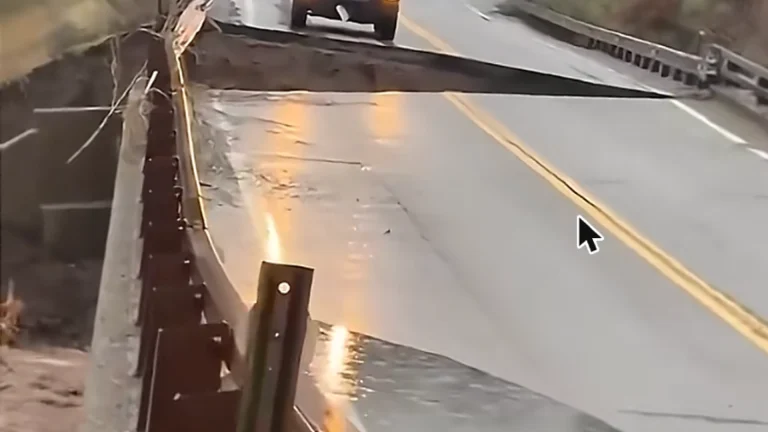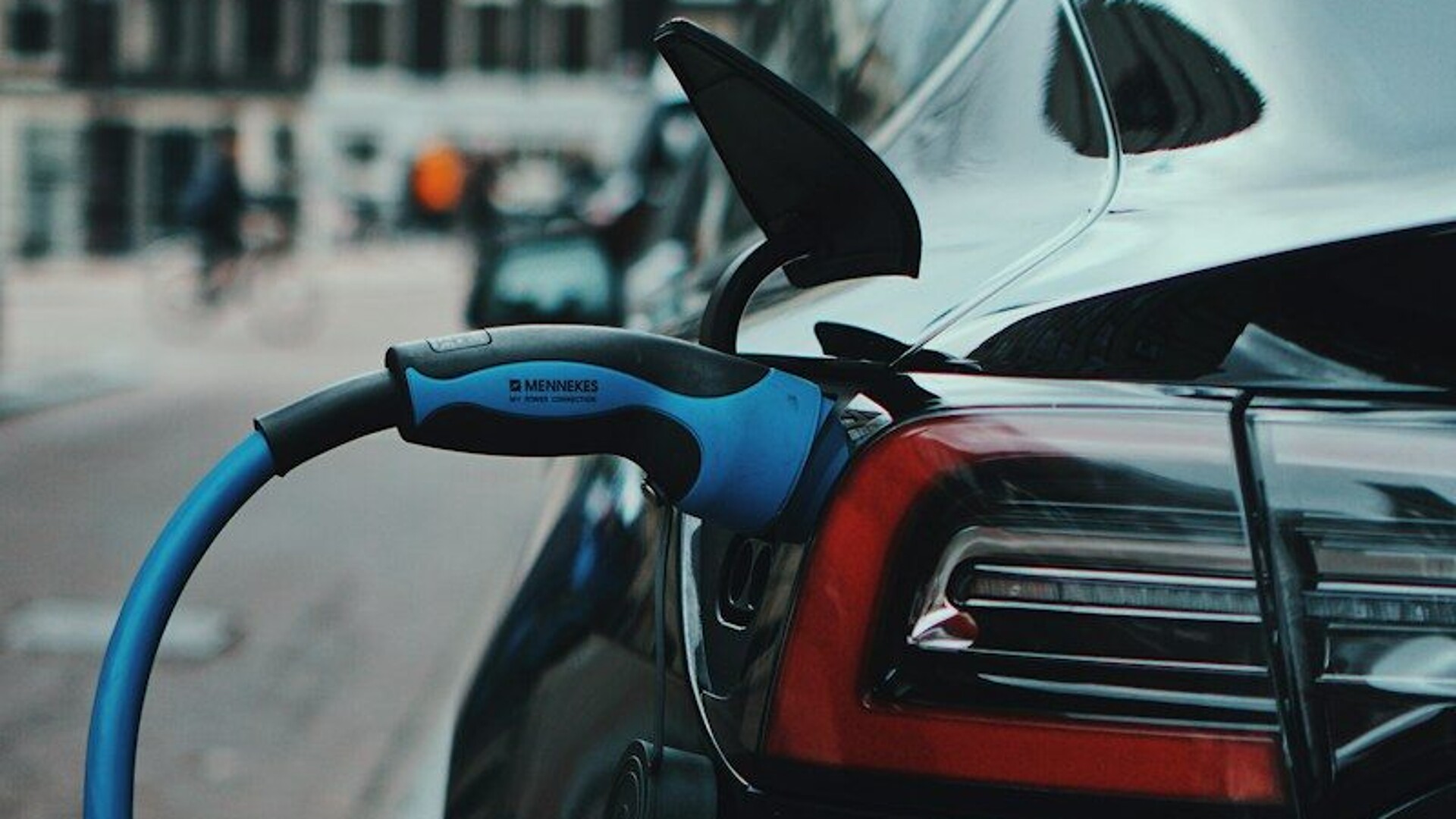
Sometime early on Sunday, October 25, the morning of the United States Grand Prix at Circuit of the Americas, a Tesla driver at an Austin Supercharger shifted into Drive with the handle still in the charge port. It didn’t go well. A Reddit user waiting at the next stall filmed the aftermath and posted the video to the TeslaLounge forum. The car pulls out of the stall, the connector breaks off, and the driver gets out a few seconds later to look at what he’s done.
Tesla built the feature to let that happen. The car wasn’t glitching. The question is how easy Tesla made it to ask for.
An escape hatch with a price tag
On October 1, Tesla’s charging team announced the feature on X: “Emergency Drive Away lets you shift into Drive while still plugged into a Supercharger.” It came with software update 2026.38.3, works only at U.S. Superchargers, and doesn’t support Model S and Model X cars built before 2021.
Related Articles
- BREAKING: Dodge Returns to NASCAR’s Cup Series at the 2027 Daytona 500
- Virginia Beach Dealer Co-Owner Pleaded Guilty to Straw-Buyer Scheme on 61 Navy Federal Loans, Got 74 Months and Owes $980,541.43
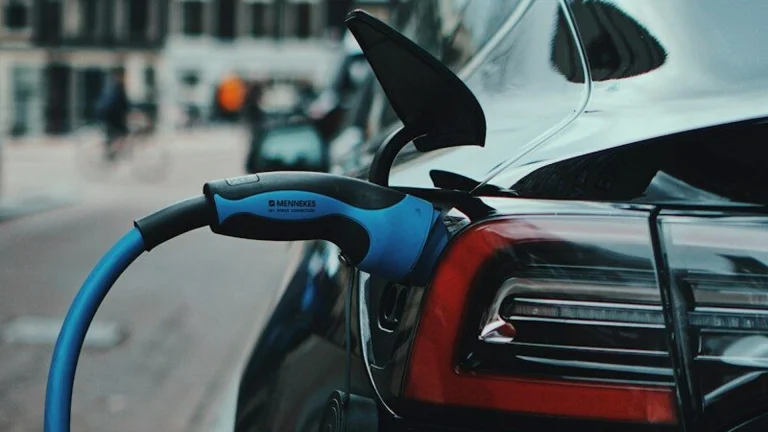
Until now, a Tesla on a Supercharger was physically and electronically tied to the stall. The handle locks into the port, and the car won’t leave Park until the session ends and the latch lets go. That interlock is why people almost never drag a cable down the road. It also means a driver stuck in a frightening situation has to get out of the car to unplug.
Emergency Drive Away gets around that in software. Shift out of Park while connected and a red warning comes up on the screen telling you that driving with the cable connected will damage the car and the Supercharger. Hold the brake, tap Activate, and you can drive away. That’s two inputs, both of which most owners already make dozens of times a week without thinking.
When owners asked about the bill, Tesla’s charging account replied: “Depends on the Supercharger, but electrical & civil cost can be up to $25k. Service visit mandatory for the chargeport.” It also warned: “Deliberate misuse will invoke additional penalties.” Tesla hasn’t said what those penalties are. It also hasn’t said who pays when someone uses the feature in a real emergency, or by accident.
Why the damage costs so much
Pay attention to the word “civil” in that reply. A Supercharger post isn’t a garden hose. Its cable is liquid-cooled to carry high current, and in Tesla’s own demo video the separated cable pours coolant onto the pavement. Rip it out and you may be paying for a hazmat cleanup, new cable and connector hardware, electrical inspection, and possibly concrete or conduit work if the pedestal takes the load. “Civil” is the language contractors use for the ground-level construction work.
On the car’s side, a mandatory service visit for the charge port means a technician checks the latch mechanism, the port’s pins, and whether any wiring behind the port got stressed. You won’t find that at a quick-lube place, so book it with Tesla Service and expect the car to be down for a while.
The insurance problem nobody budgeted for
This is the part Texas owners should read twice. The state’s minimum auto policy is 30/60/25 coverage, which includes $25,000 for property damage. A worst-case Supercharger repair would use up all of it, leaving nothing for the car’s own charge port. The car’s own damage falls under collision coverage, if you have it, and your deductible applies.
There’s also an open question of whether a claim counts as an “accident” at all. You can argue that a driver who gets an explicit warning and taps Activate has done something intentional. Tesla also records evidence: the company says short camera recordings are shared with it when the feature is triggered. That footage protects an owner fleeing a genuine threat, but it can just as easily show a bleary-eyed fan clicking through prompts at dawn. Nobody knows yet how insurers will read that footage, because nobody has tested it.
The exit opens too easily
To be fair to Tesla, the reason for the feature is legitimate. Being stuck in a car that’s tethered to a post while someone threatening walks toward you is a real risk, and adding a way out was the right decision. The weak spot is the friction. A screen tap and a brake press sit far too close to the muscle memory of normal driving. An airplane’s emergency exit opens with an obvious, deliberate pull. Tesla’s version comes up in a dialog box you could dismiss without reading.
Related Articles
- Off-Duty N.J. Police Captain Knocked Down Trying to Stop Two Men Backing His Dad’s Infiniti Out of a Driveway, Then the Car Drives Off
- Australian Builder Spent 2,000-Plus Hours Cramming a Twin-Turbo 427 V8 Into the Front of a Porsche 911, and It’s Joining a Stunt Fleet
Tesla could make it harder to trigger by accident without slowing anyone down who actually needs it. A full-screen takeover, a loud chime, a hold-to-confirm slider, or a second prompt only when the car detects no other unusual activity would all help. Tesla can tune the feature over the air, so the fix could arrive as quickly as the feature itself did.
What owners should do now
- Read the red screen. All of it. Before you tap anything.
- Unplug before you get in, especially on a tired race-weekend morning.
- Check your property damage limit. If you have Texas-minimum coverage and drive an EV that charges in public, raising it costs little next to the risk.
- If it happens to you, take your own photos, keep the timestamp, and call Tesla before your insurer finds out from someone else.
As of this writing, Tesla hasn’t said whether the Austin driver will get a bill.
Would you want a one-tap way out of a plugged-in car if using it by mistake could cost up to $25,000?
About the Author