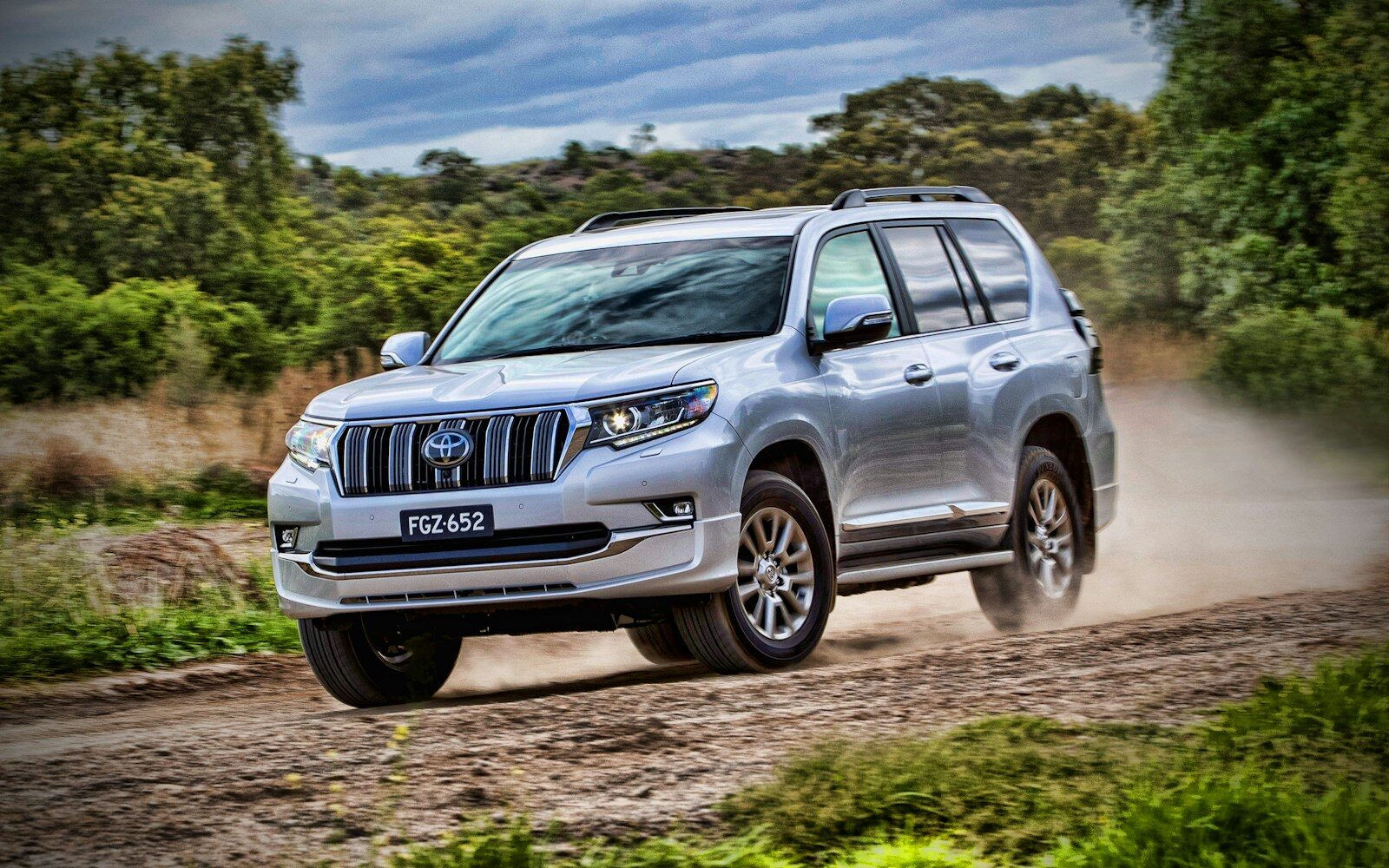
Nissan North America is recalling 168,149 of its biggest three-row SUVs, and nobody’s chasing a cracked bracket or a leaking hose this time. The problem is a number. The Gross Axle Weight Rating printed on the federal certification label inside the driver’s door of certain Armada, Infiniti QX56, and Infiniti QX80 models is wrong, and it’s wrong in the direction that matters: it overstates how much weight the axle can actually carry.
The recall was filed with NHTSA on July 15, 2026 as campaign number 26V455000. It covers 2020-2026 Armada, 2011-2013 QX56, and 2014-2027 QX80 models, but only those built with 22-inch wheels. Nissan and Infiniti sell these three as badge-engineered siblings off the same body-on-frame platform, and the big wheels tend to land on the higher trims, the same trims Nissan markets around a maximum towing capacity of 8,500 pounds. So this recall lands squarely on the SUVs most likely to actually have something heavy hooked to the back.
A wrong GAWR is a bigger deal than a typo. The certification label isn’t decoration; it’s the number engineers calculated after testing the axle, bearings, suspension, and tires together as a system, and it represents the hard ceiling for how much weight that axle can carry before something fails. Owners are supposed to use it, alongside curb weight and payload figures, to keep passengers, cargo, and trailer tongue weight under a safe limit. Tongue weight is the part people forget about: a loaded travel trailer or boat can transfer several hundred pounds directly onto the tow vehicle’s rear axle, stacking on top of whatever the third row and cargo area are already carrying. If the label overstates what the axle can handle, an owner doing everything right, reading the sticker and staying under the printed number, can still end up mechanically overloaded without ever knowing it.
Nissan’s own filing spells out the consequence in regulator-speak: an overloaded vehicle increases the risk of a crash, and the affected trucks technically violate Federal Motor Vehicle Safety Standard 110, the rule governing tire and rim selection specifically because overloaded tires are how axle failures and blowouts start. It’s a slower-motion version of the same physics behind Ram’s recall of 12,736 trucks that could outrun their own tires’ speed rating, or the wheel failures that got Tesla’s base Cybertruck recalled: paperwork and hardware disagreeing about what the tires and wheels can actually survive.
The fix here is unusually low-drama. There’s no part swap, no software update, and no lift required. Nissan is having dealers install corrected labels free of charge and also mailing replacement labels directly to registered owners, so plenty of people will resolve this by peeling off a sticker and pressing on a new one. Nissan is tracking the campaign internally as R26B1 and R26B2, and owner notification letters are expected to go out September 4, 2026. VINs tied to this recall became searchable on NHTSA’s site on July 16, 2026, so anyone curious doesn’t have to wait for the mailer. Nissan’s customer service line for the campaign is 1-800-867-7669.
None of that means owners should shrug it off until the letter shows up. If you’re driving an affected Armada, QX56, or QX80 with the 22-inch wheel package and you regularly tow anything sizable, the safer move until the new label arrives is to be conservative about your real-world numbers rather than trusting the sticker currently on your door jamb. Our breakdown of how to actually calculate safe tongue weight and axle loading is worth a read regardless of what your certification label says, and if you’re shopping the used market for a full-size tow rig instead, our guide to the most reliable used trucks worth buying in 2026 is a decent place to start cross-shopping alternatives.
It’s also a reminder that the word recall doesn’t automatically mean something is about to snap. Sometimes it means a company caught its own paperwork error and is legally obligated to correct it before it turns into a hardware problem down the road, the same instinct that pushed Land Rover to pause sales across three model lines over an airbag question mark rather than wait for a field failure. Nissan’s smaller trucks have had their own bumpy stretch lately too, between recalls and lineup decisions that haven’t always landed with fans. Either way, 168,149 is a real number attached to real SUVs currently towing real trailers, and it’s worth five minutes with your VIN.
About the Author