Stock car racing can look like cars simply turning left for hours, but beneath the surface is one of the most strategic and dramatic sports in America. This guide explains NASCAR for new fans, covering how races work, how champions are crowned, and what to watch for so your first race makes sense and hooks you in.
What Makes NASCAR Different
Unlike open-wheel racing, NASCAR uses heavy stock cars built to a tight rulebook, which keeps the field close and the racing door-to-door. The result is constant contact, drafting battles, and finishes decided by inches rather than minutes.
How a Race Weekend Works
A typical weekend includes practice, qualifying to set the starting order, and the main event. Races are divided into stages that award points and reset strategy, adding drama throughout rather than only at the finish.
The Playoff Format
NASCAR’s championship uses a playoff system where a field of drivers is gradually eliminated over a series of races, culminating in a winner-take-all finale. Winning races during the season is the surest path in, which rewards aggression over consistency alone.
Drafting and Strategy
On big tracks, cars draft to slingshot past one another, making cooperation and timing crucial. Pit strategy, tire choices, and fuel windows decide as many races as raw speed. The chess match is half the appeal once you learn to see it.
The Different Types of Tracks
NASCAR races on a remarkable variety of circuits, and each demands different skills. Superspeedways like the biggest ovals produce pack racing and dramatic drafting battles, short tracks deliver bumping and tempers, and road courses test a different kind of car control entirely. Intermediate tracks reward aerodynamic balance and tire management. Understanding which track type you are watching helps you appreciate why strategies and outcomes vary so dramatically week to week.
The Teams Behind the Drivers
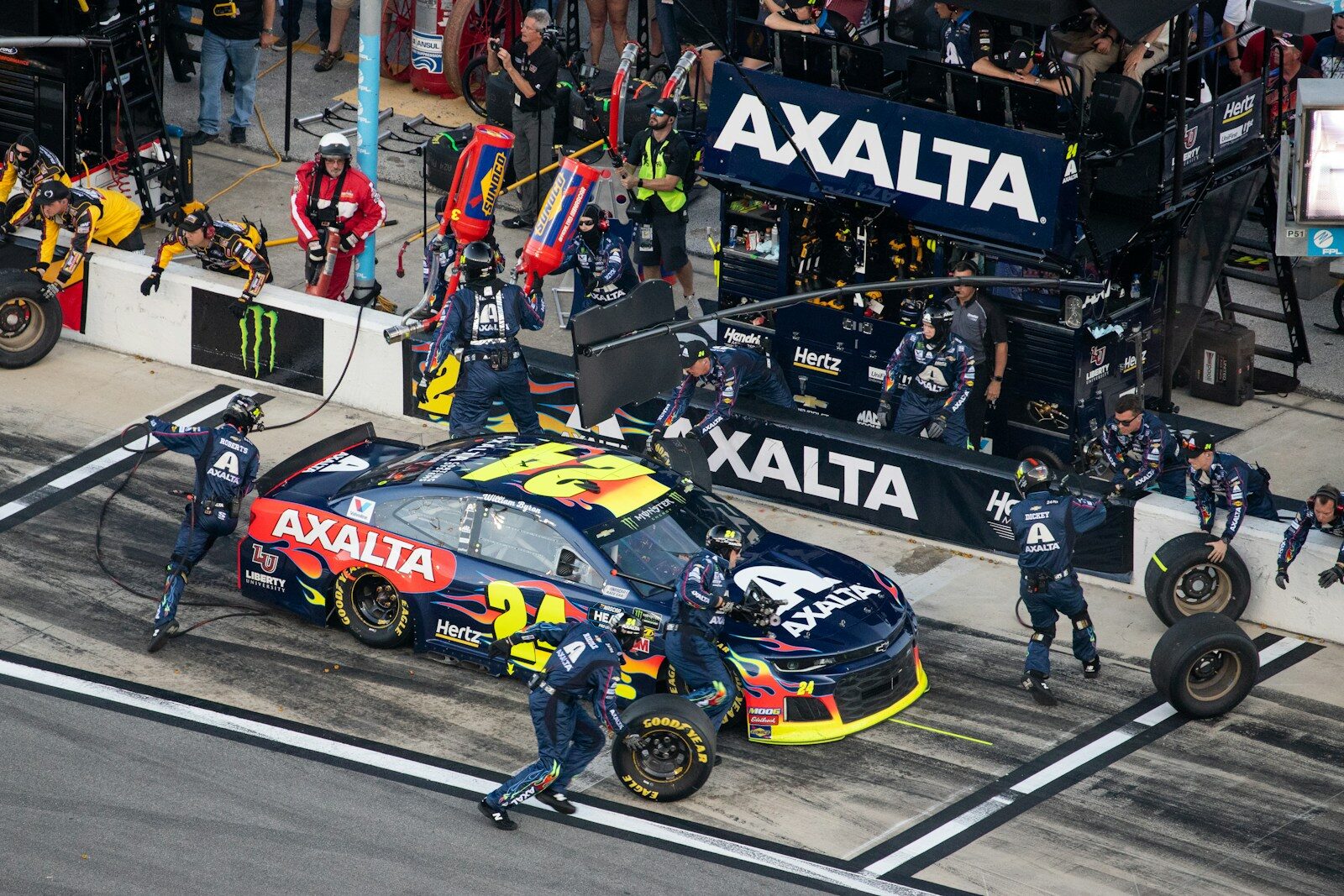
Behind every driver is a team of engineers, mechanics, and a crew chief making split-second strategic calls. Pit stops, executed in seconds, can win or lose races, and the crew chief’s decisions on tires, fuel, and adjustments are as important as the driver’s talent. NASCAR is ultimately a team sport, and the best organizations combine driver skill with engineering excellence and flawless execution under pressure.
The Human Drama
Beyond the strategy and machinery, NASCAR thrives on human drama. Rivalries simmer across seasons, underdogs occasionally stun the field, and the elimination playoff format guarantees tension that builds to a winner-take-all finale. The personalities, the families with multi-generational racing legacies, and the occasional on-track feuds give fans endless stories to follow. This blend of high-speed competition and compelling human narrative is what transforms casual viewers into lifelong fans, and it is why the sport has remained a fixture of American culture for generations. Once you connect with a driver and a storyline, the racing becomes personal, and that emotional investment is the real hook.
How NASCAR Connects to Car Culture
Stock car racing grew directly from American car culture and remains deeply tied to it. The sport celebrates the same V8 power and mechanical passion that define the classic muscle cars and legendary American engines we cover constantly, from classic American muscle to the rare models enthusiasts crave. For many fans, following NASCAR is an extension of a broader love of cars, and the sport’s history is woven into the fabric of American automotive identity.
Becoming a Real Fan
The leap from confused newcomer to genuine fan happens faster than most expect. Watch a few full races, learn the stage format, pay attention to pit strategy, and adopt a driver to root for. The NASCAR season runs much of the year, building from the season-opening showcase through the regular season and into the playoffs, and following storylines, rivalries, and the championship battle across that stretch deepens your engagement enormously. Within a handful of weekends, the patterns click into place and what once looked like cars endlessly turning left reveals itself as one of the most strategic and dramatic sports in America.
About the Author