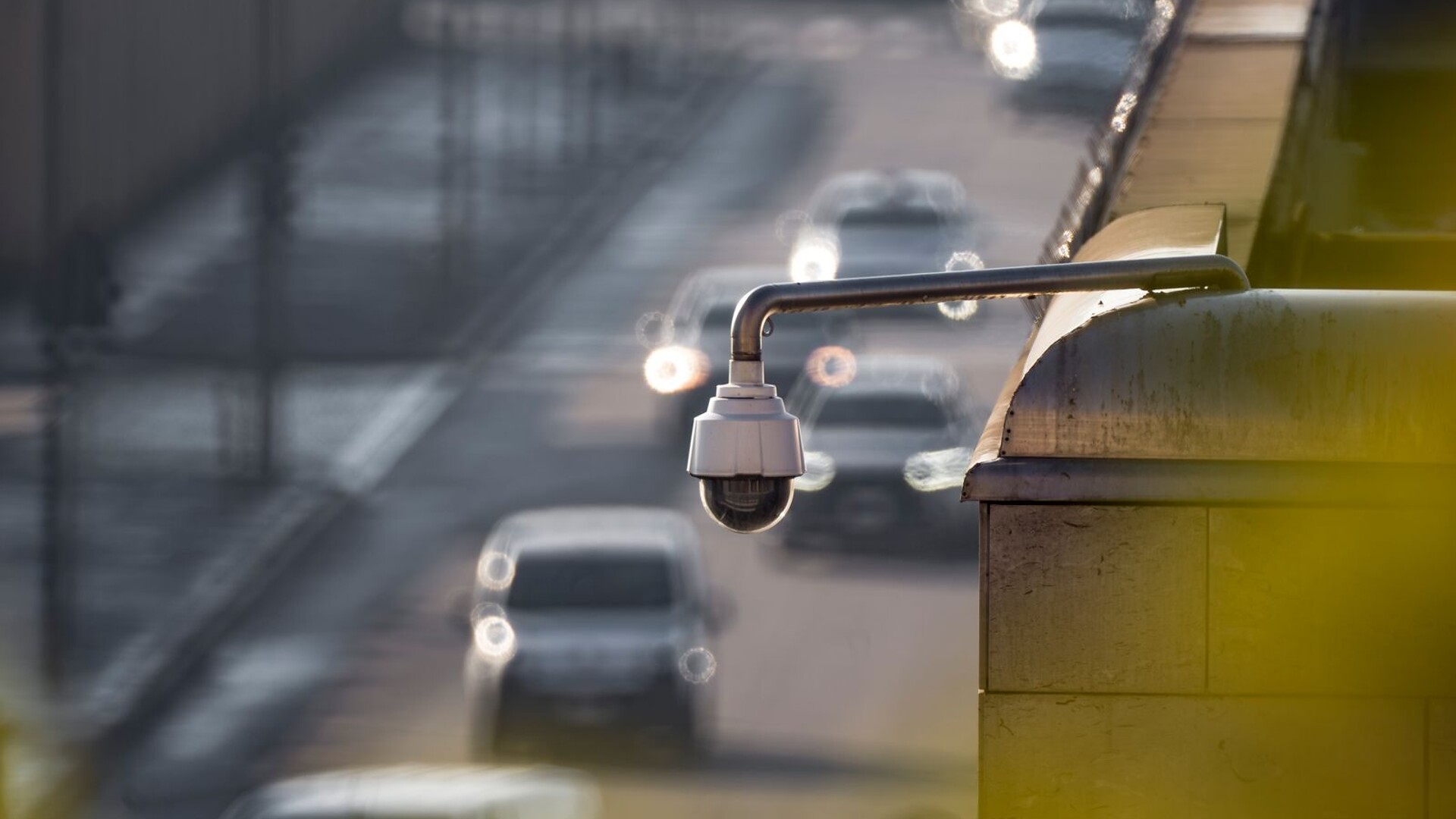
A traffic surveillance camera mounted above a highway. Photo: Tommy Picone/Pexels
League City, Texas, voters told their police department to stop using 55 Flock license plate cameras on Tuesday, casting 25,538 votes against Proposition A and 21,744 for it, according to unofficial results posted by the city. That works out to 54.01% to 45.99%. Mayor Nick Long did not wait for the election to be certified before asking staff to cover the cameras.
What the ballot asked, and what actually binds the city
Proposition A asked voters to state a nonbinding preference on whether the League City Police Department should keep using automated license plate readers at fixed locations on public roads. The Texas Tribune reported that the cameras log plate numbers along with make, model, paint color and details such as dents and bumper stickers on every passing vehicle, and called it the first referendum of its kind in Texas.
The vote itself carries no legal force. The force comes from a separate resolution the City Council approved on Oct. 13, which, as Click2Houston reported, directs staff to remove or cover the cameras within 72 hours after the official canvass. The city says the canvass is set for the Nov. 17 council meeting, so by my count the deadline lands around Nov. 20. Cameras that cannot come down right away are to be covered so they stop collecting plate images. The same resolution tells staff to review the Flock contracts, find other uses for the money, and deal with privately owned plate readers in city rights-of-way.
That last item reaches past City Hall. According to the city’s statement as reported by Fox 26, the city manager is to identify cameras installed by or for homeowners’ associations in public rights-of-way and notify the owners that they must be removed.
Bagging, the 30-day purge and a $120,000 contract
Long asked staff to cover the fixed cameras immediately, and the city said a covered camera can no longer collect data or share it with outside agencies. Footage already collected is purged from the police system after 30 days unless it has been kept as evidence in an active case, the city said. So the cameras go dark right away, but pictures taken before they were covered stay on the system for up to a month, and longer if a case claims them.
The money is slower. The Daily News in Galveston County reported that the city pays Flock Safety roughly $120,000 a year, and that City Manager John Baumgartner has been directed to review the agreements. The city’s statement lists amendment, partial termination, nonrenewal or other changes as options, with remaining contractual obligations paid before any leftover money is steered to other public safety spending. The reports I reviewed do not give the contract’s end date or its termination terms, so how much League City owes for cameras that are bagged is not yet public.
The Daily News quoted Long as saying, “There’s no disagreement that they work,” and “there’s also no disagreement that there’s serious privacy concerns.” Police Chief Cliff Woitena said in October that any savings would first go back to the city’s general budget and that no alternative use had been planned, while Long said the $120,000 would stay in the police budget. Those two statements have not been reconciled in the coverage I found. Flock Safety’s response was not in any of the reports I reviewed.
Other cities are voting too
The Tribune estimated Texas had about 13,000 Flock cameras in late August, a figure that has been shrinking as cities and counties end their contracts. Kyle and Laredo will hold their own nonbinding votes next May. In York, Maine, voters on the same day approved a citizen-petition ordinance by 5,386 to 2,043, about 72.5% in favor by Press Herald figures, that bars town agencies from using automated plate readers. York’s police department had already ended its Flock contract in September and removed at least four cameras after a petition with 115 signatures.
Backfire News has covered the other side of this ledger, including a Georgia investigator accused of misusing Flock cameras, and the same question of who pays and who is watched runs through our reporting on a Los Angeles speed camera pilot. The mayor conceded the cameras work, and 54% of the people who voted still chose to turn them off.
What happens next in League City
The council canvasses the results on Nov. 17, the 72-hour clock starts then, and the city manager’s contract review follows. For a driver on League City roads, that means fixed police plate cameras are expected to be gone or covered within days. Cameras owned by homeowners’ associations in the right-of-way are next in line for removal notices.
If a camera system works, as the mayor said no one disputes, should voters be able to shut it off over privacy, or should a city keep it until someone shows it has been abused?
About the Author