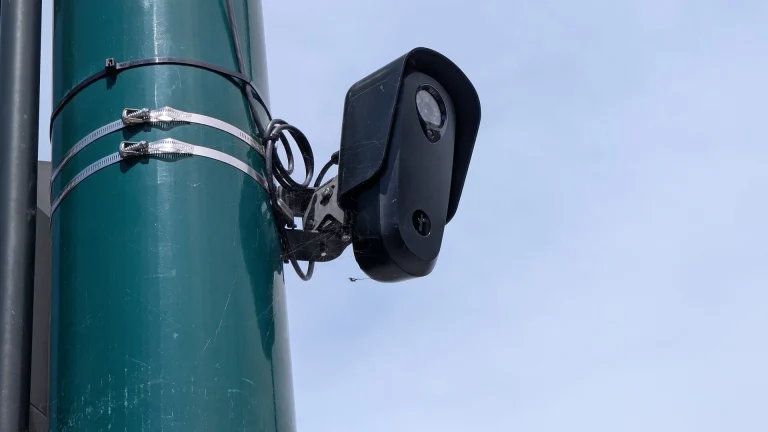
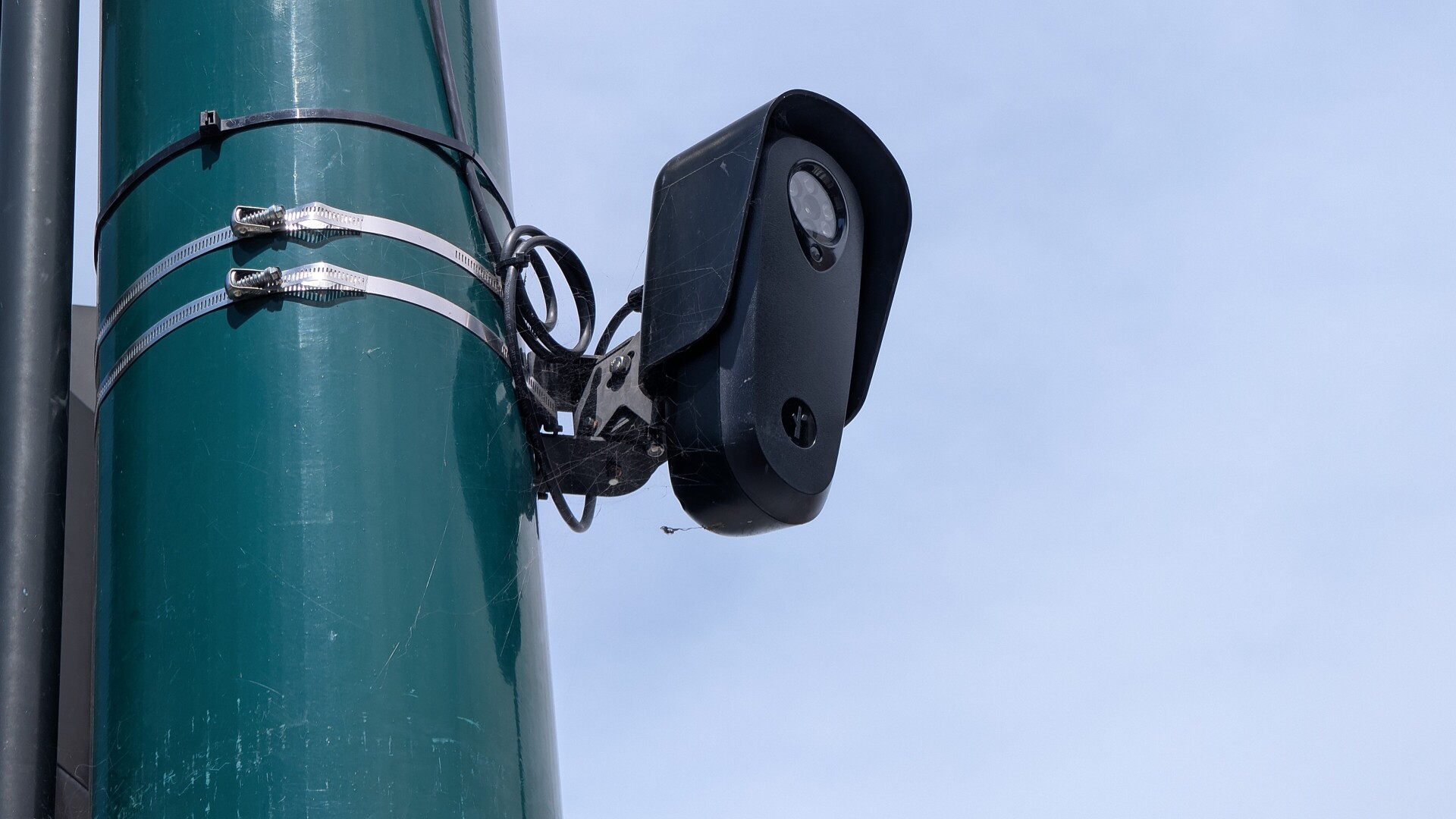
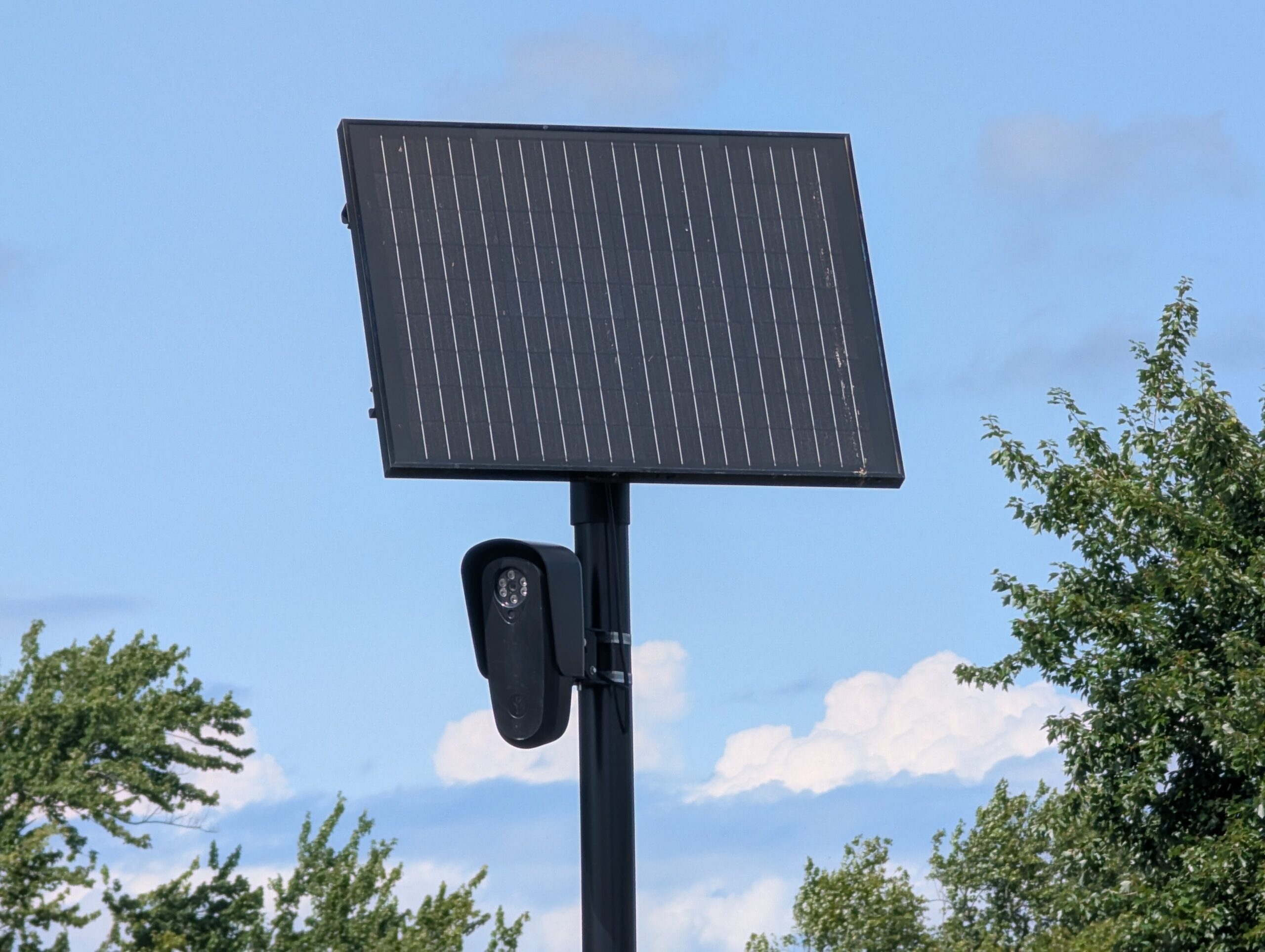
A Flock Safety license plate camera. Photo: RailTypes via Wikimedia Commons (CC0)
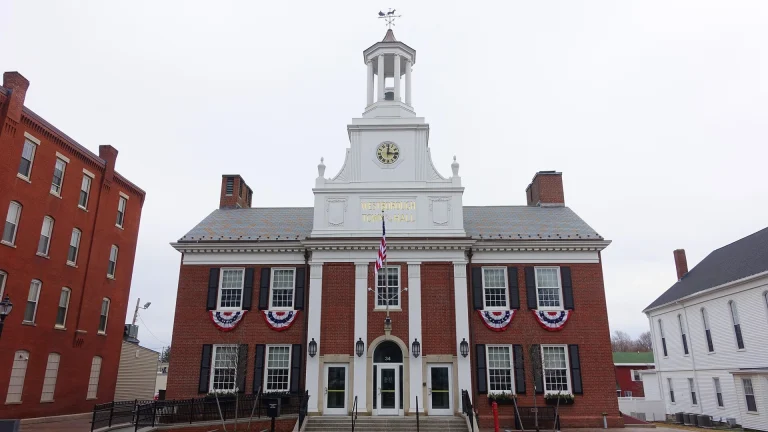
St. Petersburg, Florida, police say Officer Jonathan Reisz used the city’s Flock license plate cameras and two other police databases in June to look up a woman he had been in a relationship with, a case that tracks closely with the Milwaukee officer who resigned after running a woman’s plate 179 times. Reisz resigned in September, and prosecutors declined to charge him. What remains is a state review of whether he can work as a police officer in Florida again, and whatever the woman decides to do on her own.
The timeline comes from the St. Petersburg Police Department’s news release posted Nov. 19. An internal audit on Aug. 28 found Reisz had accessed DAVID, ILeads and Flock “multiple times during June to find information about a woman.” DAVID is the Driver and Vehicle Information Database kept by the Florida Department of Highway Safety and Motor Vehicles, and WTSP described the third system as a records management system. Investigators interviewed the woman, and the department says she declined to press criminal charges because she had been in a relationship with him.
Reisz, a patrol officer sworn in in March 2021, resigned Sept. 8. The Pinellas-Pasco State Attorney’s Office issued a no-file letter Oct. 29. On Nov. 19, a Command Review Board convened by Chief Anthony Holloway sustained two findings under the city’s personnel rules: improper procedures (Group III, #1) and unlawful conduct (Group III, #26). The department says he would have been fired had he not resigned, and it is forwarding the results to the Florida Department of Law Enforcement. The release doesn’t say how many searches he ran or why prosecutors declined, and it includes no response from Reisz.
Pinellas prosecutors say Florida law doesn’t cover this conduct
A no-file letter is common when a victim won’t cooperate. The day after Reisz’s, on Oct. 30, the same office dropped a much larger plate-reader case against a former Pinellas County sheriff’s deputy, and the reason it gave applies to any officer with a login.
Sheriff Bob Gualtieri announced Karl Gwynne’s arrest in September. According to the sheriff, WFLA reported, Gwynne ran 381 searches on one license plate, 207 of them off duty. The car belonged to a 35-year-old woman he had arrested in 2010 and reconnected with on social media in 2024, and the sheriff said Gwynne first claimed the searches were official before admitting she had turned down his romantic advances. He was charged with official misconduct and four counts of accessing a computer network or electronic device without authority. Then the State Attorney’s Office for the Sixth Judicial Circuit filed a No Information, which ended the case. State Attorney Bruce Bartlett wrote in the filing that Florida statutes “do not address the misconduct reported,” WUSF reported. WFLA reported that the office will ask the Legislature to fix the problem in the 2027 session.
Gualtieri hasn’t accepted that reading. He cited “disagreements about interpreting the elements of the statute,” according to WFLA, and said a No Information doesn’t prevent prosecutors from filing charges later. His office has kept making arrests: a third former deputy, Ronald Scott, was arrested in early November on four felony charges of accessing information about his ex-wife, her boyfriend and others, WUSF reported. Those are accusations, and Scott’s case is pending.
Why a valid password makes these cases hard to charge
Florida’s computer crime law, section 815.06, makes it a third-degree felony to willfully and knowingly access a computer network “without authorization or exceeding authorization.” Reisz and Gwynne had working logins and permission to use these systems. The legal fight is over whether looking up a woman for personal reasons turns an authorized user into an unauthorized one.
The U.S. Supreme Court took up that question for the federal hacking law in 2021, on facts that look a lot like these. In Van Buren v. United States, Nathan Van Buren, a Georgia police sergeant, used his patrol-car computer to run a license plate for a man who paid him about $5,000 in an FBI sting. The Court ruled 6-3 that he had not exceeded authorized access under the Computer Fraud and Abuse Act. He was allowed to pull plate records, and the majority read the law as covering people who get into files or databases they’re barred from, not authorized users with bad motives.
Florida’s statute isn’t a copy of the federal one. It also covers access where “the manner of use exceeds authorization,” language that on its face reaches further than the federal wording the justices read. The public reporting on Bartlett’s filing doesn’t say whether his office relied on Van Buren. The practical result in Pinellas is the same, though. For now, an officer who uses a system he’s allowed to log into for personal reasons risks his job, and the county’s prosecutor has said the statutes don’t make it a crime.
Reisz’s certification and a federal privacy suit are still open
Reisz’s case now goes to FDLE’s Criminal Justice Standards and Training Commission, which certifies Florida officers. Its moral character rule lists “Misuse of Electronic Database” as a violation: willfully accessing a database entrusted to an officer to get restricted information for an illegitimate or personal purpose, with bad intent. One kind of evidence the rule says can show that intent is a pattern of improper accesses, and SPPD says Reisz searched multiple times during June. FOX 13 reported that officials haven’t said what FDLE might do with his certification.
The woman has a remedy that doesn’t depend on any prosecutor. The federal Driver’s Privacy Protection Act lets a person sue anyone who knowingly obtains or uses personal information from a motor vehicle record for an impermissible purpose. A federal court can award actual damages of at least $2,500 in liquidated damages, punitive damages for willful or reckless violations, and attorney’s fees. DAVID holds those records. Flock is different. The law defines a motor vehicle record as one tied to a permit, title, registration or ID card issued by a department of motor vehicles, and a roadside camera’s photo of a plate is not one of those. Of the three systems SPPD says Reisz searched, the federal privacy law’s text covers one.
St. Pete’s audit caught the searches about two months later
Holloway has spent much of this year defending the cameras. The department has run Flock cameras since 2021 and operates 50 of them across the city, FOX 13 reported. Under SPPD’s policy, the data is kept for 30 days and officers have to enter a valid report number and a reason before searching, and Holloway told Bay News 9 in August that the department runs “random audits to see who ran what on what person.”
Those controls produced this case, and the dates show how slowly. The searches happened in June, and the audit flagged them on Aug. 28. Under the department’s 30-day retention policy, the camera captures from June should have been deleted by then, but the record of who searched was still there. A required reason field also depends on the officer typing something true, and the Pinellas sheriff’s own account of Gwynne’s case shows a deputy offering an official reason first.
Reisz is the second St. Petersburg officer this year to leave over police databases. In February, the department’s review board found that Officer Brandon Klaiber, accused of sharing confidential information from police databases, would have been fired had he not resigned. Pinellas deputies had arrested Klaiber in April 2025 on two counts of offenses against intellectual property, according to that release, which doesn’t give the outcome of the criminal case.
Other states have charged officers in similar cases. In North Carolina, a fired Harnett County detective was indicted over Flock use, and in Georgia, an investigator accused of misusing Flock for about six months resigned and then surrendered. Florida’s state government has gone after the cameras instead. The Florida Department of Transportation revoked local agencies’ permits for plate readers on state highway rights-of-way and set a Sept. 30 removal deadline, the Florida Phoenix reported. That order did not affect cameras on city streets.
What happens next for Reisz and Florida drivers
FDLE’s commission will decide whether Reisz keeps his certification. The State Attorney’s Office plans to bring the gap in the law to legislators in 2027. Until a bill passes, or prosecutors move ahead on Scott or refile on Gwynne, officers in Pinellas County who misuse plate readers face consequences from their employers and the state licensing commission, not criminal court.
Florida drivers do have one tool in state law. Section 316.0777 makes plate-reader images and data confidential, but it allows an agency to release information about a plate registered to an individual to that individual, unless it is active criminal intelligence or investigative information. The statute covers the images and data the cameras collect. It says nothing about the search logs that show which officer looked, and those logs are what caught Reisz.
Should Florida make it a crime for an officer to run someone through Flock or DAVID for personal reasons, or is losing the job and the certification punishment enough?
About the Author