A Milwaukee police officer resigned after investigators discovered he used automated license plate reader technology to track a woman he was dating nearly 180 times in just two months. What started as one disturbing misconduct case is now feeding a much larger debate over how surveillance technology aimed at vehicles is being quietly abused across the country.
How the Case Came to Light
License plate reader systems were sold to the public as tools to catch stolen cars, locate dangerous suspects, and help law enforcement solve serious crimes. Instead, multiple documented cases now show officers using those same systems to monitor ex-girlfriends, stalk romantic partners, and track private citizens with alarming frequency. The Milwaukee case became public after the woman checked a public website called “Have I Been Flocked,” a tool that lets people see whether automated license plate readers have scanned their vehicles. What she found exposed just how aggressively one officer had been monitoring her movements — according to reported details, the officer ran her license plate 179 times over a two-month period before resigning from the department.
That number matters. This wasn’t a one-time misuse or an accidental search buried in a massive database. Investigators determined repeated lookups were taking place over weeks, with each search reportedly logged as part of an investigation despite allegedly having no legitimate law enforcement purpose tied to criminal activity. That’s where this stops looking like isolated misconduct and starts raising serious questions about the systems themselves.
Technology Built for Crime Fighting, Used for Personal Surveillance
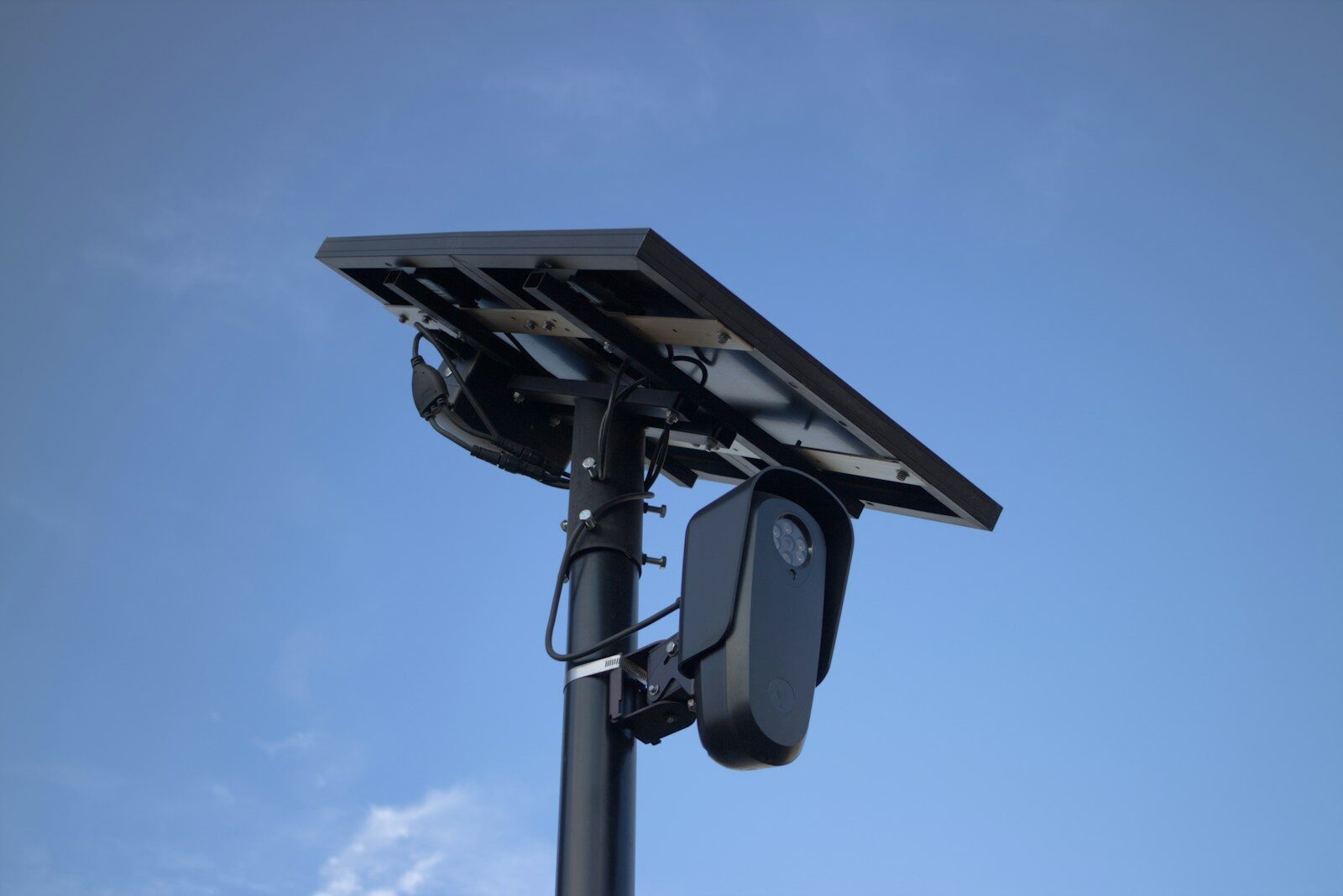
Automated license plate readers have expanded rapidly across the United States over the past decade. Mounted on police cruisers, traffic poles, bridges, and roadways, the cameras capture license plate data from passing vehicles and store information tied to time and location. Police agencies argue the technology is essential for locating stolen vehicles, tracking wanted suspects, and investigating criminal activity, but critics have warned for years that these systems create enormous surveillance power with very little public oversight. This Milwaukee case just handed those critics more evidence — the Institute for Justice has documented at least 14 separate cases involving officers accused of abusing license plate reader databases to stalk or monitor people for personal reasons.
Similar Cases Are Appearing Across the Country
The Milwaukee situation isn’t even the most extreme example in the growing list of reported abuses. According to the Institute for Justice, a Kansas police chief allegedly ran an ex-girlfriend’s license plate more than 200 times, and in Kentucky, another officer reportedly tracked an ex hundreds of times over a two-month span. Every one of those searches was reportedly entered into systems as investigative activity, meaning databases designed for legitimate criminal investigations were allegedly being repurposed for deeply personal monitoring, which creates an obvious trust problem for drivers. Police departments continue pushing for expanded camera networks and broader plate-reader integration while arguing the systems improve public safety, even as repeated misuse cases show how easily those same tools can become personal tracking devices once accountability breaks down, a contradiction that’s becoming harder to ignore.
Why This Matters for Ordinary Drivers
A lot of drivers hear stories involving police surveillance and assume it only affects criminals or people already under investigation. Cases like this challenge that assumption directly. License plate reader systems don’t just monitor suspicious vehicles, they collect data from ordinary commuters, enthusiasts, families, road-trippers, and anyone driving through camera-equipped areas. Once vehicle movement data exists in large searchable databases, the risk shifts from collection to misuse, and the Milwaukee case demonstrates how a single person with access can allegedly turn a public safety system into a private tracking tool. Unlike traditional surveillance, plate-reader technology creates historical movement records automatically, meaning searches can potentially reveal where a vehicle traveled, how often it appeared in certain places, and patterns tied to someone’s personal life.
For car enthusiasts especially, there’s an uncomfortable reality here. Automotive culture already faces growing pressure from regulation, surveillance expansion, and aggressive monitoring technologies, and many drivers accepted plate readers under the promise they’d target serious criminal activity. Stories like this create a different picture entirely, one where ordinary people become searchable data points simply because they drive on public roads.
Public Trust Takes Another Hit
Law enforcement agencies rely heavily on public trust to justify expanding surveillance programs, and every scandal involving abuse damages that trust further. The Milwaukee officer’s resignation may close one chapter administratively, but it doesn’t answer the larger concern hanging over these systems: if repeated misuse keeps appearing in multiple states, critics will naturally ask whether internal safeguards are actually working. The public generally tolerates surveillance technology when there are clear protections preventing abuse, but when drivers start seeing cases involving stalking, personal vendettas, and romantic disputes tied to police databases, confidence in those protections erodes quickly, and once that trust disappears, expanding these systems becomes politically harder.
The Bigger Question Drivers Are Now Asking
The most uncomfortable part of this entire situation is how routine the searches allegedly became: nearly 180 searches in Milwaukee, more than 200 in Kansas, hundreds more in Kentucky. Those numbers suggest repeated access, repeated approvals within systems, and repeated failures to stop obvious abuse patterns early, which is why this story resonates far beyond Wisconsin. Drivers were told license plate readers existed to stop dangerous criminals and recover stolen vehicles. Instead, multiple documented cases now show the technology being used in intensely personal situations completely unrelated to public safety. For millions of Americans driving through camera-covered roads every day, the question is no longer whether these systems can be abused. The question now is how often it’s already happening without anyone knowing.
About the Author