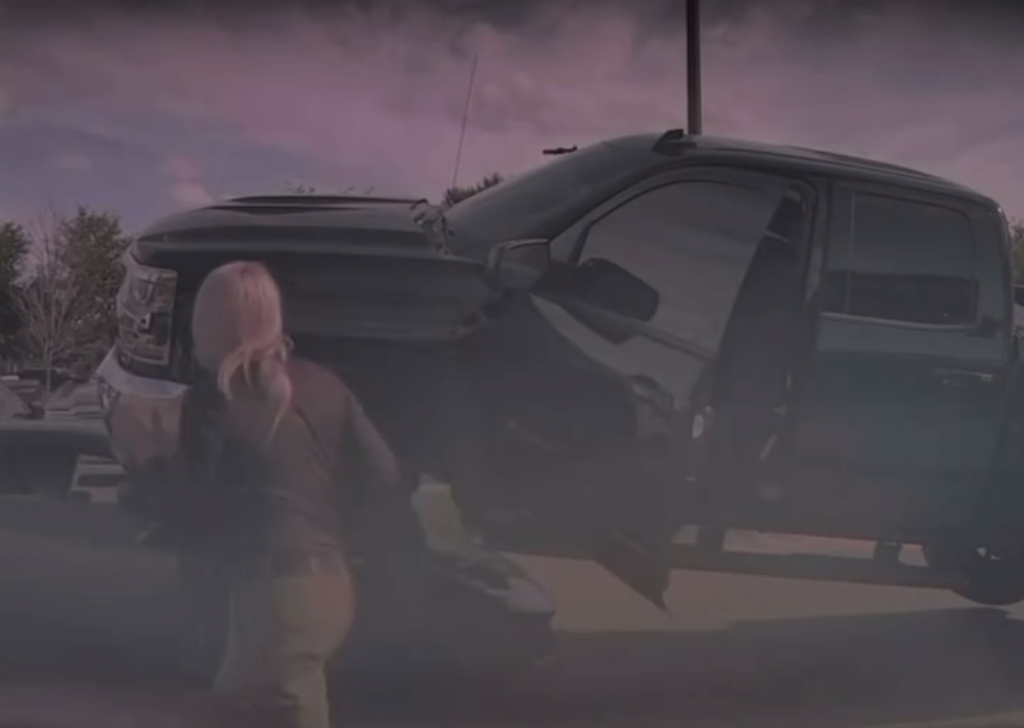
A lifted Chevrolet Silverado parked itself on top of a Lamborghini Huracán, and the internet did exactly what you’d expect. But the viral parking-lot pileup has spun up a second question that’s a lot less fun for the truck driver: could those modifications leave him personally on the hook?
What Happened
The clip tore through TikTok, Instagram, and car blogs within hours. By the accounts circulating online, the driver of a heavily lifted Silverado simply never saw the low-slung Huracán while creeping through a parking lot, and the aftermath looked almost staged, with the truck’s front tires planted squarely on the supercar’s hood and windshield. The Lamborghini owner reportedly walked away unhurt, but the Huracán took serious damage to its front bodywork and glass. The sheer mismatch, a towering pickup beached on a low exotic, racked up millions of views, though insurance people say the story gets messier than the meme suggests.
Why the Lift Kit Itself Matters
Start with the Silverado’s suspension. Lift kits are everywhere in truck culture, but insurers don’t treat a modified rig the same as a stock one. Depending on the policy, mods that were never disclosed can complicate a claim significantly, especially if investigators decide those modifications helped cause the crash in the first place.
Visibility is where this one could really turn. Everybody online fixated on the same detail: the Lamborghini sat so low that the truck driver apparently never noticed it. Critics blamed oversized trucks and sky-high ride heights; defenders countered that low exotics can vanish under the sightlines of anything tall. That argument isn’t just internet noise, either, since insurers and investigators do look at whether aftermarket changes altered a vehicle’s handling, safety, or visibility enough to factor into a wreck. If that lift kit violates local height regulations, was never disclosed on the insurance paperwork, or meaningfully changed the truck’s geometry, that’s the makings of a real coverage fight. Plenty of policies require separate declarations for aftermarket gear, including pricey suspension setups, oversized wheels, and custom fab work, and skipping that step can come back to bite an owner later.
Part of a Bigger Fight Over Oversized Trucks
The wreck also lands squarely in a bigger fight already raging across the car world. Oversized pickups keep showing up in national arguments about pedestrian safety, blind spots, and trucks that just keep getting taller, and a viral clip like this one pours more fuel onto that fire. Yet lifted-truck culture is as popular as ever, especially online, where built Silverados, Raptors, and heavy-duty rigs rack up massive engagement. That’s a big reason this crash spread so fast: it had everything at once, truck culture, exotic cars, social media spectacle, and a parking-lot mistake almost anybody can picture.
For now, nobody knows how the insurers involved will actually settle the claim. One thing is clear, though: this stopped being a simple fender bender a long time ago. It’s now a debate about visibility, modifications, and whether extreme truck builds can saddle their owners with risks they never saw coming.
About the Author