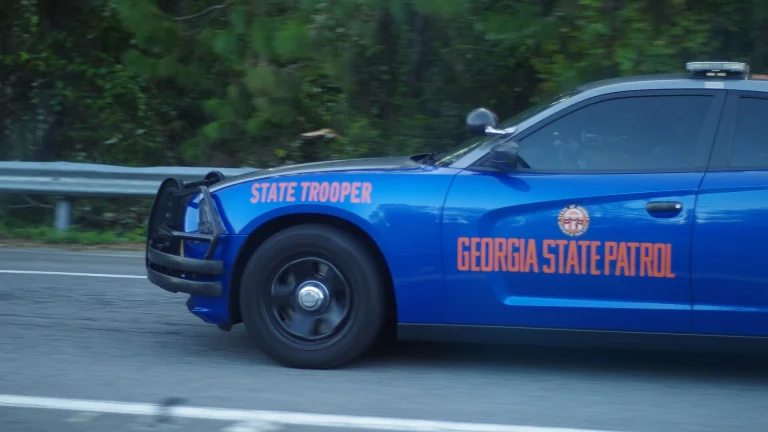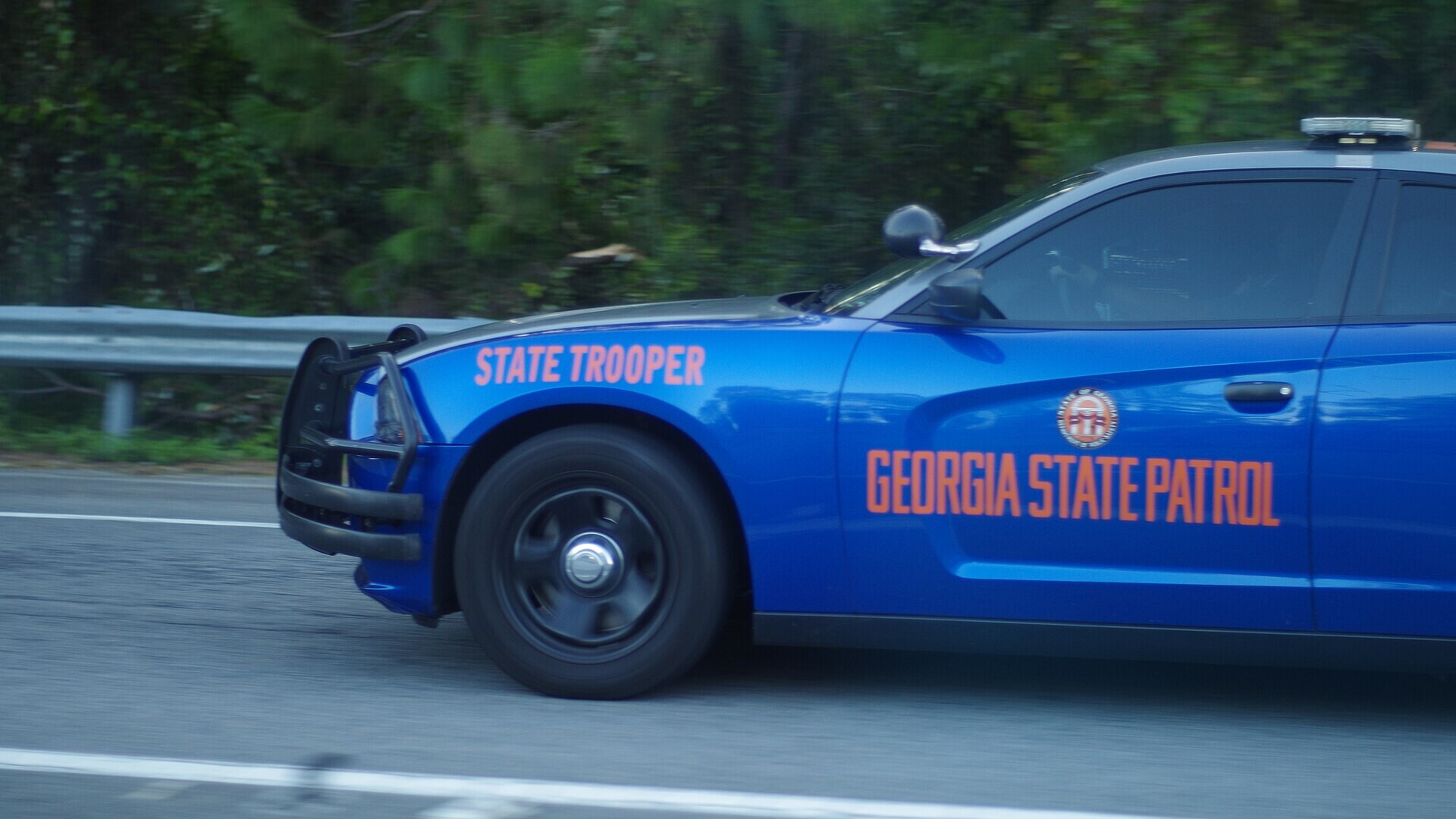
File photo of a Georgia State Patrol Dodge Charger. Photo: erluko / Wikimedia Commons, CC BY 2.0
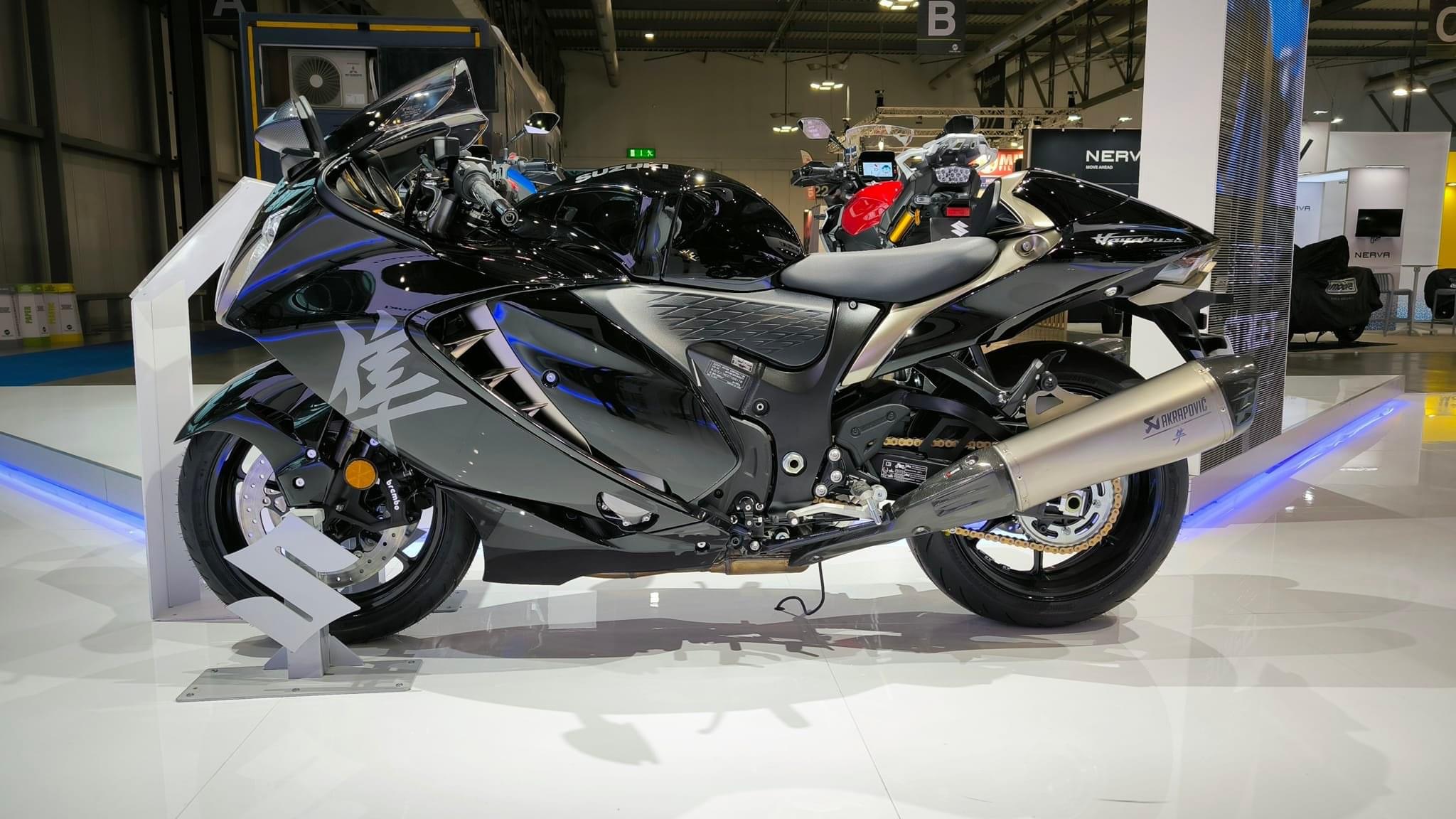
Dashcam video from a Georgia State Patrol cruiser shows a rider on a black Suzuki Hayabusa running from a trooper on I-20 in Atlanta, then ending up on the hood of a second trooper’s cruiser, which was parked across a city intersection.
The clip circulates on Facebook through the news account OTSOTRnews, with a Georgia State Patrol watermark on the footage. Its caption puts the chase on I-20 westbound near the Downtown Connector in Fulton County on Aug. 22, 2022, and says the rider was taken into custody. The Auto Wire, Backfire News’ sister site, described the sequence: a trooper at a gore point near the I-75/85 split saw the bike weaving through traffic without signaling, the rider took the next exit once the lights and siren came on, and he came back onto I-20 heading the other way. On city streets, according to that account, he used turns and red lights to open a gap on the first cruiser. A second trooper then stopped across an intersection, the Hayabusa hit the cruiser’s push bar, and the rider landed on the hood. The dashcam video is where that sequence can be checked.
Nothing I found says what happened to the rider afterward. Searches for a Georgia State Patrol statement, an incident report, an arrest warrant or a court docket turned up none, so any charges and the rider’s condition are unconfirmed. The date rests on the caption alone.
What Georgia’s eluding statute lists
O.C.G.A. § 40-6-395 covers a driver who willfully fails to stop, or tries to flee, after an officer gives a visual or audible signal. The officer has to be in uniform with a badge showing and in a marked official vehicle. A first conviction is a high and aggravated misdemeanor: a fine of $1,000 to $5,000 that a judge cannot suspend, plus 30 days to 12 months in jail.
The felony tier is where a crash matters. Subsection (c) makes the offense a felony if the driver exceeds the posted limit by more than 20 mph, strikes a vehicle or pedestrian, causes an accident, flees in traffic in a way that risks serious injury, commits any of several listed traffic violations, or leaves the state. The penalty is a $5,000 to $10,000 fine and one to ten years in prison, and subsection (d) bars a judge from suspending, probating, deferring or withholding that sentence, or from reducing or merging the charge. As written, the striking-a-vehicle trigger sets no speed threshold, so a low-speed hit counts the same as a fast one. Whether a prosecutor charged anyone that way is not in any record I could find.
The date matters as well. Justia’s copy of the 2022 Georgia Code notes an amendment effective July 1, 2022 that rewrote the penalty subsection and applies to offenses on or after that date. If the caption’s Aug. 22, 2022 date is right, the chase came about seven weeks after the current penalty structure took effect. A conviction for using a vehicle to flee an officer also requires a license suspension under § 40-5-54, and the length is set by the state’s licensing department, not by the sentencing judge.
Why a cruiser ended up in the road
The Georgia Department of Public Safety posts its pursuit policy, No. 17.02, last revised May 15, 2019 in the version online, and it takes most of the usual tools away when the target is a motorcycle. PIT maneuvers are barred on motorcycles, and tire-deflation devices cannot be used on any vehicle with fewer than four wheels. What remains is physical blocking. A stationary roadblock is reserved for extraordinary circumstances, needs approval from a non-commissioned or commissioned officer, and cannot be set on a hillcrest or in a curve. Boxing a vehicle in requires that every unit involved be trained and able to communicate. The version I read does not mention push bars or ramming.
The policy also tells troopers to break off a pursuit when the risk of continuing outweighs the danger of letting the suspect escape, and it lists a known suspect and hazardous traffic among the reasons. Whether the intersection block in this clip was approved as a roadblock under that policy, or was a trooper’s call on the spot, is not in any public record I found. Georgia troopers have faced this problem with this bike before: Backfire News covered a Georgia State Patrol chase of a fleeing Hayabusa in May 2024 and another that ended in a collision with a patrol car that September.
What happens next
Nothing public points to a court date. If a charge exists, the argument would center on subsection (c): whether the impact with the cruiser counts as striking a vehicle, and what the department’s own rules say about putting that cruiser across the intersection. Neither the Georgia State Patrol nor a defense attorney has said anything on the record that I could find.
Should a trooper be allowed to park a cruiser across an intersection to stop a motorcycle that department policy says cannot be PIT’d or spiked, or is letting the rider go and tracking him down later the safer call?
About the Author