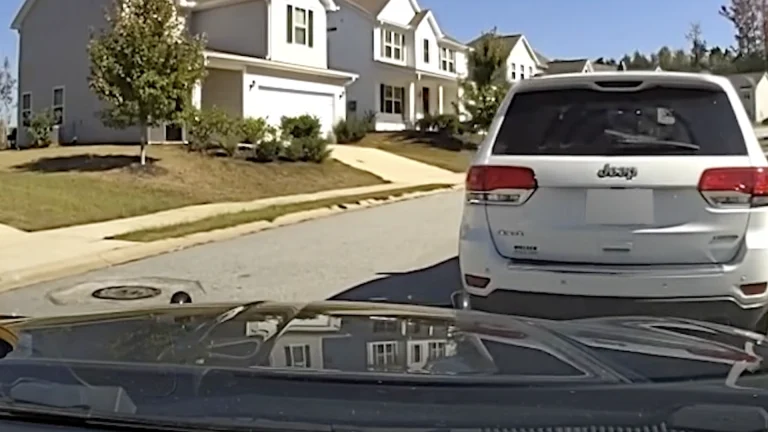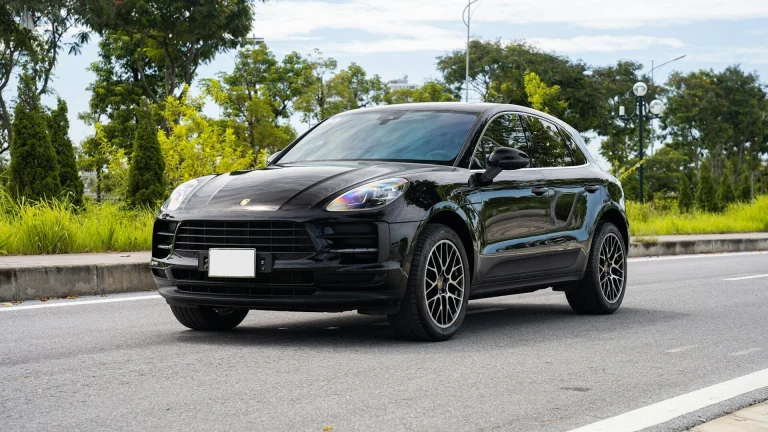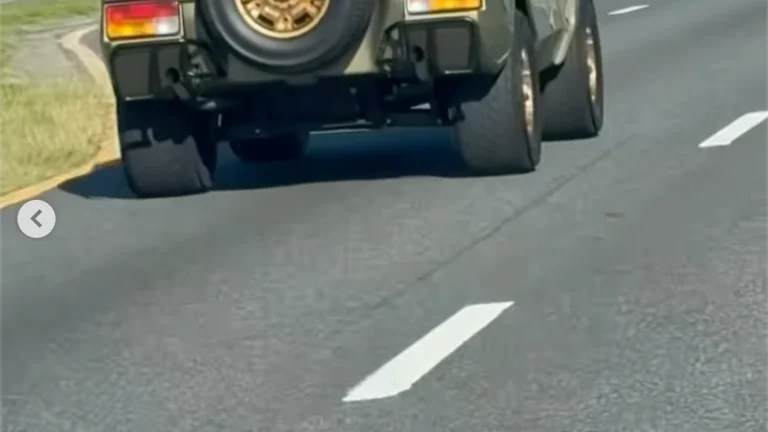
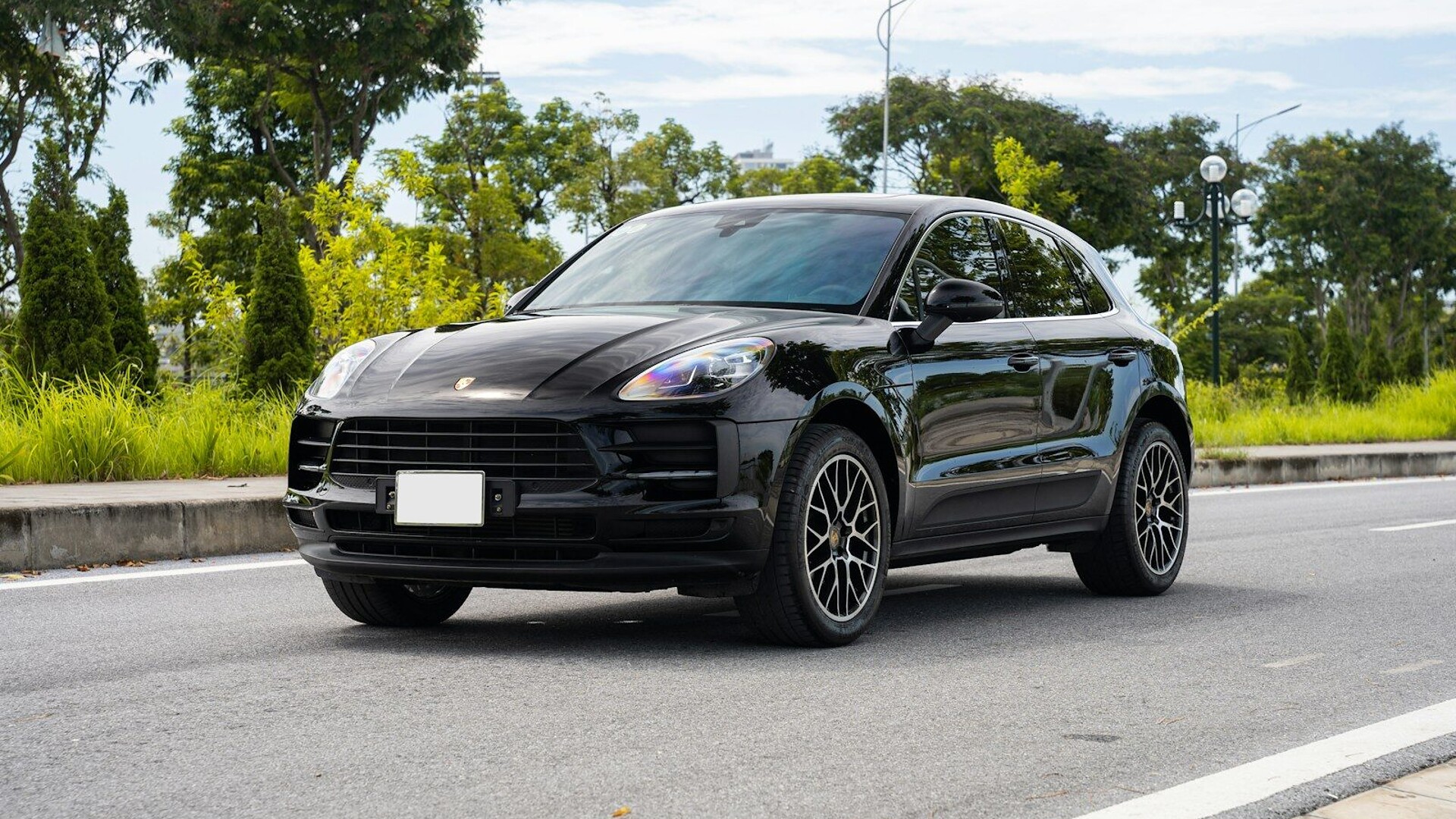
On August 12, 2024, Newark Police Officer Alexander Ferreira fired two rounds into the driver’s seat of a Porsche Macan on Clinton Place in Newark, New Jersey. The driver was hit. The Porsche, which police said had been reported stolen, then hit the patrol car, sped across the intersection, crashed into a brick building, and struck two parked cars with no one inside. On October 19, 2026, a state grand jury voted “no bill,” meaning it declined to bring criminal charges against Ferreira, according to the New Jersey Attorney General’s Office announcement dated October 20.
The vote settles whether Ferreira committed a crime. It does not settle whether he followed New Jersey’s rule on firing at moving vehicles, which sharply limits when an officer can shoot at a car. A grand jury is not asked that question.
What the Attorney General’s account says happened
The Attorney General’s Office described the following sequence. Around 8:34 p.m., Ferreira made a U-turn and parked his marked patrol car in front of the Porsche, which was stopped near Hawthorne Avenue. The officers learned the Porsche had been reported stolen. They ordered the only person inside, a man in the front passenger seat, to get out, and he complied. Ferreira handcuffed him and walked him to the patrol car.
While both officers were at the patrol car, a person came out of a convenience store next door, climbed into the Porsche through the passenger door the officers had left open, and slid into the driver’s seat. The officers left the handcuffed passenger standing beside the patrol car and ran back to the Porsche to try to pull the driver out. Ferreira then went back to the patrol car, put the passenger in the back seat, and returned to the driver’s side of the Porsche.
Related Articles
- Gooding Christie’s Offers One-Off 1998 RUF Project Dragon at No Reserve
- 559-Mile 2006 Ford GT Heritage Edition Crosses the Block at Bring a Trailer
When Ferreira got back, his partner was struggling with the driver, who had shifted into gear and was backing up. The partner, still trying to control the driver and the car, moved backward alongside it. Ferreira shouted “back up” several times, and his partner let go. At almost the same moment, according to the office, the Porsche moved forward and Ferreira fired twice, hitting the driver.
The office’s account does not say the Porsche struck the partner. It says the partner let go before the shots were fired. The car hit the patrol car, paused briefly, and then sped away before crashing. Officers gave the driver first aid, and he was taken to University Hospital with life-threatening injuries. The Attorney General’s Office has not identified him, and the office has not described any charges against him.
What New Jersey’s moving-vehicle rule requires
New Jersey’s Use of Force Policy, revised in April 2022, devotes Section 4.6 to deadly force against people in moving vehicles. It says officers must never deliberately stand in the path of a moving vehicle or one likely to move, and must make every effort to get out of a vehicle’s path.
The same section tells officers not to grab onto moving vehicles or their drivers. If a car starts moving while an officer is engaged with the driver, the officer must let go, if feasible, to avoid being dragged or hit. The policy explains its reasoning: shooting at a moving car puts bystanders and passengers at greater risk because the driver may lose control, and bullets generally do not stop a car quickly.
The policy then forbids firing at the driver or an occupant of a moving vehicle unless no other option is available and one of three situations exists. The first is a threat of death or serious injury from someone in the car using means other than the car, such as firing a gun from it. The second is a driver aiming the car at people other than the officer, as in a terrorist attack. The third is an officer being dragged or carried by the car who cannot break free and faces imminent danger of death or serious injury.
The rule lists no exception for a stolen car, and none for a car that has just finished backing up with an officer alongside it. Whether the shots fit the rule turns on two things the release doesn’t say: where Ferreira was standing when the Porsche moved forward, and whether his partner was fully clear of the car. The partner was holding on during the reverse, which Section 4.6(c) prohibits, and the release says he let go almost at the same moment the shots were fired. The body-camera footage is public and shows those seconds. The release skips them.
Why a grand jury vote doesn’t decide the policy question
Under a 2019 law, N.J.S.A. 52:17B-107(a)(2), the Attorney General’s Office must investigate deaths during police encounters and, in some cases, serious injuries. It must present every one of those investigations to a grand jury. The release says the grand jury is told the elements of possible crimes and, as the statutes require, is instructed on self-defense and other forms of legal justification.
That standard is criminal law. It asks whether an officer reasonably believed deadly force was needed. The Attorney General’s Use of Force Policy is a separate set of administrative rules with stricter limits. An officer can break the policy without committing a crime, and the consequences for doing so are discipline, retraining, or dismissal, not prison.
The release describes that second track. Once the criminal investigation ends, the Division of Criminal Justice decides whether to send the case to the officer’s agency for administrative review under the Attorney General’s Internal Affairs rules, and then monitors that review. The release does not say whether Ferreira’s case was referred. The Newark Police Department has not announced any findings.
The grand jury’s decision is not unusual. In 2015, a state grand jury voted not to charge any of the officers in Rutherford who fired on the driver of a stolen SUV after a chase. Officers in that case said the driver reversed into an unoccupied patrol car and drove toward them. That case came before the current policy, which took the vehicle itself out of the list of threats that justify firing, apart from the narrow exceptions above.
Who pays for the wreckage
The building’s owner and the owners of the two parked cars don’t have to wait on either review. They can file with their own insurers whatever it decides.
Related Articles
- Oregon Sheriff Loses Certification for 3 Years After 91-MPH, 0.19 BAC Stop. He’s Appealing
- Frederick Butler Gets 13 Years After Driving a Stolen Challenger Through Pedestrians at a Cardinals Game
New Jersey’s rules on chasing stolen cars are separate from the rules on shooting at them. The state’s vehicular pursuit policy still lists theft of a motor vehicle among the offenses that permit a pursuit. Nothing in Section 4.6 makes a stolen car a reason to fire at its driver.
The open question now is the administrative review. If the Division of Criminal Justice refers the case to Newark, a supervisor will apply Section 4.6 to the footage, which the grand jury was not asked to do.
The body-cam footage is public. Watch the seconds before the shots: did he break the rule on shooting at moving cars, even if no jury will ever say so?
About the Author