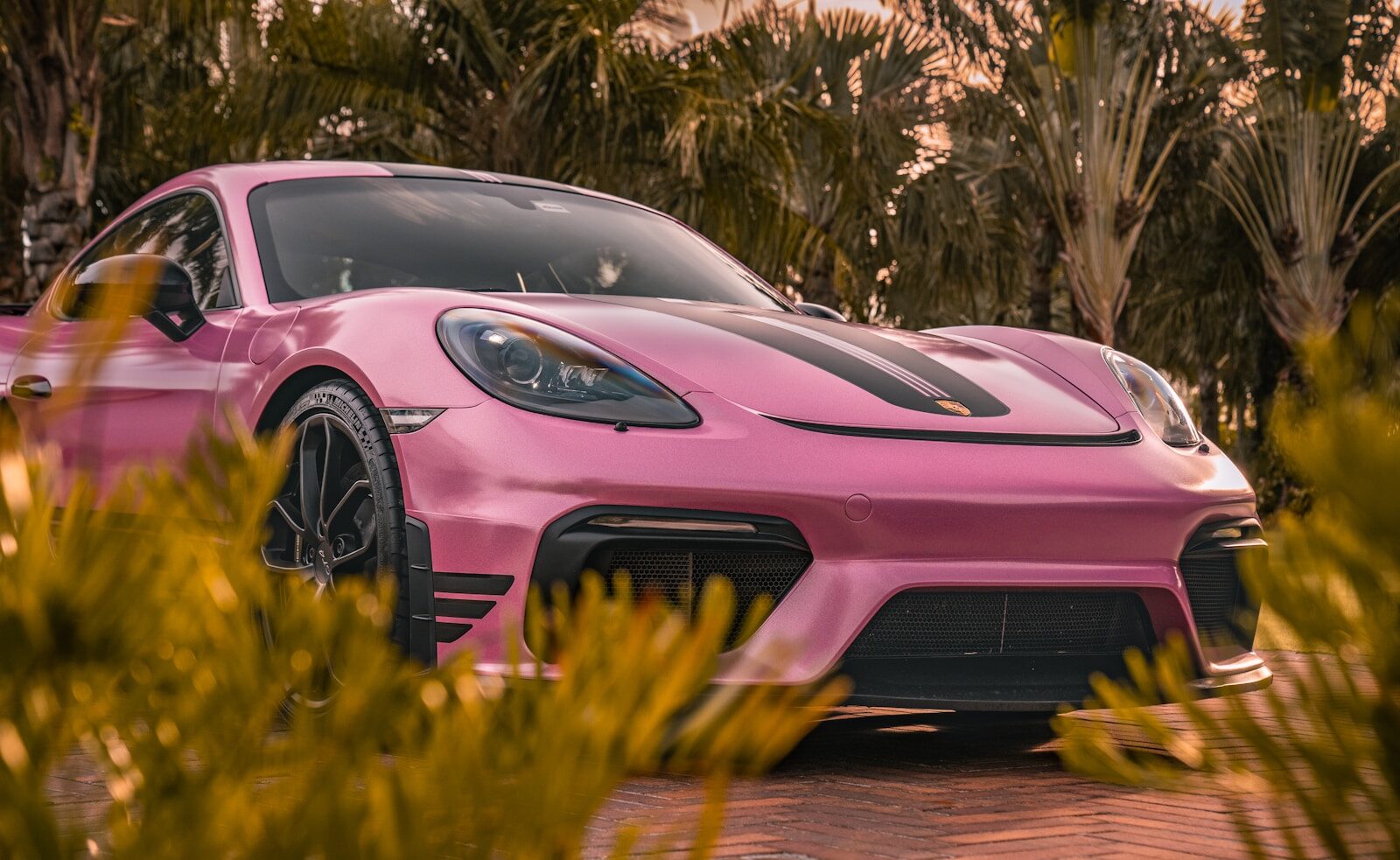
Fort Myers deputies didn’t need a spotter plane or a tip called in from another unit to find their suspect this past Sunday. A hot pink Porsche running 96 mph in a 45 mph zone on Three Oaks Parkway does most of that work by itself. The Lee County Sheriff’s Office says its traffic unit clocked the car during routine speed enforcement, and what followed turned into far more than a routine ticket.
The driver, identified by deputies as 40-year-old Jenifer Leigh Delisi, didn’t try to argue her way out of it. “It was 100 percent on me. I take full responsibility,” she told the deputy at the scene. That admission didn’t keep her out of handcuffs. Delisi was arrested, her Porsche was towed from the scene, and she was booked into the Lee County Jail.
Ninety-Five Was the Line. She Hit Ninety-Six.
Ordinary speeding in Florida is a civil infraction: pay the fine, absorb the points, move on with your day. That is not what Delisi is dealing with. She was charged with Dangerous Excessive Speeding, a criminal offense the Florida legislature created in 2025 under Florida Statute 316.1922. Prosecutors can bring that charge two ways — clocking a driver at 100 mph or more while driving in a manner that endangers people or property, or clocking them at 50 mph or more over whatever the posted limit happens to be, regardless of how low that number is. On a road posted for 45 mph, the second path opens up at exactly 95 mph. Delisi’s Porsche was measured one mile per hour past that line. Catch her at 94 and she is paying a fine. Catch her at 96, and she is standing in front of a judge.
A Criminal Record, Not Just a Costly Ticket
A first conviction under the statute carries up to 30 days in jail, a $500 fine, or both. A second conviction within five years raises that to 90 days in jail, a $1,000 fine, and a mandatory license revocation of six months to a year. Those are criminal penalties handled in criminal court, not the administrative slap on the wrist that comes with a normal speeding citation. On top of the legal exposure, Delisi is also on the hook for towing and storage fees on the Porsche before she even gets to a court date, since Lee County deputies removed the car from the scene rather than letting her drive it away.
Insurance Won’t Care How Nice the Paint Job Is
Insurers underwrite criminal moving violations very differently than they underwrite a standard citation. A dangerous excessive speeding conviction typically gets classified as a major violation, the same bucket carriers use for DUI or reckless driving, which triggers a much steeper premium surcharge than points from an ordinary ticket. That classification tends to sit on a driving record for three to five years depending on the carrier. Stack that onto a Porsche’s baseline premium, which already runs high because of parts costs, labor rates, and theft risk, and a conviction here can push Delisi into a non-standard, high-risk insurance market or invite a non-renewal notice, independent of whatever happens in the criminal case itself.
Lee County Isn’t the Only Agency Leaning on This Law
The sheriff’s office made a point of publicizing the stop on social media, framing it as part of an ongoing push against reckless drivers on Lee County roads. That messaging strategy is becoming familiar across Florida. Orange County deputies used the same statute in July on a Lamborghini clocked at 137 mph, and the law has already threatened to upend the online career of a NASCAR founder’s great-grandson caught running afoul of it more than once. Not every driver takes an arrest as quietly as Delisi did, either — a Florida driver in a lifted Silverado chose to test a trooper’s patience rather than pull over, a decision that ended with a wheel coming off his own truck mid-chase.
The bottom line for anyone driving anything quick in Florida right now: the statute reads the same for a base Porsche as it does for a six-figure supercar, and the arithmetic is unforgiving once a radar gun and a posted limit are involved. Picking the one paint color guaranteed to make a car impossible to miss on a public road does not help either. A pink Porsche stands out at 45 mph. At 96, it practically announces itself.
About the Author