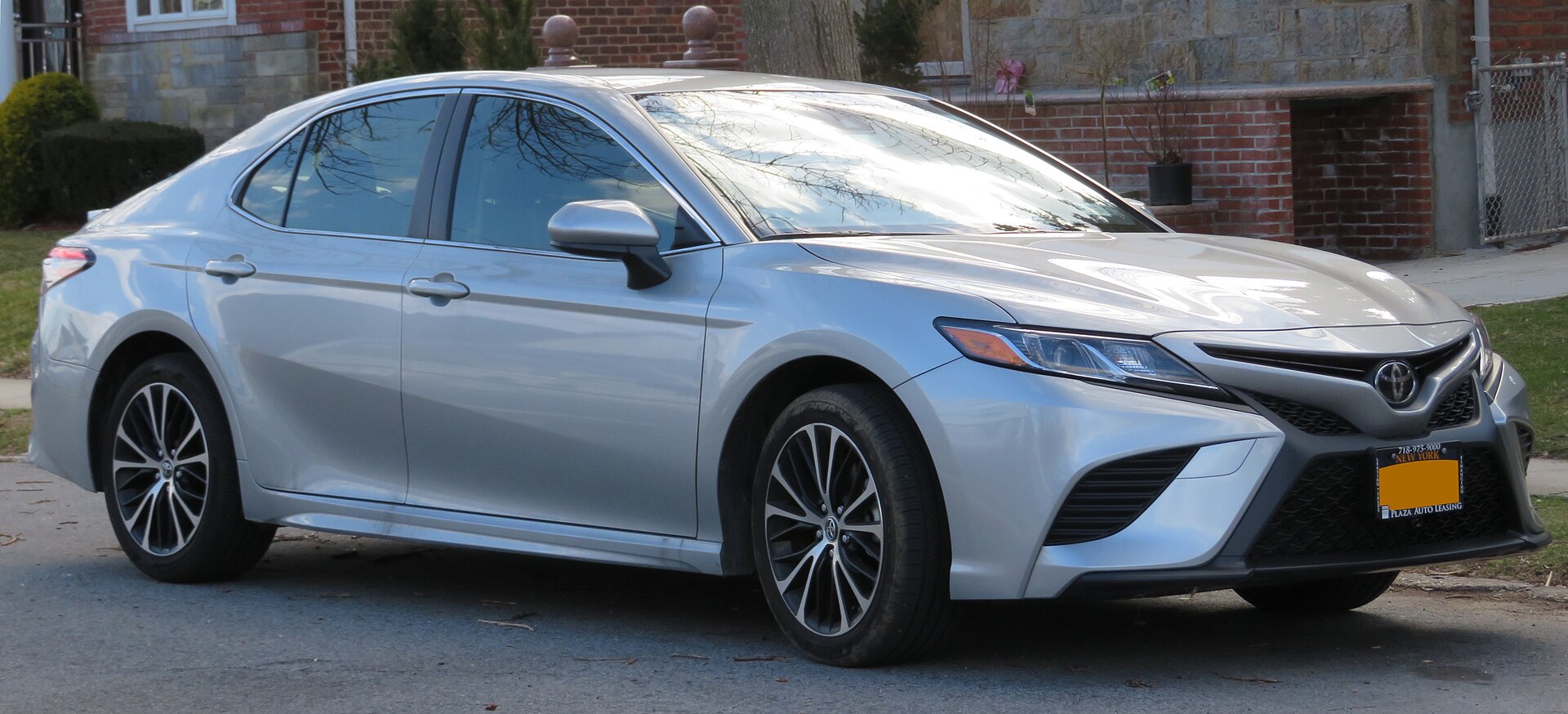
Apple Park in Cupertino, California. File photo from 2018, not from the crash scene. Photo: Daniel L. Lu (dllu) / Wikimedia Commons, CC BY-SA 4.0
Prosecutors say the speedometer in Eric Chen Su’s Toyota Camry was frozen at 100 mph when it hit a car stopped at a red light on Tantau Avenue in Cupertino, outside Apple’s headquarters. The 2-year-old in that car, Riley Howard, died.
ABC7 News Bay Area reported the details after Su, 38, an Apple employee, appeared in court Tuesday in Palo Alto. He faces two felony counts, murder and assault with a deadly weapon. Santa Clara County Deputy District Attorney Rob Baker told the station, “Unquestionably, murder was the appropriate charge.” Su has not entered a plea and is presumed innocent.
The crash happened on a Friday; ABC7 reports a memorial was held at the site the next day, Saturday, Nov. 7. Su’s Camry rear-ended the stopped car, which caught fire. Witnesses told ABC7 that several bystanders ran to it and pulled Riley, who was from San Jose, and the driver out. Riley was taken to a nearby hospital and died there. Her babysitter was seriously injured. Baker said Su appeared in court in a wheelchair but was otherwise uninjured.
What prosecutors have said
Baker put Su’s speed at nearly 100 mph, about four times the posted limit. ABC7 did not report the limit itself, the time of the crash, or whether anything beyond the speedometer needle supports the speed, such as data from the car or video. It also did not report any finding on alcohol, drugs or other impairment, in either direction. The DA’s office said it will keep pursuing the case, and Su’s next hearing is Nov. 30.
Murder versus manslaughter
California splits vehicular manslaughter in Penal Code 192(c) into a gross negligence version and a lesser negligence version. Subsection 192(e)(1) says a gross negligence finding does not block a murder charge under section 188 when the facts show wantonness and a conscious disregard for life, which is the legal definition of implied malice.
Subsection 192(e)(2) lists conduct that can support gross negligence based on the totality of circumstances: taking part in a sideshow, a speed contest, or “speeding over 100 miles per hour.” Prosecutors’ figure for Su is nearly 100, and the speedometer reading they cite is 100 on the nose.
The case California courts still cite for implied malice in a driving death is People v. Watson, decided by the state Supreme Court in 1981. It let a second-degree murder charge go forward against a drunk driver whose blood alcohol was .23% and who was estimated at 84 mph in a 35 mph zone before braking. The court required that the driver actually appreciated the risk to life, and it said it was not encouraging murder charges as routine in vehicular homicide cases. Watson’s facts included impairment, a red light run before the fatal crash, and skid marks. Nothing ABC7 reported about Su includes any of the three.
What prosecutors will use to show Su knew the danger has not been released. The hearing on Nov. 30 is the next point where a document could say.
Recent charging decisions
Charge selection has been a recurring thread in cases we have covered, from the two murder counts filed after the Montclair Halloween bike ride crash to the retired NYPD detective who was indicted for murder after posting bail on a manslaughter charge.
Is murder the right charge for a driver who hits a stopped car at nearly 100 mph, or should vehicular manslaughter be the most he faces?
Sources: ABC7 News Bay Area report on the court appearance of Eric Chen Su; California Penal Code sections 188 and 192; People v. Watson, 30 Cal.3d 290 (1981).
About the Author