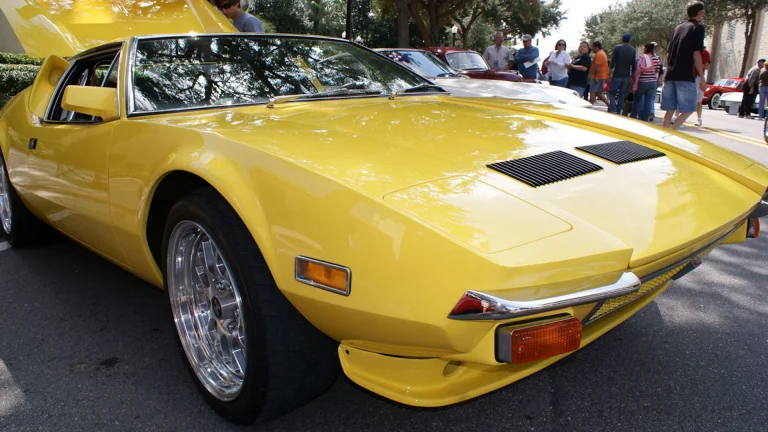
A Lamborghini doesn’t need help getting noticed, but the Orange County Sheriff’s Office in Florida found a way to make one famous for entirely the wrong reason. On the morning of Wednesday, July 22, deputies with the agency’s Motors Unit clocked one doing 137 mph, and instead of quietly writing it up, the department posted the stop straight to its own Facebook and Instagram pages under a label that now carries real legal teeth in Florida: a “Super Speeder” stop.
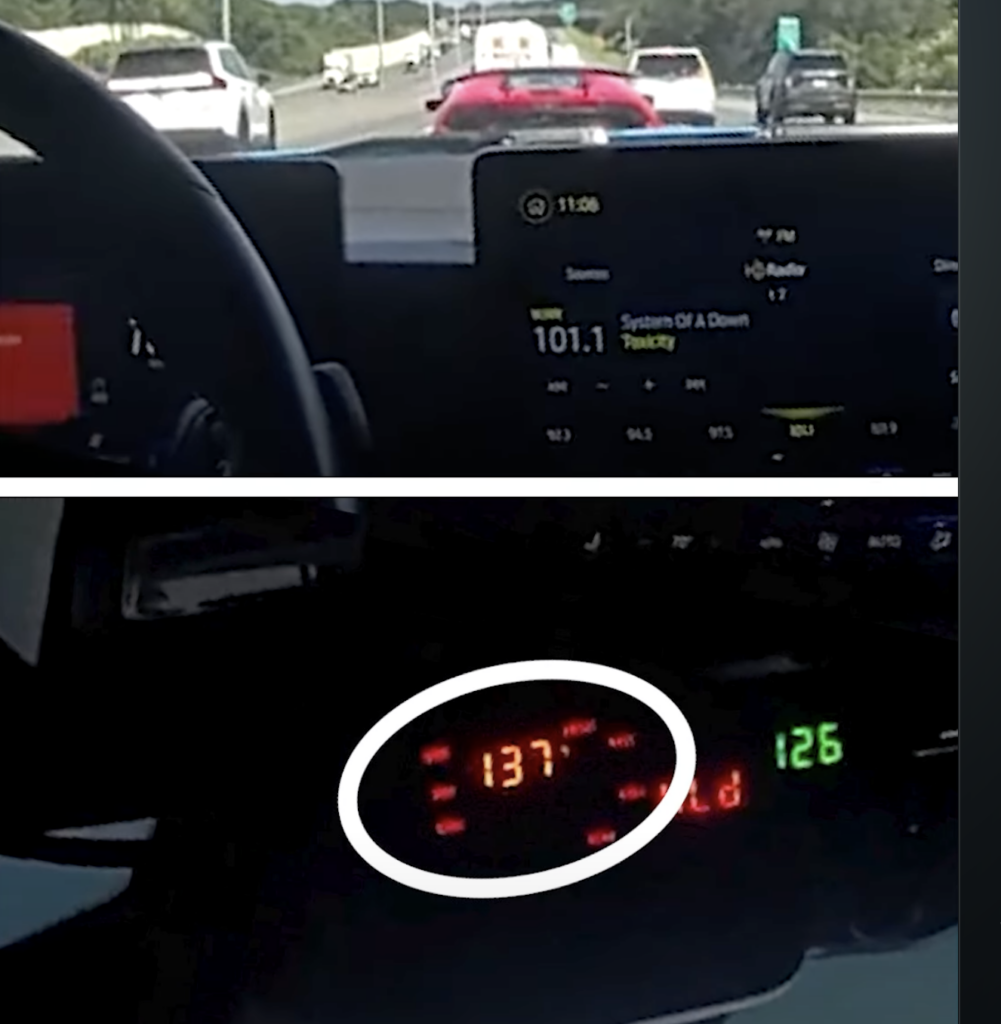
The sheriff’s office kept its statement short on both platforms, skipping the driver’s name, the exact model, and the road it happened on. What it did share was the number and a one-line mission statement: “Our efforts to curb super speeding continue every day.” That single sentence is doing more work than it looks like, because a year ago, a 137-mph traffic stop wouldn’t have carried the same consequences it does now.
Why “Super Speeder” Isn’t Just a Catchy Name
Florida’s legislature created Florida Statute 316.1922, “Dangerous Excessive Speeding,” in 2025. The law defines the offense two ways: driving 50 mph or more over the posted limit, or driving 100 mph or more in a manner that threatens people or property or interferes with other traffic. A driver only needs to hit one of those thresholds, and 137 mph clears both with room to spare on any Florida road posted below 87 mph, which covers the overwhelming majority of the state’s highway system.
The distinction matters because it moves the offense out of civil traffic court and into criminal court. A first conviction carries up to 30 days in jail, a $500 fine, or both. A second conviction within five years bumps that to 90 days in jail, a $1,000 fine, and a mandatory driver’s license revocation of six months to a year. Compare that to an ordinary speeding ticket, which is a civil infraction that never touches a criminal record, and the gap in consequences becomes obvious. Whoever was driving that Lamborghini wasn’t just risking points on a license.
The Insurance Math Gets Ugly Fast
A criminal conviction changes how an insurer looks at a policy, and it changes it for years, not one renewal cycle. Underwriters typically classify a reckless or dangerous-speeding conviction as a major violation, the same bucket as DUI or hit-and-run, which triggers a much steeper surcharge than a standard speeding ticket and can follow a driving record for three to five years depending on the carrier. Stack that on top of a Lamborghini’s baseline premium, which already runs high because of repair costs, parts availability, and theft risk, and a single conviction can push full coverage out of reach or force an owner into a high-risk specialty market at a significant markup. Some carriers simply decline to renew after a criminal moving violation, regardless of how long someone has been a customer.
This Wasn’t the Department’s First Exotic-Car Example
Scroll back through the Orange County Sheriff’s Office’s own Facebook page and this stop fits a clear pattern rather than a one-off. The same account has posted other Motors Unit encounters with similarly outrageous speeds, including one roundup listing a string of triple-digit readings in a row, and the agency also marked the one-year anniversary of the dangerous excessive speeding law with its own recap post. Exotic cars make convenient examples for this kind of messaging: they’re rare enough to stand out, expensive enough to suggest the owner has something to lose, and visually dramatic enough to hold attention on a social feed in a way a stopped minivan never will. Whether that’s fair to the drivers involved is a separate question from whether it works as deterrence, and the sheriff’s office is clearly betting that it does.
Florida Isn’t Alone in Making Examples Out of Fast Cars
Georgia doesn’t have a dedicated dangerous excessive speeding statute, but deputies there reached for reckless driving charges when Eagles linebacker Nolan Smith was clocked driving his own Lamborghini at 136 mph, showing that prosecutors can lean on general reckless driving law to get a similar result even without Florida’s newer, more specific statute. Repeat behavior tends to draw even harsher treatment, which is exactly what played out when a Florida teen with a WILL RUN vanity plate got arrested for a second high-speed chase, a case that reads like a preview of what happens once a driver’s name is already flagged in the system. None of this is really about the cars. It’s about how much attention a fast, expensive vehicle pulls toward whoever is behind the wheel, for better or worse.
The Owner Takeaway
Not every dashcam clip leads to an arrest. Some drivers manage to talk, outrun, or simply out-drive their way past a stop, the way one Colorado sedan driver briefly did on Interstate 25 by killing the headlights before deputies eventually caught up. But cameras are everywhere now, whether they’re mounted on a patrol car or a passing cyclist’s helmet, and the footage rarely stays private for long, as the driver in a widely shared BMW road-rage clip found out the hard way. For anyone shopping for or already owning a car built to hit triple digits without breaking a sweat, the practical lesson from Orange County has nothing to do with horsepower and everything to do with jurisdiction. Florida just redrew the line between a citation and a criminal record, and it drew that line well below what a modern supercar can do without even trying.
About the Author