A late-night pursuit along Interstate 25 in northern Colorado ended with two people behind bars and a heavily customized sedan impounded, after deputies say the car was clocked tearing up the highway at 130 mph. According to the Larimer County Sheriff’s Office, the vehicle was the kind of purpose-built machine investigators say is frequently used in illegal coast-to-coast speed runs.
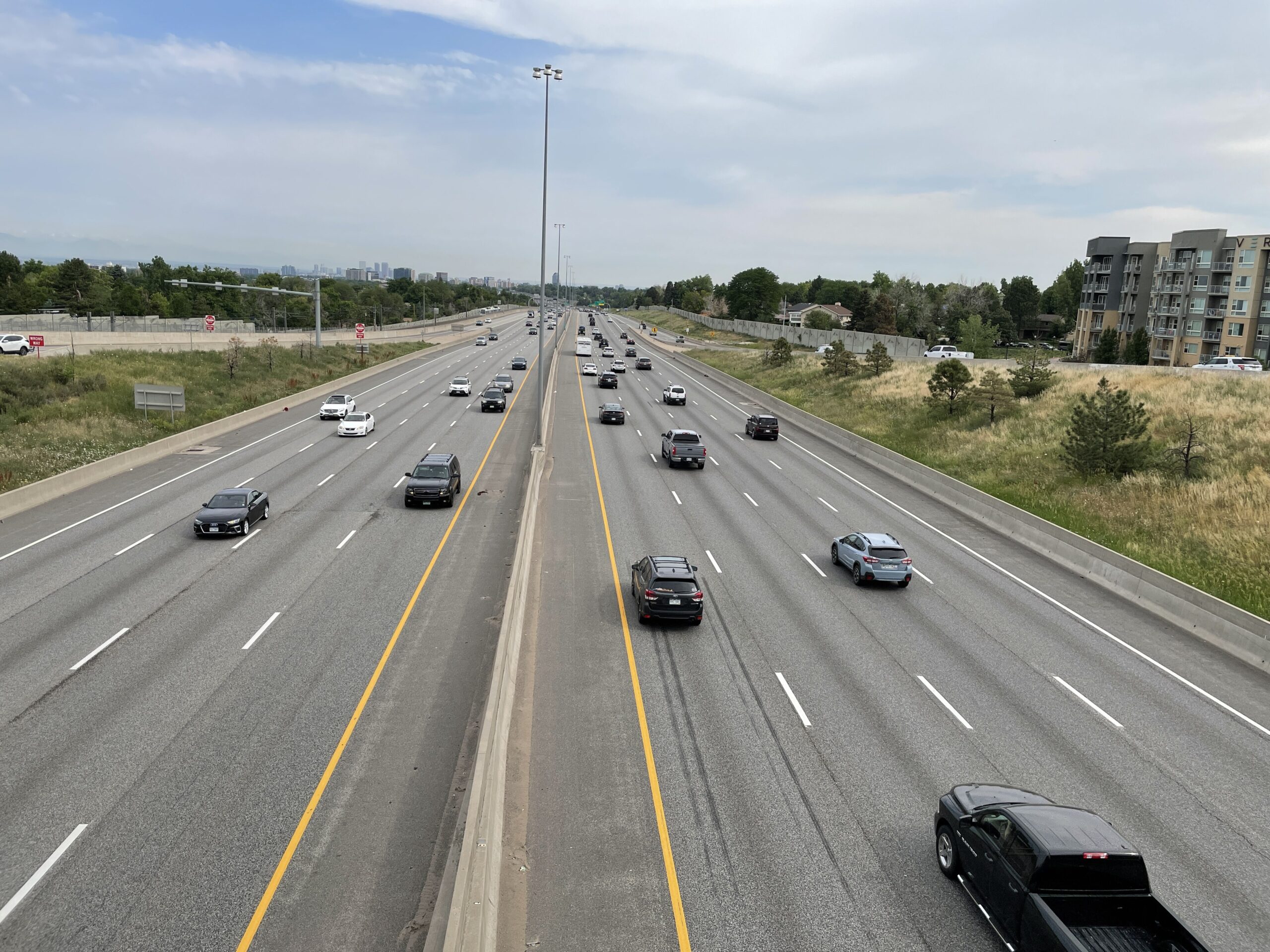
It all started on the night of May 30, when a deputy spotted a dark sedan rocketing north on I-25 near Carpenter Road. As additional units moved in, the car bolted onto the Mountain Vista exit, still cracking triple-digit speeds. Then the driver killed the headlights entirely, going dark in an apparent attempt to slip away into the night.
The maneuver briefly worked, and deputies lost sight of the sedan. But they kept pressing in the direction it had fled, eventually catching the car as it blew through a red light near Country Club and Terry Lake. Deputies then set up a high-risk traffic stop, and according to the sheriff’s office both the driver and passenger surrendered without any struggle.
What deputies found inside the car is what really set it apart. The sheriff’s office described the sedan as “extensively modified” and fitted with a small arsenal of gear designed to stay one step ahead of law enforcement. That included radar detectors, jammers meant to obscure the vehicle’s plates, and even a passenger-side binocular setup for scanning the road ahead for police. Investigators also reported finding amphetamines, a controlled stimulant, inside the car.
According to the sheriff’s office, this combination of equipment is a hallmark of the so-called “cannonball run” subculture, in which drivers attempt to cross the United States from coast to coast in record time while dodging police. Cars built for these runs are often disguised to resemble unmarked law enforcement vehicles and are fitted with oversized or heavily reworked fuel systems so they can cover enormous distances with as few stops as possible.
Extreme speed cases like this one are nothing new, and they tend to end badly for the drivers involved. We’ve seen everything from a Lamborghini driver clocked at 136 mph in Georgia to a single 24-hour enforcement blitz in California that produced more than 11,000 speeding tickets. Police agencies have also gotten creative in catching offenders, with one Wisconsin department even using a helicopter to track down a speeding motorcycle.
For now, the driver and passenger face the consequences of a stop that ended far more quietly than the chase that preceded it. The case is a reminder that no amount of radar jamming, blacked-out headlights, or spotter optics guarantees a clean getaway, and that a 130-mph dash down a public interstate is a gamble with very long odds.
About the Author