A viral video out of Newport Beach is showing just how quickly a moment of road rage can spiral into felony charges. Authorities say a BMW driver is now facing serious criminal counts after allegedly using his car to intimidate cyclists in a marked bike lane — and the case is drawing attention less for the driving itself than for how fast video evidence turned it into a full-blown prosecution.
What Happened Along PCH
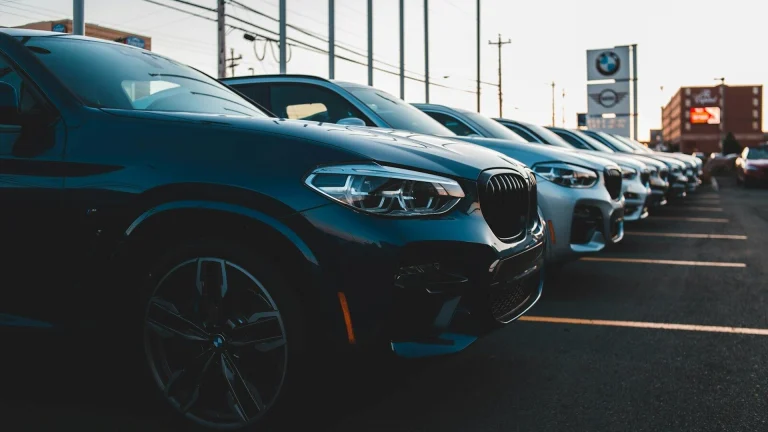
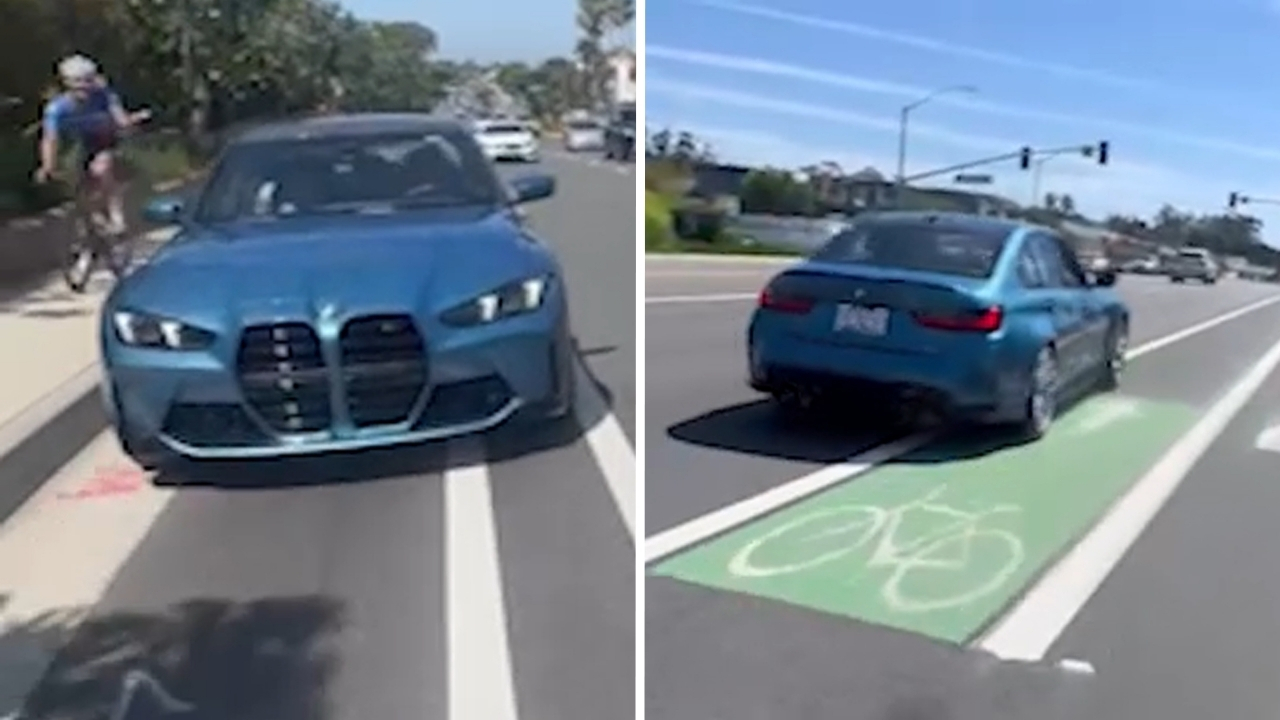
The incident unfolded on March 21 along Pacific Coast Highway, a stretch of road known for heavy traffic and a constant mix of drivers, cyclists, and pedestrians. According to authorities, a blue BMW was seen veering dangerously close to two cyclists riding in a protected bike lane. What might otherwise have been dismissed as a single aggressive-driving complaint escalated fast once footage of the encounter began circulating online — the visual evidence is what turned this from a private dispute into a criminal case.
When a Car Gets Classified as a Weapon
The driver is now facing charges that include assault with a deadly weapon and obstruction. In legal terms, labeling a vehicle a deadly weapon significantly raises the stakes, turning what some might dismiss as reckless driving into a felony-level offense. Cars are everyday tools, but under the law they can be reclassified as weapons depending entirely on how they’re used — and the allegation here is that the BMW was driven in a way that could have caused serious harm to the cyclists in that lane. That distinction shifts the entire narrative from poor judgment to potential criminal intent, and it’s a meaningful reminder of how thin the margin is between aggressive driving and a felony charge once a protected bike lane and clear video evidence enter the picture.
From Viral Clip to an Arrest
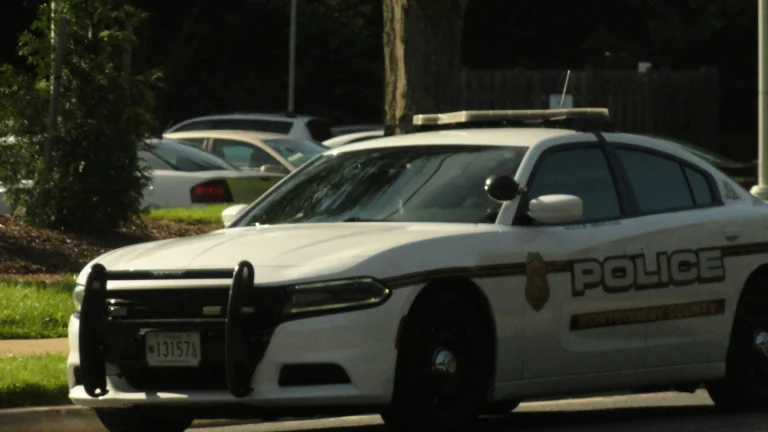
Within days, the case moved from the road to active law enforcement action. Police identified the suspected driver as Samir Weiss and arrested him at his home in Corona on March 26. Officers also seized the BMW believed to be involved, towing it away as part of the investigation — a detail that signals how seriously authorities are treating the case, since the vehicle itself is being preserved as key evidence rather than released back to its owner.
Part of a Bigger, National Pattern
Pacific Coast Highway is far from the only place where friction between drivers and cyclists plays out. Across the country, shared roadways are becoming flashpoints as more cities expand cycling infrastructure while traffic volumes stay high. This incident feeds directly into that dynamic, highlighting how quickly interactions between different types of road users can escalate once frustration or impatience enters the picture. For drivers, it’s a clear signal that the margin for error has shrunk — dedicated bike lanes mean less room for mistakes and far less tolerance for behavior that crosses the line from careless to dangerous.
What Comes Next
The legal side of this case is still unfolding, but the immediate fallout is already clear: serious felony charges, a seized vehicle, and a widely circulated video have turned one bad decision behind the wheel into a public example of what not to do near a bike lane. As the case moves forward, it’ll likely be watched closely, not just locally but by anyone tracking how road rage incidents get prosecuted going forward. Will cases like this push toward stricter enforcement and harsher penalties, or will they mostly serve as cautionary tales for drivers navigating increasingly crowded roads? Either way, one thing is already certain: in today’s environment, nearly every move behind the wheel carries the potential to be recorded, scrutinized, and judged — and once that happens, there’s no taking it back.
About the Author