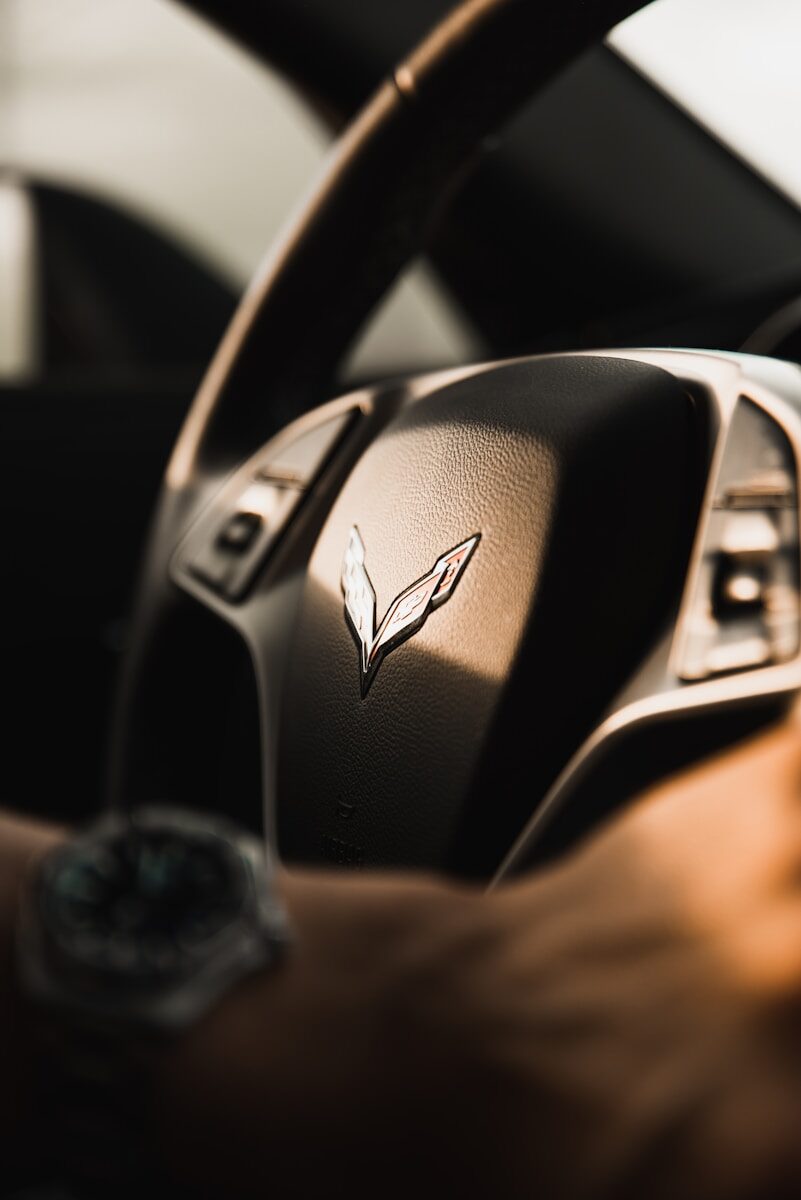
Buying a car used to feel like the finish line. You picked it out, signed the paperwork, and drove off knowing the biggest expense was behind you. General Motors is betting that assumption is outdated. The company has spent years quietly building a business where the real money doesn’t come from selling the car at all — it comes from what happens after you’ve already driven it home, and the numbers show that bet is paying off.
The Numbers Behind the Strategy
Back in 2020, GM brought in roughly $1.7 billion from subscription-related services — at the time, a modest side business that didn’t look like a core priority. By 2025, that figure had climbed to $2.7 billion in realized revenue, with deferred revenue (subscription money booked but not yet recognized) jumping to $5.4 billion. GM’s own projections put 2026 at $3.1 billion in realized revenue and $7.5 billion in deferred revenue. That trajectory is the real story here: a car company steadily building a recurring-revenue business that runs parallel to, and increasingly alongside, the business of actually selling vehicles.
OnStar and Super Cruise Aren’t Just Features Anymore
The strategy centers on OnStar, which has evolved from an emergency-response system into a bundle of navigation, connectivity, remote access, and driver-assist features. Super Cruise, GM’s hands-free highway driving system, plays a similar role — it’s the kind of feature that feels impressive the first time you use it and then quietly becomes something you stop thinking about, right up until it’s gone.
How GM Gets Drivers Used to Paying
GM isn’t charging buyers the moment they drive off the lot, and that’s deliberate. New vehicles come with long trial periods that fold these features into the ownership experience before any bill shows up. Basic OnStar services are typically included for up to eight years; Super Cruise is usually bundled in for three. That’s long enough for a feature to stop feeling like an add-on and start feeling like part of the car itself. By the time the trial runs out, the decision drivers face isn’t whether to try the feature — it’s whether they’re willing to lose something they’ve already gotten used to having. That’s a much easier sell than asking someone to pay for a feature they’ve never used.
Why This Model Makes Sense for GM
From a business standpoint, recurring subscription revenue creates stability in a market where vehicle sales themselves are becoming harder to predict. A subscriber base that renews every month is a far steadier income stream than one-time vehicle transactions tied to interest rates, incentives, and inventory swings. From a driver’s perspective, though, it’s a very different conversation.
Where It Gets Complicated for Owners
Not every driver needs these features, and that’s where the model runs into resistance. Hands-free highway driving sounds appealing until you realize you barely drive on highways. In-car streaming and connectivity matter to some owners and not at all to others. When a feature doesn’t feel essential, paying for it month after month starts to feel like a waste — and once that feeling sets in, it’s difficult to win back.
The Data Question Nobody’s Ignoring
There’s also the matter of data, which has already surfaced as a real concern rather than a hypothetical one. Connected services collect information by design, and that raises legitimate questions about how that data gets used and who has access to it. Legal challenges tied to privacy concerns around connected-vehicle data have already appeared, and they’re unlikely to go away as these systems become more widespread — adding another layer of risk to a business model that depends heavily on long-term customer trust, not just feature adoption.
The Bottom Line
Cars are no longer just products you buy outright and walk away from — they’re becoming platforms that evolve over time, with features that can be added, removed, or restricted depending on what you’re paying for. That doesn’t mean traditional ownership is disappearing, but it does mean the experience of owning a car is changing, and paying for parts of your vehicle after you’ve already bought it is quickly becoming normal rather than unusual. GM is betting that the future of the auto business isn’t just about selling vehicles — it’s about staying connected to the people who already own them, in ways that keep generating revenue long after the sale closes. If that bet pays off, buying the car won’t be the biggest financial commitment. It’ll just be the first one. Whether drivers accept that ongoing relationship or start pushing back is what will ultimately decide how far this model goes.
About the Author