Darrell Waltrip’s family shared a health update this week that changes the way an entire generation of NASCAR fans will hear his voice in their heads. Waltrip, his wife Stevie, and their family confirmed that the 79-year-old has been diagnosed with frontotemporal degeneration, complicated by what doctors believe may be chronic traumatic encephalopathy connected to injuries from his racing career. As a result, Waltrip is stepping back even further from the public appearances he’s kept up since retiring from the broadcast booth.
The family kept its statement short and steady. It noted that the disease will progress but that symptoms are currently minor, and it described Waltrip as “happy and otherwise healthy,” spending his days with Stevie, their two daughters, and three grandchildren. The message closed the only way it really could: with the four words Waltrip has used to send off a thousand race broadcasts, “Boogity! Boogity! Boogity!”
The two conditions named in that statement aren’t the same thing, and the distinction matters. Frontotemporal degeneration attacks the frontal and temporal lobes first, the parts of the brain that govern personality, judgment, and language, which is why it can look so different from Alzheimer’s in its early stages; memory often holds up while behavior and speech change instead. Chronic traumatic encephalopathy is the condition tied to repeated head trauma that became a national conversation through NFL research, and it genuinely cannot be confirmed while a patient is alive. It’s only diagnosable through examination of brain tissue after death, which is exactly why the family’s statement was careful to call it “possible” rather than confirmed.
Whatever comes next medically, it doesn’t erase what Waltrip built between 1972 and 2000. He won three Cup championships and 84 races in NASCAR’s premier series, a win total that still ranks fifth all-time even after three decades of other drivers trying to catch him. The signature victory came at the 1989 Daytona 500, a race he’d chased and lost for sixteen years before finally taking the checkered flag there. He retired from driving in 2000 and didn’t disappear, he just moved upstairs, spending 19 seasons as FOX Sports’ lead NASCAR analyst starting in 2001 and introducing an entire cable-television generation of fans to his particular brand of blunt, opinionated commentary.
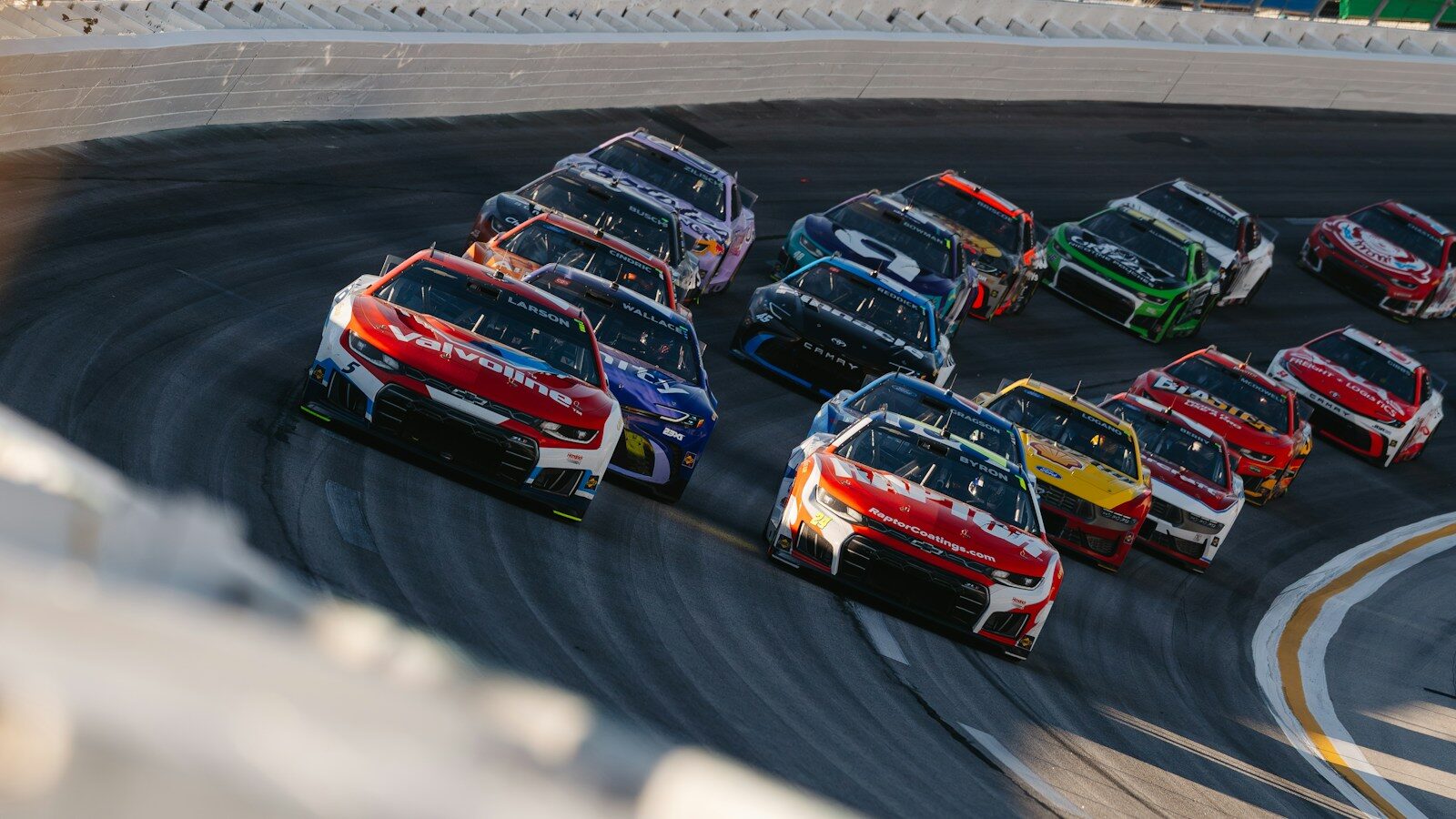
It’s worth remembering how different the sport’s safety equipment looked for most of that career. Waltrip drove almost his entire Cup schedule before the HANS device existed and before SAFER barriers lined superspeedway walls. Both became mandatory only after Dale Earnhardt’s fatal crash at the 2001 Daytona 500, the same track where Waltrip had celebrated his biggest win twelve years earlier. Head and neck restraints are now a baseline assumption in stock car racing, built into everything from rulebook requirements to the crash structure engineered into today’s Next Gen Camry.
There’s a less visible gap worth pointing out too. NASCAR drivers have historically operated as independent contractors rather than union employees, which means there’s no equivalent to the NFL’s concussion settlement program for a driver who develops a degenerative brain condition tied to years behind the wheel. Coverage and compensation, when they exist at all, come down to whatever a driver or team negotiated individually. It’s a quiet undercurrent in motorsports safety debates, and cases like this one are the reason it keeps resurfacing.
Waltrip went into the NASCAR Hall of Fame in 2012, part of the third five-member class inducted after the Hall opened its doors in 2010, and the cars he raced look almost nothing like what fills the field today. The boxy, big-block machines he wheeled through the 1970s and ’80s have given way to purpose-built Next Gen chassis, the kind that occasionally turns up detuned and street-legal on the collector market once a team retires it.
None of that history is really what fans are sitting with this week, though. It’s the voice. For 19 years, Waltrip’s excitement, his corny catchphrases, and his willingness to say what other analysts wouldn’t made him feel like a friend in the room rather than a broadcaster reading a script, and that’s a harder thing to build than a win total. NASCAR fans have spent decades being loud about their opinions on him, but the affection underneath the arguing was never really in question. The family’s ask was simple: prayer, love, and support. That much, at least, NASCAR’s fans have never had trouble supplying.
About the Author