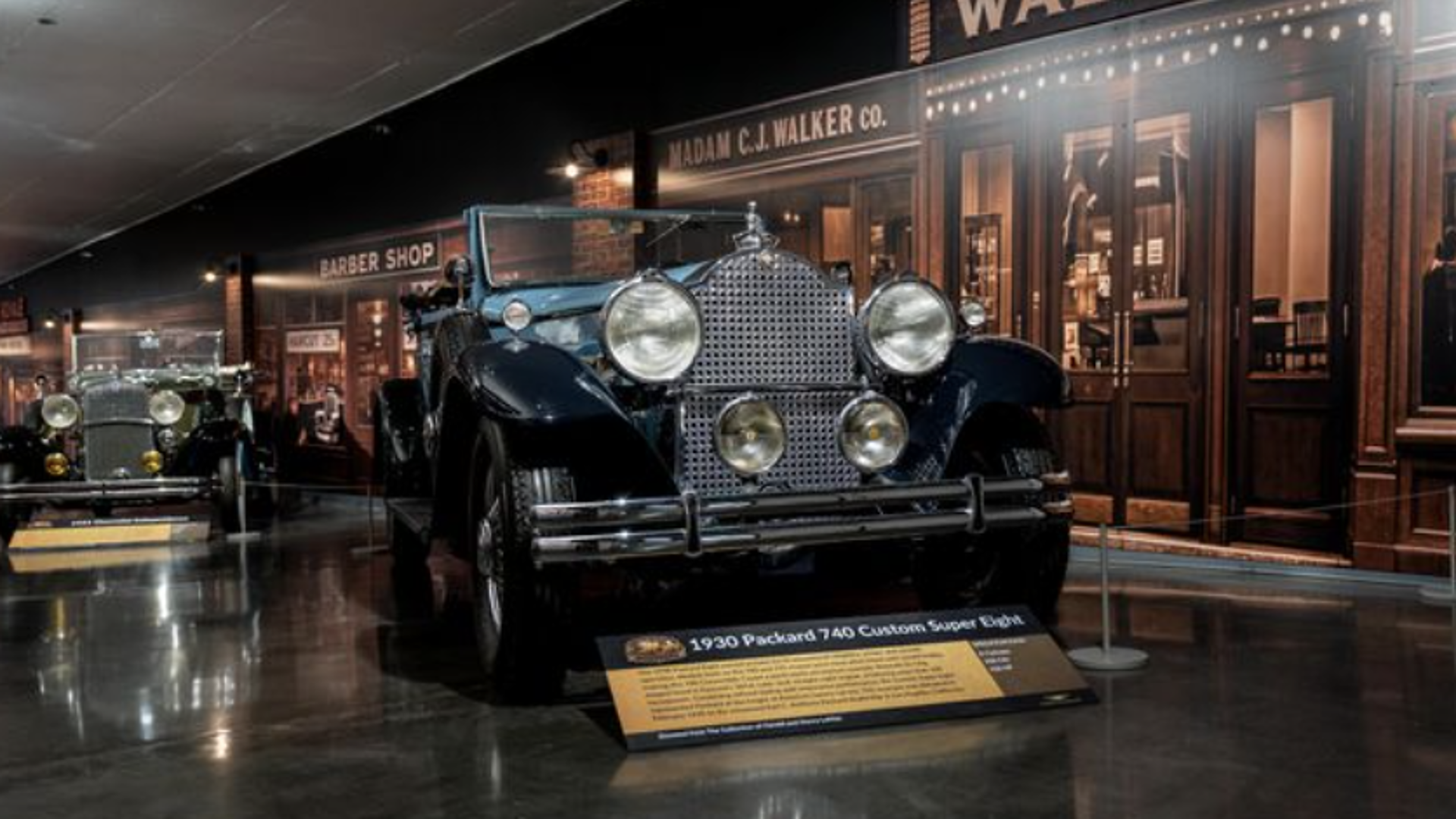
Barn finds usually mean a rusty Mustang and an optimistic asking price. Ed Welburn’s was the car Charlie Wiggins built from junk parts and raced to four Gold & Glory titles, missing for nine decades.
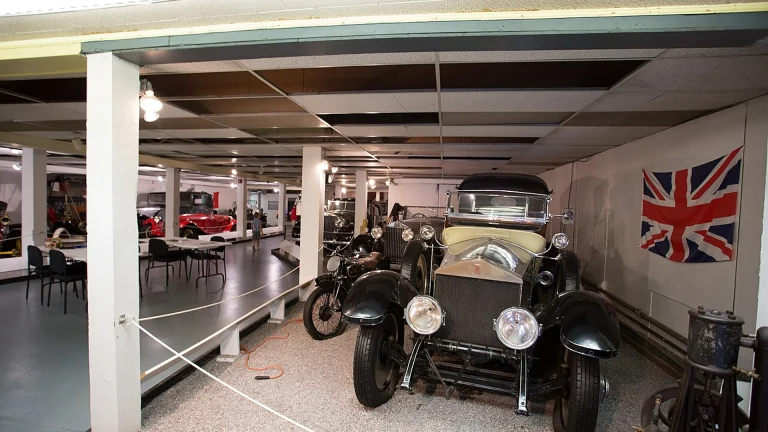
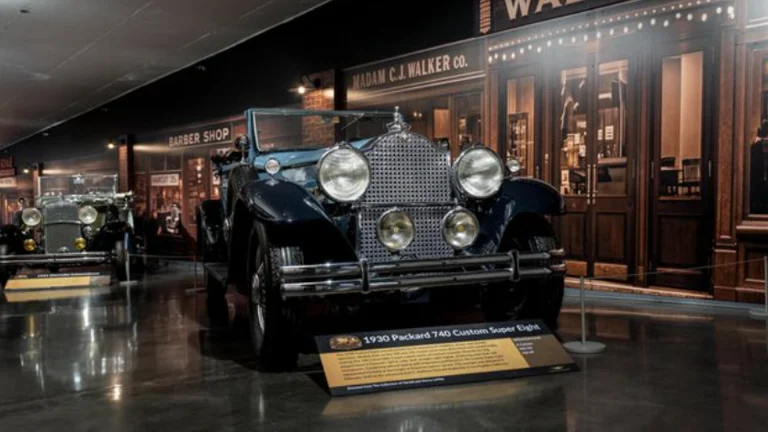
LeMay – America’s Car Museum in Tacoma, Washington, opened For Gold & Glory on September 19. The exhibition is built around Charlie Wiggins, the Black driver, mechanic and builder who dominated a racing world most fans have never heard of. Its centerpiece is the Wiggins Special, the one-off car he built himself and drove to four Gold & Glory Sweepstakes titles. Three months before opening day, nobody knew where it was.
Junk parts, no Indy entry
Wiggins was born in Evansville, Indiana, in 1897. According to his historical marker, he became the city’s first African American mechanic in 1917, moved to Indianapolis in 1922, and built his first race car from junk parts. The same marker notes that top white drivers, including 1934 Indy 500 winner Bill Cummings, regularly came to him for mechanical help. Indy’s top drivers would take his wrenching. Indy wouldn’t let him race.
Related Articles
- Tony Stark’s One-Off Acura NSX Roadster Is on Cars & Bids for Charity, but Read the Words ‘Prop Car’ Twice
- A TikTok Account Slapped ‘Wheelies Mean Jail’ on an Ormond Beach Police Clip. Florida Law Says Not Without a Street Takeover — Watch
Shut out of Indy, Black racers built their own championship. The Gold & Glory Sweepstakes ran on the Indiana State Fairgrounds oval from 1924 to 1936, drawing crowds of up to 10,000 spectators, according to Indiana’s historic preservation office. Wiggins lost a leg in a multi-car wreck at the final running in 1936 and never raced again.
The museum kicked off the exhibition’s publicity campaign on August 7, exactly 100 years after Wiggins won his first championship in the Special.
From a barn to the museum floor
Guest curator Ed Welburn, General Motors’ former vice president of global design, tracked the car to a barn in Ohio. The museum says he discovered the car and confirmed its identity there. It was in pieces.
Those parts went to The NB Center for American Automotive Heritage in Allentown, Pennsylvania. Its team worked on preserving and reassembling the car, and the museum says the work began within days of the discovery. From there the car made it to Tacoma in time for the unveiling.
Pay attention to the museum’s verbs. “Preserving and reassembling” is not the same as “restoring,” and on a 1920s dirt-track car, the difference is what survives:
- Restoration usually means making a car look as it did when new. That often means replacing corroded metal, refinishing surfaces and fabricating missing parts.
- Preservation keeps original material wherever possible, along with its wear, repairs and scars. On a dirt-track car from the 1920s and ’30s, that wear is the record. Welds, patches and modifications show how a builder improved his car from season to season. Grind them away and you lose evidence nobody can recreate.
What the museum hasn’t published is how the car was authenticated. That evidence might include period photographs, unique fabrication details, documented ownership history, or all three. For a one-off car that disappeared for nine decades, the paperwork is its only alibi. Until then, the identification rests on Welburn’s assessment and the museum’s endorsement. Those are serious credentials, but they aren’t public documentation.
Why the car beats the plaque
Wiggins’ story has been told before, in documentaries, a book and Indiana historical markers. What was missing was the object.
Racing history tends to stick to the people whose cars survived in museum collections. A driver whose machine disappeared becomes a footnote with a photograph. With the Special now on display, visitors can study how a self-taught builder, shut out of factory budgets and the Speedway’s garages, solved the same problems the well-funded teams faced on the same type of dirt.
In the museum’s announcement, Welburn put the goal this way: “My hope is that people walk into this exhibition not knowing his name and leave inspired by his story and unbelievable perseverance.”
Related Articles
- Queen Elizabeth II’s Bentley Showed Up to Auction Without Its Handbag Tray, and Nobody Met the Reserve
- Denny Hamlin Says 4 Out of 5 NASCAR O’Reilly Series Drivers Are Paying for Their Seats
Wiggins’ great-niece, Angie Rodgers, traveled across the country with her two sons to see the car. The museum says it was the first time the family and the Special had been together in nearly a century.
Seeing it
For Gold & Glory runs at LeMay – America’s Car Museum, 2702 E. D St. in Tacoma, for 12 months from its September opening. The museum says more than 1,000 people visited on opening day. It has also released an eight-minute film documenting the discovery and reassembly of the car.
Go look at the welds; that’s where this car’s history is written. Then tell us: should the museum publish how it authenticated the car, or is Welburn’s word enough?
Images Via: Lemay – America’s Car Museum
About the Author