Toronto Police got the call just before 6 a.m. on Tuesday: two vehicles stuck in the sand at Woodbine Beach. What responding officers found wasn’t a couple of teenagers who’d wandered too close to the water in a borrowed hatchback. It was a pair of Porsche Panameras, nose-down in the sand a few feet from Lake Ontario, going nowhere under their own power.
A photo posted to Reddit’s r/toronto board captured the aftermath: two dark Panameras sitting low in the sand near the shoreline, tires sunk well past their sidewalls, with a marked Toronto Police cruiser parked alongside, lightbar still going. The caption was blunt about what everyone assumed had happened. Within a day, the post had pulled in more than 3,000 upvotes and hundreds of comments, which on Reddit counts as a unanimous jury verdict.
Toronto Police confirmed there was “no criminality involved in this,” though one of the two cars had to be towed out of the sand. No charges were laid against either driver.
That’s a more forgiving outcome than the local geography suggests it should be. Woodbine Beach has no direct road access — the only vehicle entrance anywhere near that stretch of shoreline runs through Ashbridge’s Bay Park off Lake Shore Boulevard. Commenters on the original thread, several of whom said they walk the area regularly, pointed out that reaching the exact spot where the cars sat would have required driving over pedestrian and cycling paths, cutting across grass, then dropping off a boardwalk that sits roughly a foot above the sand. None of that happens by accident or a bad GPS route. Somebody made a deliberate string of decisions to get two Panameras onto a beach that was never built for cars in the first place.
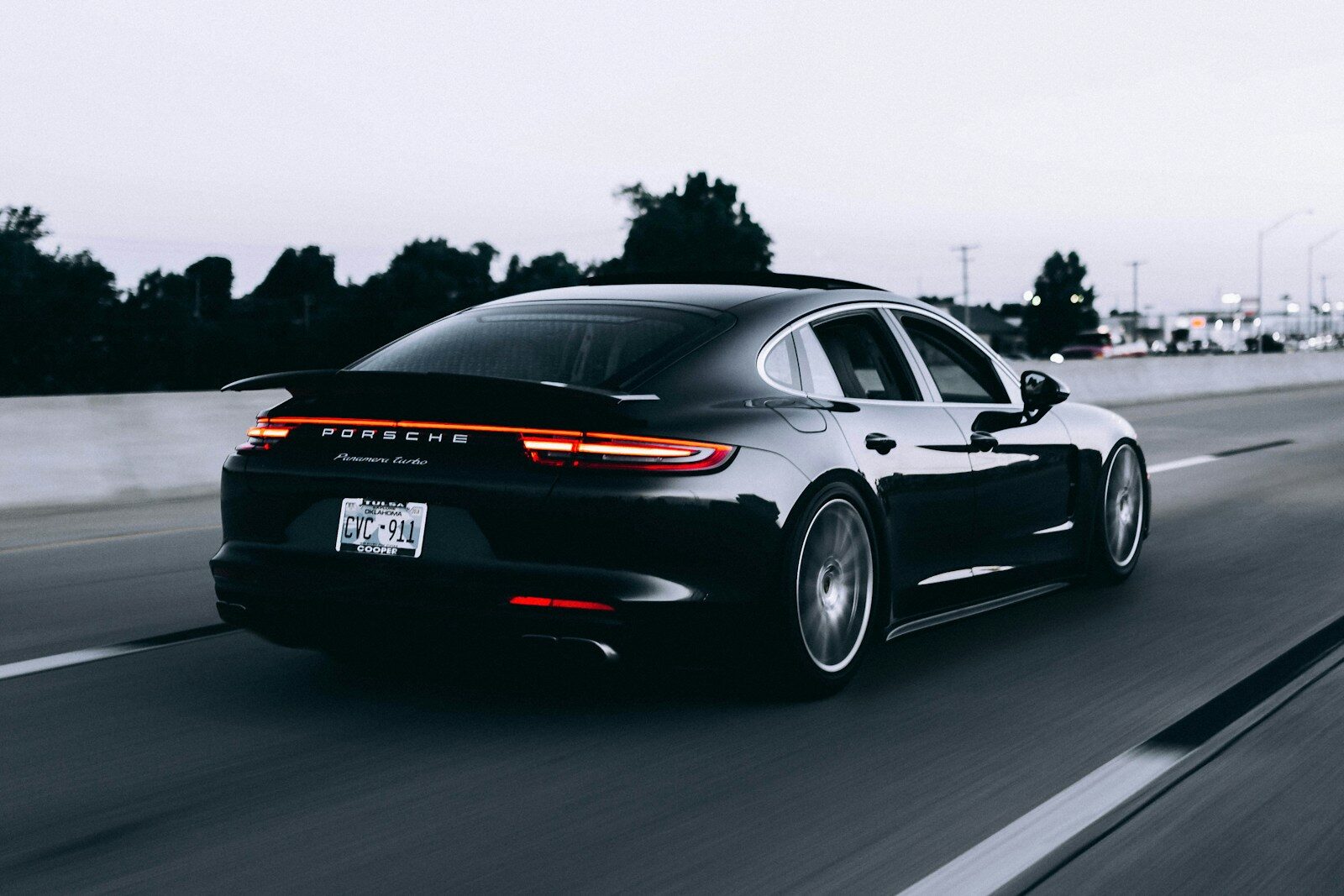
It’s also a strange car to make that decision with. The Panamera is a nearly 5,000-pound sports sedan built around a low unibody, staggered performance tires, and, on most trims, an underbody aero package that hangs closer to the ground than any beach outing calls for. Soft sand doesn’t reward weight or horsepower; it rewards ground clearance and a wide contact patch, and a Panamera has little of either. Once the front end dug in, spinning the rear wheels to power out would have just packed more sand into the wheel wells and control arms, and likely cooked a clutch pack in the process. Calling a flatbed instead of trying to reverse out under power was the one decision in this whole story that actually made sense.
Lake Ontario is fresh water, not salt, so neither car is walking away with the kind of corrosion problem a beach mishap on the Atlantic or Pacific coast would cause. That’s the good news. The less good news is that sand doesn’t need salt to cause damage. It works its way into brake ducts, cooling intakes, suspension bushings, and the parking sensors tucked behind front and rear fascias on a car this modern. A shop bill after an afternoon like this usually isn’t about bent metal; it’s about labor hours spent pulling wheels, flushing brake assemblies, and blowing sand out of housings that were never designed to filter beach grit.
Financially, this is the kind of loss comprehensive coverage is built for, since nothing about it involves hitting another vehicle. But adjusters have gotten sharper about claims tied to content creation, and a loss that traces back to a deliberate off-property drive for a photo invites more questions than a car that simply slid off an icy driveway. Driving somewhere a vehicle was never meant to go can shade a claim from accident toward avoidable, and that distinction matters when an insurer decides how much friction to apply before cutting a check.
Whether the drivers answer to anyone beyond Toronto Police is still an open question. Officers handle the Criminal Code side of things; the municipal parks bylaws that govern vehicle access to city beaches are typically enforced separately, by parks or bylaw officers rather than the patrol officers who responded to a stuck-car call. A clean bill from police doesn’t automatically mean the file is closed everywhere.
None of this is exactly novel. Chasing a striking backdrop has been pushing drivers onto terrain their cars have no business touching for as long as phones have had cameras, and the pattern of grabbing the shot first and dealing with consequences later shows up everywhere from public beaches to mountain roads where local authorities have grown tired enough of it to start promising real consequences for repeat offenders. Porsches in particular have a habit of turning routine encounters with law enforcement into much bigger stories than a tow bill.
This pair got off easy: a tow bill, an insurance call, and a viral photo that will outlive the memory of whatever shot they were actually trying to get. The next time the plan calls for a moody waterfront backdrop, the correct location scout is a marina parking lot, not a moving vehicle on a public beach.
About the Author