Screenshot
Something finally snapped on Blood Mountain. A road already known for high-speed runs and weekend racing now has law enforcement ready to clamp down hard, no warnings, no light touch, just jail time and tow trucks waiting on the shoulder. The shift comes right after a deadly wrong-way crash that killed a local teenager, and the tone has clearly changed.
A Brutal Weekend That Forced the Issue
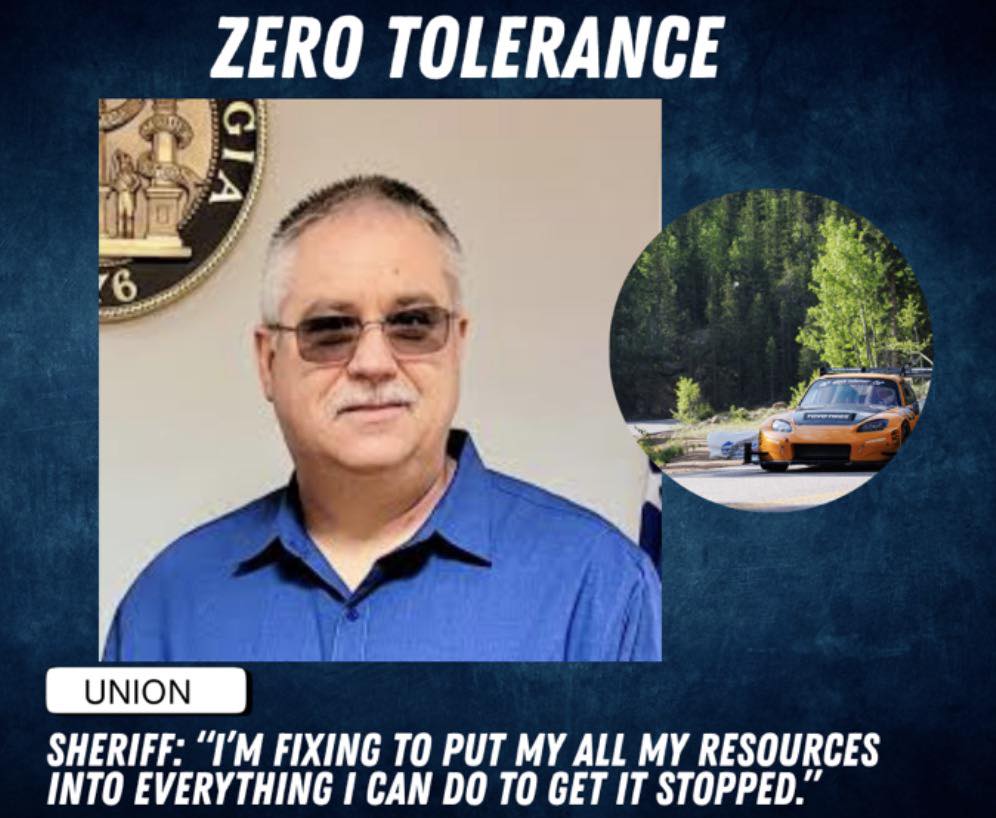
Union County Sheriff Shawn Dyer isn’t easing into it. He’s going all in. The announcement followed a brutal weekend that stacked one incident on the next: a young local died in a crash on Blood Mountain, and almost simultaneously deputies were chasing a motorcyclist accused of fleeing at around 90 mph, on the wrong side of the road. That alone says how far off the rails things have gotten.
And this isn’t just talk. Dyer says his department is throwing serious resources at it: more patrols, more attention, less patience. He’s also pulled in the Georgia State Patrol, which could put even more units on a road that already sees frequent enforcement. For Blood Mountain, that’s a real escalation.
Why This Stretch of Road Draws So Much Trouble
The Suches area has a reputation, and everybody knows it, drivers, riders, all of them. It’s a destination for people who want to push their cars and bikes through tight curves and elevation changes. The problem is the slice that doesn’t keep it under control, and when that line gets crossed on a road with blind corners, the consequences aren’t small.
Dyer claims reckless driving in Union County is worse than anywhere else in Georgia, a bold statement in a state with 159 counties. But look at how often things go wrong on that stretch and it’s not hard to follow his logic. There’s rarely a quiet month. Chases happen. High-end performance cars blowing past the 45 mph limit barely register as news anymore. Locals expect it, and that’s a bad place for any public road to be, especially one with limited visibility and tight turns.
Here’s the nuance: not everyone up there is reckless. Plenty of enthusiasts go to roads like Blood Mountain simply because they love to drive, and that’s not the issue. The issue is the small group treating it like a track, ignoring the law and basic safety, and putting everyone else on the road at risk. Dyer isn’t separating those groups right now, his message is broad and blunt: drive recklessly and you face consequences, period. From where he sits, that’s the only way to reset things.
Towed Cars and Jail Time as Deterrents
He also clearly believes some drivers have gotten too comfortable, that certain performance-car owners think they can roll in, push the limits, and leave without paying for it. That mindset is exactly his target. The road is still a public highway, he wants them to know, not a playground.
And the timing isn’t random. A fatal crash changes the conversation fast, flipping it from frustration to urgency. Once someone local loses their life, the pressure to act lands immediately. So the response is heavy: more patrol presence, tighter coordination with state troopers, fewer gaps in coverage. The threat of getting your car towed on the spot adds a layer drivers can’t shrug off, losing your car, even briefly, stings more than a ticket.
Then there’s jail. Getting arrested for reckless driving isn’t something most people brush off, especially with extra charges tied to fleeing or dangerous behavior. The goal is simple: make the risk high enough that people stop pushing it.
Whether the Crackdown Actually Sticks
Whether it works is another question. Roads like Blood Mountain have a long history with car culture, and that doesn’t vanish overnight. But enforcement can change behavior, at least short-term, and the rest depends on consistency. If deputies and troopers stay visible, drivers adjust. If it fades, the old patterns come back. That’s usually how these go.
For now, the message is loud and clear. Drive like it’s a racetrack, and you’re not just getting pulled over. You’re probably walking home.
Source
About the Author