
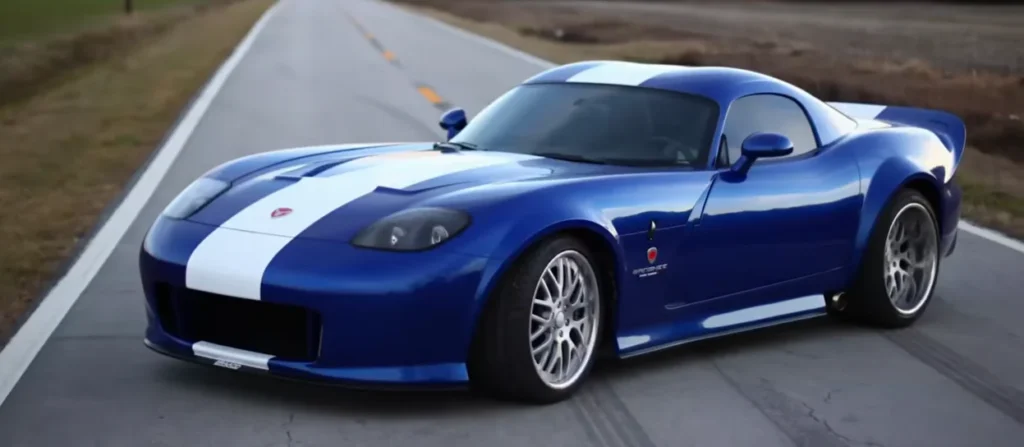
A North Carolina grandmother handed her son a credit card so he could download a copy of Grand Theft Auto V back in 2013. That’s it — that’s the whole transaction. Except the purchase came bundled with an entry into a promotional sweepstakes tied to one of the biggest video game launches in history, and a few weeks later a 56-year-old woman named Parker found herself standing next to a custom-built Dodge Viper with her name on the paperwork.
A Giveaway That Landed Somewhere Unusual
Rockstar Games’ promotional partners regularly attach sweepstakes to major releases, and GTA V’s 2013 launch was massive enough to justify a genuinely serious prize: a one-off Viper built by a known name in the custom car world. Most of these contests are designed with a certain kind of winner in mind — someone already embedded in car culture or gaming fandom who’ll treat the prize as validation. Parker wasn’t that person. She was a grandmother who’d handed over her card for a video game and forgot about the fine print, which is exactly why the story spread the way it did.
Driving It Made the Contrast Impossible to Ignore
Parker and her son didn’t let the Viper sit under a cover. They actually drove it, and that decision is what turned a quirky local news item into something people kept talking about. A Viper draws attention anywhere it goes, but a Viper being driven by someone who never set out to own a supercar in the first place draws a different kind of attention. Other drivers pulled alongside just to confirm what they were seeing. The car was built for speed and spectacle; the person behind the wheel had no interest in either — and that mismatch is exactly why the story stuck.
The Part Nobody Warns You About: Owning a One-Off Car
Winning a custom supercar sounds like the end of the story, but it’s really where the complications start. A car like this isn’t a stock Viper — it’s a one-off build tied to a specific marketing moment, which makes it fascinating to look at and genuinely difficult to sell. Buyers who’ll pay Viper money want either a numbers-matching factory car or a build from a shop with an established resale track record. A promotional one-off checks neither box cleanly. On paper it has everything going for it: rarity, a story, a recognizable builder. In practice, unique doesn’t always translate to marketable, and that gap between perceived value and actual buyer interest is something owners of one-off cars run into constantly, long after the excitement of winning fades and the insurance bill arrives.
The Sale, and the Reality Check That Came With It
The Viper eventually did sell, but not for what anyone expected when the giveaway was first announced. On January 30, 2015, it went for $80,100 — less than half of what the car had originally been valued at. That’s a steep discount for a car with a genuinely rare backstory, but it lines up with how the custom-car market actually behaves: a build’s marketing story and its resale price are two very different numbers, and buyers ultimately pay for the car in front of them, not the promotion that built it.
Where the Money Went
Parker didn’t walk away from the sale empty-handed, and she had a specific plan for the proceeds: helping pay for her son’s college education. It’s a detail that grounds the entire story. What started as a routine credit-card swipe for a video game ended up funding something far more practical than a supercar, which says more about the outcome than the Viper itself ever could.
Why This One Still Resonates
Car giveaways happen constantly, but they usually land with people who are already part of that world and treat the win as expected. This one didn’t follow that pattern, and that’s exactly why it’s still worth telling years later. It wasn’t about chasing profit or flipping a car for a quick payday — it was about how fast an unplanned windfall can turn into a real decision with real consequences, from insurance and upkeep to the eventual sale. A video game purchase turned into a supercar, and that supercar turned into a responsibility that had to be managed like any other asset. The car eventually moved on. The story about how an ordinary purchase turned into a five-figure decision didn’t.
About the Author