Louisiana wants your blinker on for at least the last 100 feet before a turn. Under La. R.S. 32:104, a driver turning left or right must signal continuously for at least the last 100 feet before the turn. That one measurement is now the hinge of a federal case. Two Alexandria police officers tried to end the case early with qualified immunity, and the Fifth Circuit refused, at least on the claims that matter most to drivers.
A Mustang, a blinker and a green light
The facts below come from the Fifth Circuit’s September 22 opinion in Rosales v. Lewis. Because of how the case reached the court, these are the plaintiffs’ allegations, accepted as true for now. They have not been proven.
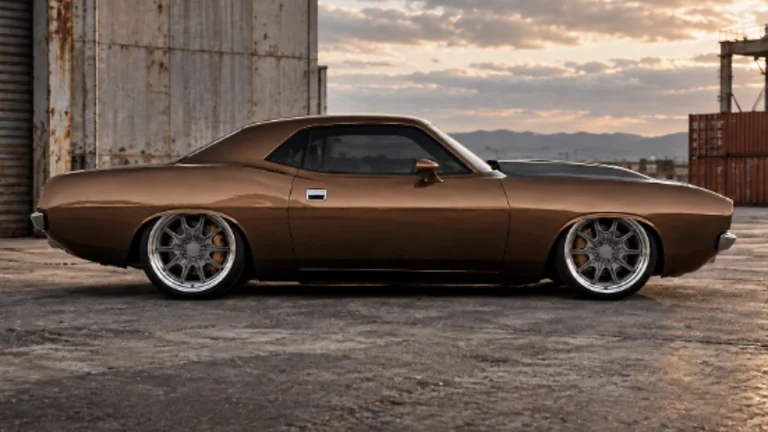
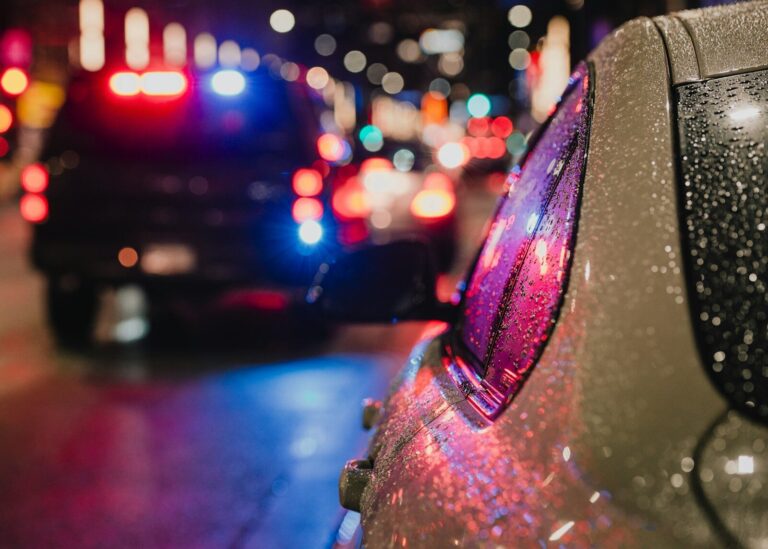
Around 5 p.m. one day in June 2022, Mario Rosales was driving a Mustang with New Mexico plates through Alexandria, with Gracie Lasyone riding along. He changed lanes, stopped at a red light with his left turn signal on, and turned when the light went green. An Alexandria police vehicle behind him then pulled him over.
Related Articles
- A West Virginia Strawberry Farmer Died After a 120-MPH Chase, and Her Family’s Suit Says Spike Strips Went Across Live I-64 Traffic
- McLaren Is Ending the 750S in 2027, and Its Hydraulic Steering and Roll Control Are Going to Be Hard to Find
Officers Samuel Terrell and Jim Lewis ordered both occupants out. They had seen ammunition in the open glovebox, and Rosales told them a gun was in a bag in the back seat. Terrell frisked him. Lewis read him his Miranda rights and searched his pockets. The officers then questioned the pair separately about drugs, residency, arrest history and travel. They also refused requests to record the encounter on the couple’s phones, saying their body cameras were already recording.
About 21 minutes after the stop began, Rosales was cited for failing to signal, failing to register his vehicle in Louisiana, and a third registration-related violation. All of the citations were later dismissed.
The Institute for Justice, which represents the couple, said when it filed suit that Rosales had gone to businesses near the intersection and found footage showing his blinker on. That was before police footage was turned over.
What the court decided
The officers asked for judgment on the pleadings based on qualified immunity. A federal magistrate judge recommended denying that request, and the district judge agreed. The officers then appealed. The three-judge panel (Judges King, Smith and Ramirez) split its ruling by claim.
The stop itself: The claim survives. The panel said the video shows the signal blinking, but not when it was turned on, so it can’t confirm or rule out the 100-foot requirement. At this stage the court has to read that uncertainty in the driver’s favor. Video can override a plaintiff’s version only when it clearly contradicts it, and this footage doesn’t. The court also said it is clearly established law that an officer can’t stop a car without reasonable suspicion and then make up a violation.
That last point matters because of Whren v. United States, which lets police use a minor real violation as a pretext to stop someone they want to investigate. The officers tried to rely on Whren. The panel rejected it because Whren only applies when the driver actually broke a traffic law, and the complaint alleges Rosales didn’t.
The frisk and pocket search: Both claims survive. If the stop was unlawful, the searches during it were too. The court also said the facts alleged, in daylight, in an area not described as dangerous, with a gun the driver disclosed in a bag, didn’t independently justify the frisk. It found that Rosales’s apparent consent to the pocket search was too closely tied to an illegal detention to count.
Length of the stop: This is a partial loss for the plaintiffs. The panel said running computer checks and asking about drugs are normally allowed during a traffic stop. Extending the stop to carry out unjustified searches was not.
Recording: The officers win this one. A 2017 Fifth Circuit case, Turner v. Driver, established a right to film police. The panel said that case didn’t address filming during your own detention or traffic stop, so the law wasn’t clear enough to deny the officers immunity. The court didn’t decide whether a First Amendment violation actually happened.
The fine print
The opinion is unpublished. Under Fifth Circuit rules, that means it isn’t binding precedent for other cases, so it shows how this panel reasoned without setting a rule for others. It also doesn’t mean the plaintiffs have won. The Fourth Amendment claims go back to the district court for discovery and possibly a trial, where the officers can argue that the signal came on too late.
What to do with this before your next left turn
Signal well before the 100 feet. If you switch the blinker on just before a turn at a red light, whether you complied can come down to footage. Louisiana’s statute, and the many state laws written the same way, measure distance traveled, not good intentions. Signal early and give any camera a clear record.
Related Articles
- Revell Sells Hopper’s Stranger Things Blazer as a 1985. Its Own Blog Says 1980, and Neither Page Explains the Gap
- Cristiano Ronaldo Is Done With Portugal, but His Car Collection Is Just Getting Started
Out-of-state plates draw attention. Two of Rosales’s three citations involved registration. If you’ve moved and your plates still say somewhere else, expect police to ask about it. Know your new state’s deadline for switching your registration.
Footage decides cases. Nearby business cameras, dashcams and police video are what took this case from a disputed traffic ticket to a federal lawsuit. Keep your dashcam clips.
Filming a stop involving you is legally unsettled. In the three states the Fifth Circuit covers, Texas, Louisiana and Mississippi, this ruling means officers who stop you from recording your own traffic stop are likely to be shielded by qualified immunity, at least until a published opinion says otherwise. You can still choose to record, but don’t expect a civil-rights claim if an officer tells you to stop.
The Fifth Circuit didn’t decide whether Rosales signaled in time. That question goes to evidence in the district court, not a motion to dismiss. And if an officer in Texas, Louisiana or Mississippi tells you to put the phone down mid-stop, do you keep filming anyway?
About the Author