Tommy Baldwin Jr. didn’t wait for a press release, a team statement, or a reporter to ask the obvious question. He said it himself, less than a minute into the July 27 episode of his own show, Door Bumper Clear. Co-host Freddie Kraft asked what was going on. Baldwin laughed, then confirmed it: he’s no longer Rick Ware Racing’s competition director.
The explanation was short and refreshingly free of spin. Baldwin said he and team owner Rick Ware agreed that “our expectations were not aligned anymore,” and that both men chose to part ways rather than let the disagreement chip away at what he described as a genuinely good friendship. No shots fired, no lawyers mentioned, no vague corporate gratitude. For an industry that usually wraps these moments in a press release full of platitudes, it was a strikingly unpolished admission, the kind that only happens when the guy leaving also happens to be holding the microphone.
What a Competition Director Actually Signs Up For
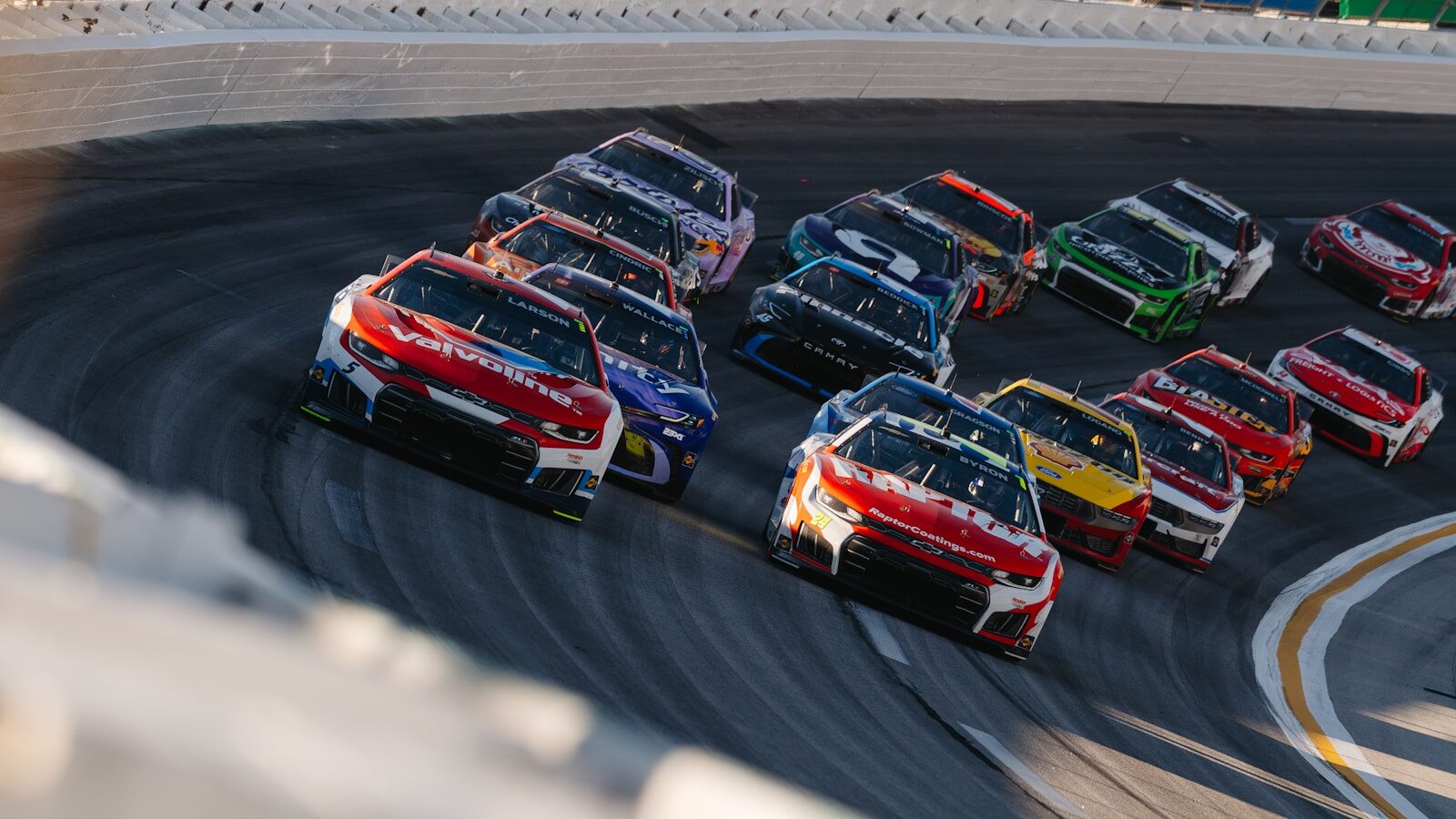
The title sounds bureaucratic, but at a shop the size of Rick Ware Racing it means something closer to everything, all at once. RWR fields the No. 51 Chevrolet in NASCAR Cup Series competition with Cody Ware, runs a part-time ARCA Menards Series program, fields cars on the CARS Tour, and, a detail that surprises people outside the garage, backs Top Fuel and Funny Car entries in NHRA drag racing alongside a full rider lineup in World Supercross. A competition director at that scale isn’t managing one crew chief and one shop; he’s trying to keep engineering, staffing, and race-day strategy pointed in a coherent direction across four completely different disciplines, all coordinated out of one Concord, North Carolina base that, just two weeks earlier, was also fielding a Cup entry at the revived North Wilkesboro Speedway.
A Resume Most Competition Directors Would Envy
Baldwin isn’t an anonymous name plugged into an org chart. He won the 2002 Daytona 500 as Ward Burton’s crew chief at Bill Davis Racing, then helped Kasey Kahne capture NASCAR’s Rookie of the Year honors at Evernham Motorsports two seasons later. He launched Tommy Baldwin Racing as a Cup Series owner in January 2009, memorably fielding a Daytona 500 car built largely by crew members who’d been laid off elsewhere during the recession, and ran it as a full-time team through 2016, cycling through drivers from Dave Blaney to Regan Smith to a young Alex Bowman. In 2012, he sold his team’s owner points to Stewart-Haas Racing, a transaction that helped lock Danica Patrick’s entry into that year’s Daytona 500. Away from the Cup garage, he’s spent recent years building one of the stronger Modified racing programs in the Northeast alongside his sons Jack and Luke, work he kept up even through a cancer diagnosis in August 2023, just months after joining Rick Ware Racing.
This Wasn’t His First Awkward Exit
Baldwin has done this before, and not always this smoothly. He joined the fledgling Halmar Friesen Racing Truck Series program in 2017, then split from that team the same year, with co-owner Chris Larsen publicly attributing the breakup to a lack of on-track progress. That exit had an edge to it. This one didn’t, and the difference in tone says something. One was a business relationship that curdled in public; the other was two people who simply stopped wanting the same thing badly enough to keep forcing it, and said so themselves before anyone else could frame it differently. It’s also a reminder of how much more fluid these departures can be outside NASCAR’s biggest shops. Without a corporate exit process or a headline-grabbing non-compete to manage, a competition director at a team like RWR can walk away mid-season with a laugh and a podcast mic instead of a lawyer and a statement.
What Happens Next
Baldwin says he’s stepping back to spend time with his kids and sort out his options, while turning his attention to his Whelen Modified Tour program ahead of New Hampshire Motor Speedway at Loudon, a track where, by his own admission, his team has broken more than once in recent years. Rick Ware Racing hasn’t named a replacement, and the operation he’s leaving is more financially complex than its scrappy reputation suggests. RWR holds enough charter equity to lease one of its Cup Series charters to RFK Racing for both the 2025 and 2026 seasons, even as its own No. 51 continues racing as a chartered entry, the kind of asset that’s become so valuable that Front Row Motorsports fought NASCAR in court over it. Whoever takes the competition director’s chair next inherits a genuinely multi-series, multi-revenue operation, not just a start-and-park team chasing provisionals.
There’s a fittingly strange footnote to how the news broke. The same Door Bumper Clear episode that opened with Baldwin’s exit spent its next several minutes interviewing Corey Heim, fresh off winning the Brickyard 400 in a race weekend RWR had also entered. Baldwin helped coordinate that program. Starting with whatever comes next at Loudon, somebody else will.
About the Author