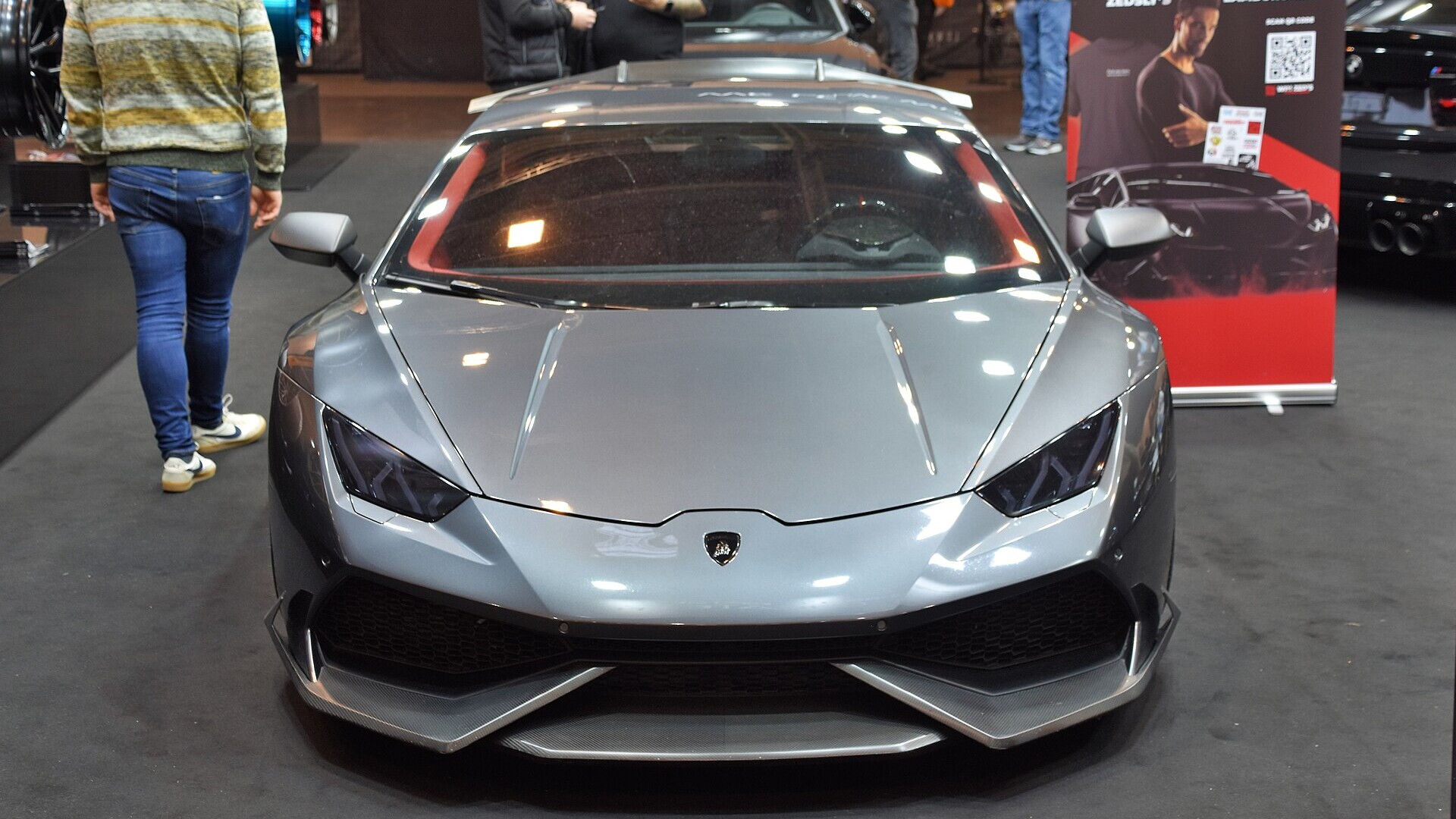
Photo: <a href="https://commons.wikimedia.org/wiki/File:Lamborghini_Hurac%C3%A1n_LP_610-4_(2017)_(52572033638).jpg">Charles from Port Chester, New York</a> / Wikimedia Commons / CC BY 2.0
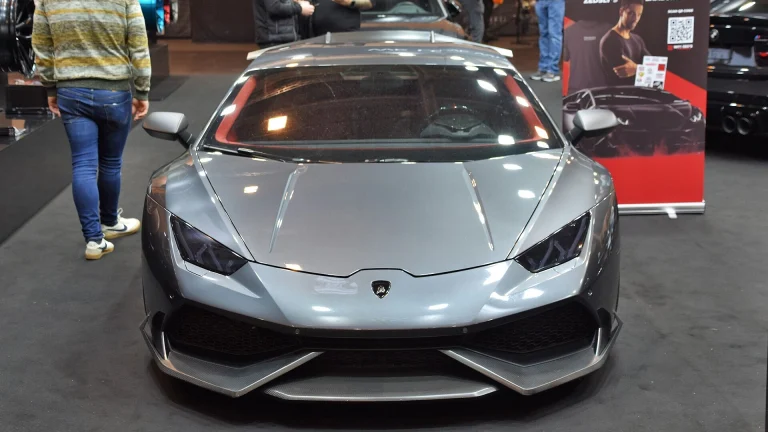
Clayton Lloyd Iley, a 41-year-old insurance broker from Stephenville, Texas, was sentenced to 160 months in federal prison on October 1, and the Justice Department says 17 of the more than 90 exotic cars he agreed to forfeit are already in government hands. The haul: four Lamborghinis, three Maserati MC20s, two Ferrari 488s, a Porsche Taycan, a Dodge SRT Viper and, tucked in at the end, a 1990 military-surplus truck.
U.S. District Judge Mark Pittman imposed the sentence in Fort Worth. Iley had pleaded guilty on June 17 to one count of wire fraud and one count of aggravated identity theft. According to the U.S. Attorney’s Office for the Northern District of Texas, from January 2020 through May 2026 he ran an insurance business out of Cross Plains and moved money through two other companies, Texas Legacy Holdings and Enterprises, LLC and Spartan Global Security, LLC, which did business as Black Eagle PMC. Prosecutors say he collected more than $2 million for a Department of Defense “Bonded Note” loan program that did not exist. He also took premium payments from insurance clients without opening the policies and opened credit cards in victims’ names, then put the money toward personal expenses and exotic vehicles.
What the government has in hand
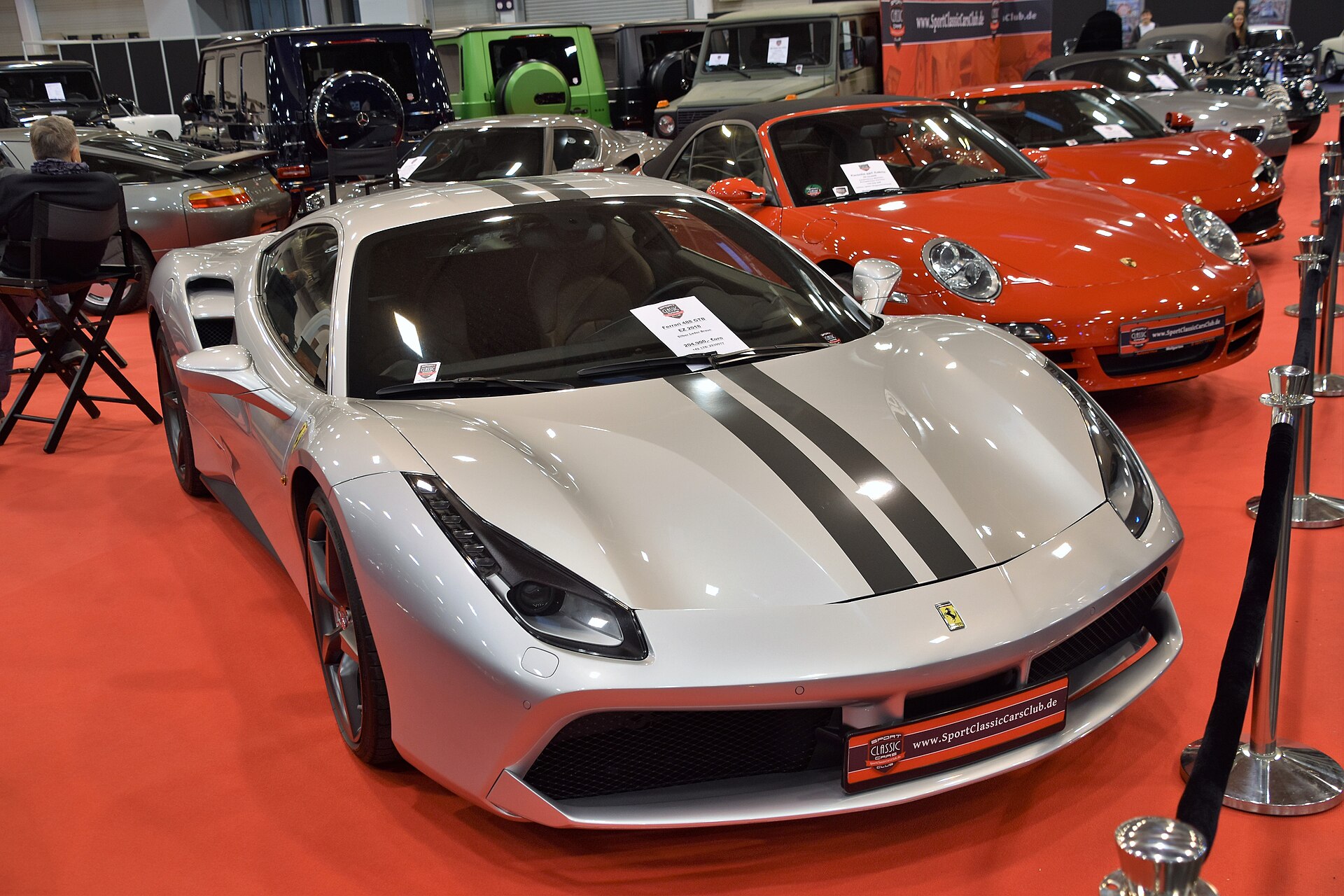
The sentencing release lists the 17 vehicles by make and model: four Lamborghinis (Aventador and Huracán), two Ferrari 488s from 2016 and 2018, three Maserati MC20s, a Porsche Taycan, a Toyota Tundra, a Dodge SRT Viper, a Jeep Gladiator, a 1968 Pontiac, and three military-surplus trucks built between 1989 and 1993. The release says they will be sold to fund restitution to victims.
The count has moved. When the same office announced the guilty plea on July 30, it said investigators had seized 22 vehicles. The October release says 17 and does not say why the number fell. NBC DFW reported, attributing it to U.S. Attorney Ryan Raybould, that about 90 vehicles have been seized in all but that 35 to 40 are in the government’s possession, with the rest going to banks that had equity in them. The Justice Department release does not repeat that breakdown.
Lenders can stand in line ahead of victims
That banks-with-equity detail matters because forfeiture does not erase a loan. Under 21 U.S.C. § 853(n), whose procedures federal law applies to fraud forfeitures, anyone other than the defendant who claims an interest in forfeited property can petition the court, generally within 30 days of notice. A lender wins by showing, to a judge and without a jury, either a legal interest that was superior to the defendant’s or that it bought its interest for value without reason to think the property was forfeitable. A bank holding a lien on a financed Huracán would likely argue the first. Whatever is left after the lender is paid is what can reach the victims.
NBC DFW reported that Raybould put the number of victims at well over 70 and that the restitution order tops $6 million. The Justice Department release gives no victim count and no restitution total, so treat both figures as NBC DFW’s reporting. If the $6 million is right, it is roughly three times the $2 million-plus the government ties to the fake loan program alone, and the cars have to sell for enough, after lenders, to make a dent. The U.S. Marshals Service, which handles the sales, says on its asset forfeiture page that $475 million went to crime victims and claimants in 2025.
How 160 months is built
Wire fraud carries up to 20 years, according to the plea announcement. Aggravated identity theft is a separate crime with a fixed penalty: 18 U.S.C. § 1028A requires an extra two years that generally cannot run at the same time as the sentence for the underlying fraud, and it bars probation. The release does not say how the judge divided the 160 months between the two counts.
Federal prisoners also do not leave on parole. Under 18 U.S.C. § 3624(b), an inmate serving more than a year can earn up to 54 days of credit for each year of the sentence imposed. Backfire News’s math on 160 months, about 13.3 years, is up to roughly 720 days, or close to 24 months, off the time served. The Bureau of Prisons calculates the actual release date, and the release does not give one.

The insurance clients
The exotic cars draw the attention, but the premium theft reaches ordinary drivers. A client who paid for a policy that was never opened had no coverage and no card to hand over. Texas requires drivers to carry liability insurance or other proof of financial responsibility. The Justice Department release does not say whether any client was stopped, cited or left with an unpaid claim, and it does not describe the policies involved.
Where this goes from here
Cars keep landing in forfeiture fights. Backfire News has covered a Baltimore car meet organizer sentenced to 96 months over stolen muscle cars and a Florida forfeiture fight over a 130-mph Corvette. In Iley’s case, the plea agreement committed him to forfeit more than 90 vehicles, well beyond the 17 the government lists as seized.
No sale date or lot list for the Iley vehicles appears in the Justice Department release or on the Marshals’ asset forfeiture page. That page does list a live vehicle auction run by Skipco Auto Auction on November 4, 2026, but nothing on it ties that sale to this case. Neither the Justice Department release nor NBC DFW’s report includes a statement from Iley or his attorney. The investigation involved the FBI’s Fort Worth Resident Agency, the Texas Rangers, the Texas Department of Public Safety and the Stephenville Police Department, and Assistant U.S. Attorney Mac McDonald handled the case for the government. Two things to watch: the Marshals’ lot list, and whether any lender files a claim against the cars.
Four Lamborghinis are in federal hands and the victims are waiting. Should the Marshals sell fast and pay them sooner, or hold out for collector money and make them wait longer?
About the Author