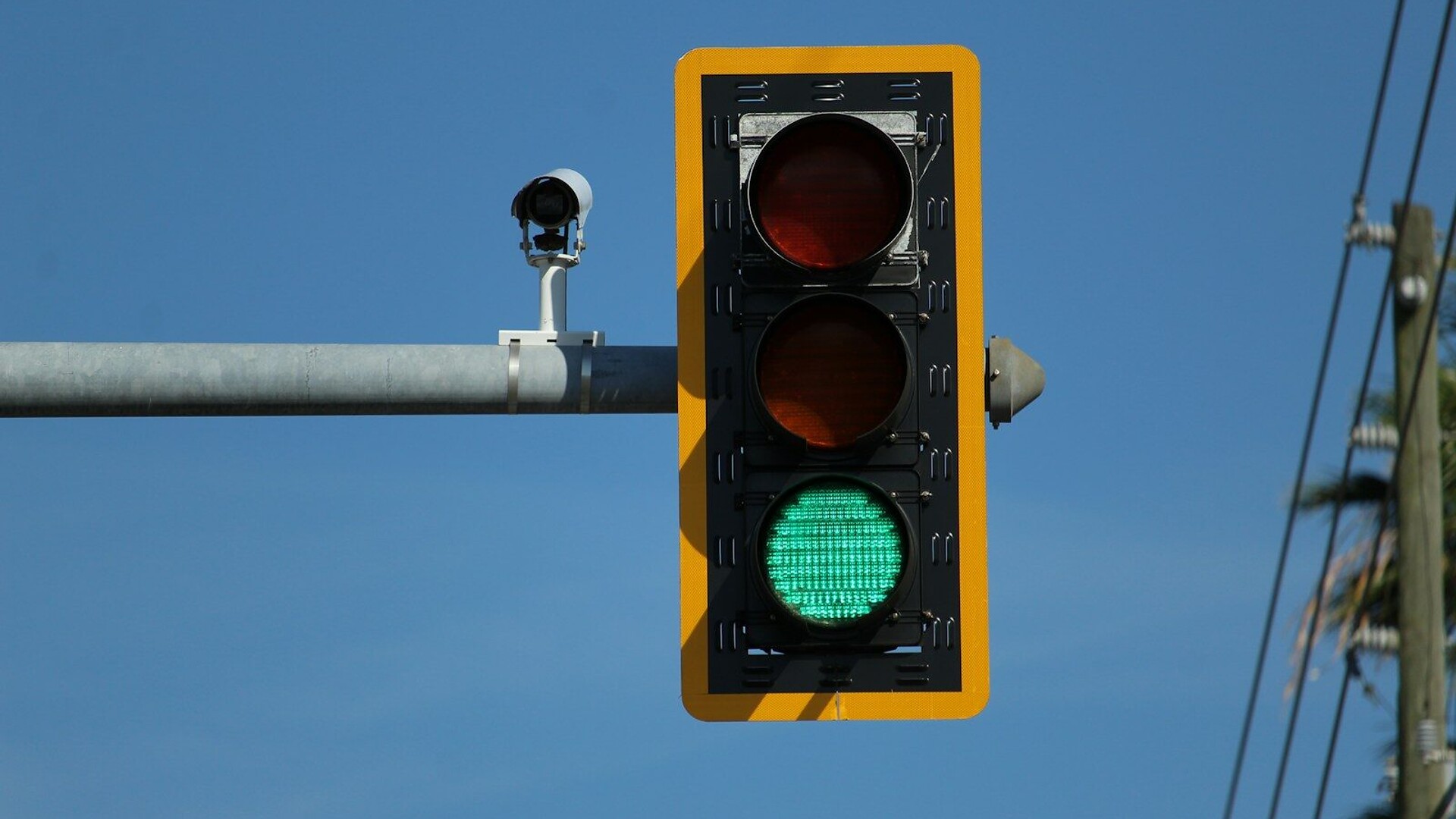
Most drivers think of a license plate reader as something that reads the plate. Flock Safety’s cameras do much more than that, and an Indiana Republican wants to keep the federal government from building databases out of what they collect.
Rep. Marlin Stutzman’s Don’t Spy on Me Act, H.R. 10609, was filed in late September with Reps. Andy Harris of Maryland and Pat Harrigan of North Carolina as cosponsors. It has been referred to Oversight, which is where most bills go to wait.
What a ‘vehicle fingerprint’ is
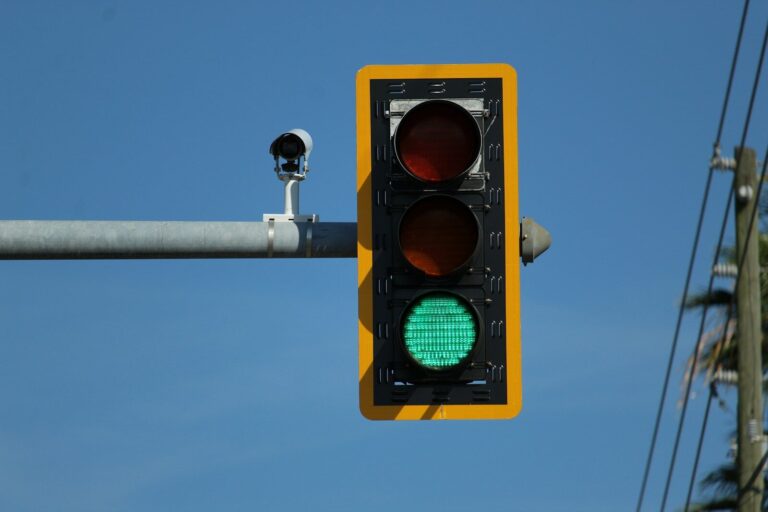
The bill uses Flock’s own marketing term. Flock contracts with local governments describe “Vehicle Fingerprint” as a set of captured vehicular attributes: type, make, color, state registration, missing/covered plates, bumper stickers, decals, roof racks, and bike racks. In other words, officers can search for a car without knowing its plate number. A description like “silver wagon, roof box, faded sticker on the hatch” can be enough. blob
Related Articles
- 76ers vs Pistons Cars: Philly’s $5.1M Garage Runs on LeBron’s 14 Cars, and Detroit’s Only Hint Is an Unpriced Veyron
- A Toyota Pickup on the 405 Wound Up With Long, Wrapped Cargo Through Its Cab, and CHP Says Only Minor Injuries
Here’s the enthusiast angle. Most of what makes a car identifiable to Flock is the stuff owners add themselves: a club decal, a Thule box, an aftermarket wing, a dented quarter panel you keep meaning to fix. A stock gray crossover blends in. A modified car doesn’t. The more personality your car has, the easier it is to find in a database. And swapping plates or covering them doesn’t help much, because the system specifically looks for missing and covered plates.
What the bill actually does
The core of the bill is one sentence: “The head of a Government agency may not establish or maintain a vehicle fingerprinting database.” A covered database is one that links a person’s name or a vehicle’s plate to plate-reader data, including physical details such as damage or bumper stickers, and location data, including where a car went and how often. stutzman.house.gov
The bill also lets anyone whose data ends up in such a database sue the agency in federal court. They could recover actual damages, $25,000 if the agency specifically targeted them, an injunction, and attorney’s fees. It creates no criminal penalties.
The definition of “Government agency” comes from a 1948 law about federal information programs. It covers executive departments, independent establishments and government-owned corporations. It doesn’t include your city police department, your county sheriff, your HOA, or the Home Depot parking lot camera.
The gap in the bill
Read the operative sentence carefully. It bars federal agencies from establishing or maintaining these databases. It doesn’t clearly bar them from querying a database that someone else maintains, such as a local department’s Flock system or the vendor’s own network. In his release, Stutzman describes the goal as stopping federal agencies from “creating unknown databases tracking who you are and where you’ve been.” Unless “maintain” is read broadly, a federal agency that searches someone else’s system may not be covered. That’s worth tightening if the bill moves. stutzman.house.gov
The bill also says nothing about warrants. There’s no warrant requirement and no exception for criminal investigations. As written, it’s a flat ban on federal databases, not a set of rules for how agencies use them.
The legal background
Courts have generally treated plate readers on public roads as fair game. A car in public has little expectation of privacy, the reasoning goes. The Supreme Court complicated that in Carpenter v. United States. There, it ruled that police generally need a warrant to obtain historical cell-phone location records, because a long record of someone’s movements reveals far more than any single moment in public does. A database that combines plate reads with vehicle details and logs how often a car visits each place starts to resemble that kind of record. Stutzman’s bill tries to deal with the issue through legislation before a court has to.
How long the data lasts matters as well. Flock’s evidence policy sets its standard retention period at 30 calendar days, and local governments can choose shorter periods.
Where it fits in the larger debate
Stutzman’s bill is one of several. In October, Sen. Bernie Sanders, Rep. Alexandria Ocasio-Cortez and Sen. Jeff Merkley released the Ban Flock Act. It would bar federal agencies from using plate readers at all and cut federal funding to state and local governments that use them. When a Freedom Caucus chairman and Bernie Sanders end up on the same side of an issue, that’s significant, even if neither bill becomes law.
Related Articles
- A 1964 Lusso From Samsung’s Late Chairman Sold in London for £1,028,750, and Its White Interior Is Only “Thought” Factory
- A Virginia Woman Says a Self-Described FBI Officer Stopped Her for the Left Lane, Then Showed Her Where Her Plate Had Been Scanned
Neither bill would ban the cameras themselves. Local governments decide whether to install them, so city councils and county commissions are still where they actually get approved or removed.
What drivers can do now
- Check your city’s Flock contract. Contracts are public records. Ask for the retention period, the list of agencies the data is shared with, and the audit logs.
- Remember the cameras catch paperwork problems too. Expired registration, a lapsed temporary tag or a missing plate can all trigger alerts. Keeping your registration current is the simplest way to avoid one.
- Expect identifiable mods to stay identifiable. No federal bill will change the fact that a lifted Tacoma with a light bar and a club sticker is easy to describe.
About the Author