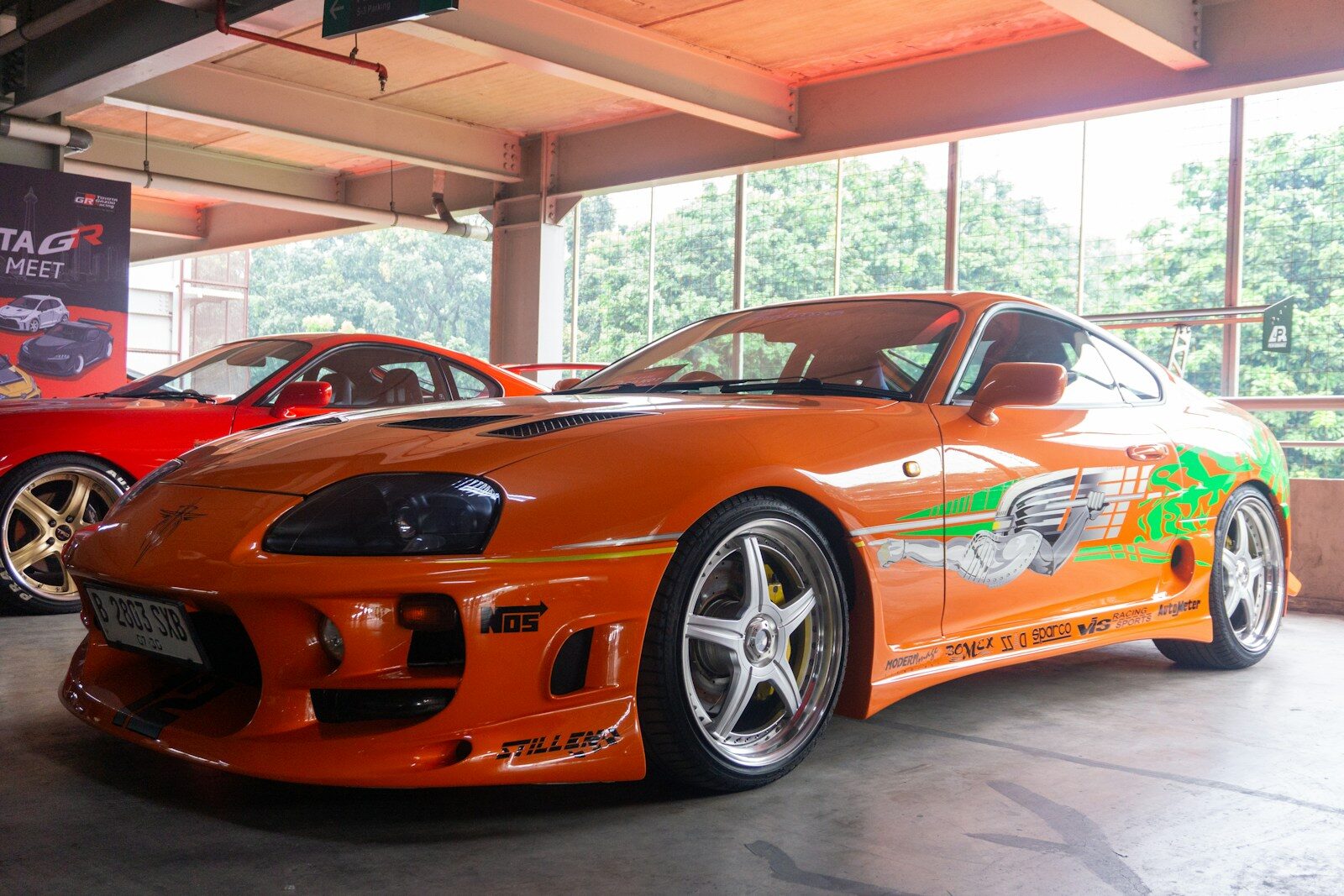
A car doesn’t have to change hands for the internet to decide it did. This week’s target was a piece of Fast & Furious history: the 1998 Toyota Supra Paul Walker’s character drove in Furious 7, the film he was making when he died in a November 2013 car crash. Social media had the car sold, auctioned off, and out of the family’s hands. None of that happened.
The correction came Thursday, straight from Paul Walker’s own verified Instagram account, still run by his family’s team. The statement didn’t hedge: Meadow Walker “did NOT sell nor auction” the car. It’s still hers, and it hasn’t left Los Angeles.
Context matters here, because this isn’t just any Supra. The car at the center of the rumor is the Mk4-generation Supra used during production of Furious 7, the film Universal built its tribute to Walker around after his death. That’s a different vehicle from the orange 1993 Supra that made Brian O’Conner famous in the original 2001 film, and the distinction matters to anyone shopping the movie-car market, where a “screen-used” or “picture car” label from the right production can swing a price by six figures depending on which film, which scene, and whether the paperwork actually backs it up.
Where the Supra actually is: the second floor of the Petersen Automotive Museum in Los Angeles, the same building that gave Ken Block’s Hoonitruck its own dedicated display a few years back. It’s part of an exhibit called A Fast & Furious Legacy: 25 Years of Automotive Icons, which opened in March 2026 and runs through April 4, 2027, included with standard museum admission. Universal Pictures backed the exhibit as part of the franchise’s 25th-anniversary push, a franchise that has since grown to 11 films and more than $7 billion in worldwide box office.
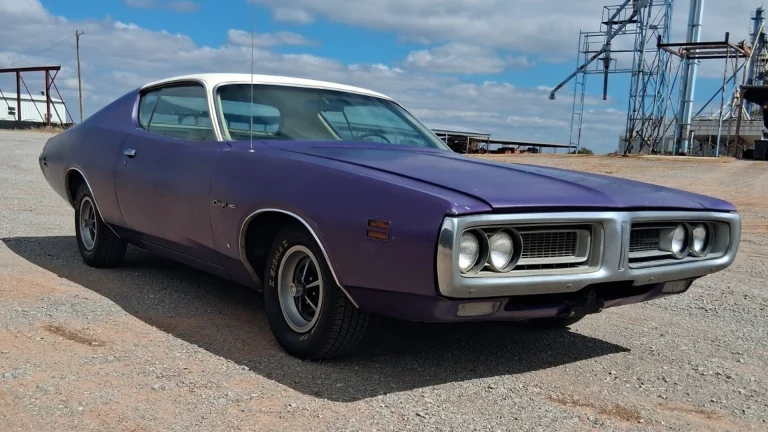
The Furious 7 Supra isn’t displayed alone. The Petersen has it sitting alongside the original 1993 Toyota Supra from the 2001 film, plus a rotating lineup of franchise hardware that includes the 1996 Acura Integra GS-R, the 1999 Nissan Skyline GT-R, a Mitsubishi Lancer Evolution IX built for Tokyo Drift, and the 1966 Chevrolet Impala SS from Fast X. Seeing both Supras in the same room, a five-year gap and two very different characters apart, is arguably a better story than the rumor that got people talking about the car in the first place.
It’s worth understanding why this particular rumor caught on, and why lending a car to a museum looks nothing like selling one. Comments piling up under an unrelated Paul Walker Foundation post days before the official denial made the same insinuation, suggesting Meadow was quietly selling off her father’s cars, which shows how fast suspicion spreads once a rare car gets anywhere near a spotlight. But a museum loan is a fundamentally different transaction than an auction consignment. The owner keeps title, negotiates a fixed-term loan agreement, and the museum typically carries fine-art-style insurance on the piece for the run of the exhibit, coverage that’s underwritten differently than a standard auto policy because the vehicle’s value rests on provenance and history rather than mileage or condition. No sale, no new owner, no change in the car’s legal status. It’s a display case, not a bill of sale.
Provenance is exactly why a Walker-connected car is worth paying attention to when one genuinely changes hands, the way his low-mileage Ford GT did when it surfaced for auction, or why clean Mk4 Supras keep climbing in value across the collector market independent of any celebrity connection at all. None of that demand explains this week’s rumor, though, because nothing here was ever for sale. It’s the same dynamic covered in our look at how celebrity ownership can add or kill a car’s value, just running in reverse.
If you want to gut-check the next celebrity-car rumor before repeating it, treat verified family and estate accounts the same way you’d treat a manufacturer statement: as the actual source, not a footnote. Auction houses document consignments with lot numbers and paperwork; museums document loans with agreements and gallery placards. A screenshot with a compelling caption is neither.
The exhibit gives fans roughly a year and a half to see the car in person before it’s due to leave the Petersen’s second floor. The franchise it belongs to isn’t slowing down either, with Universal and Vin Diesel still hashing out the budget for Fast 11, so there’s a decent chance another Supra, real or otherwise, ends up on screen again before this one leaves its case.
About the Author