Photo: Automotive Rhythms / Wikimedia Commons (CC BY-SA 4.0)
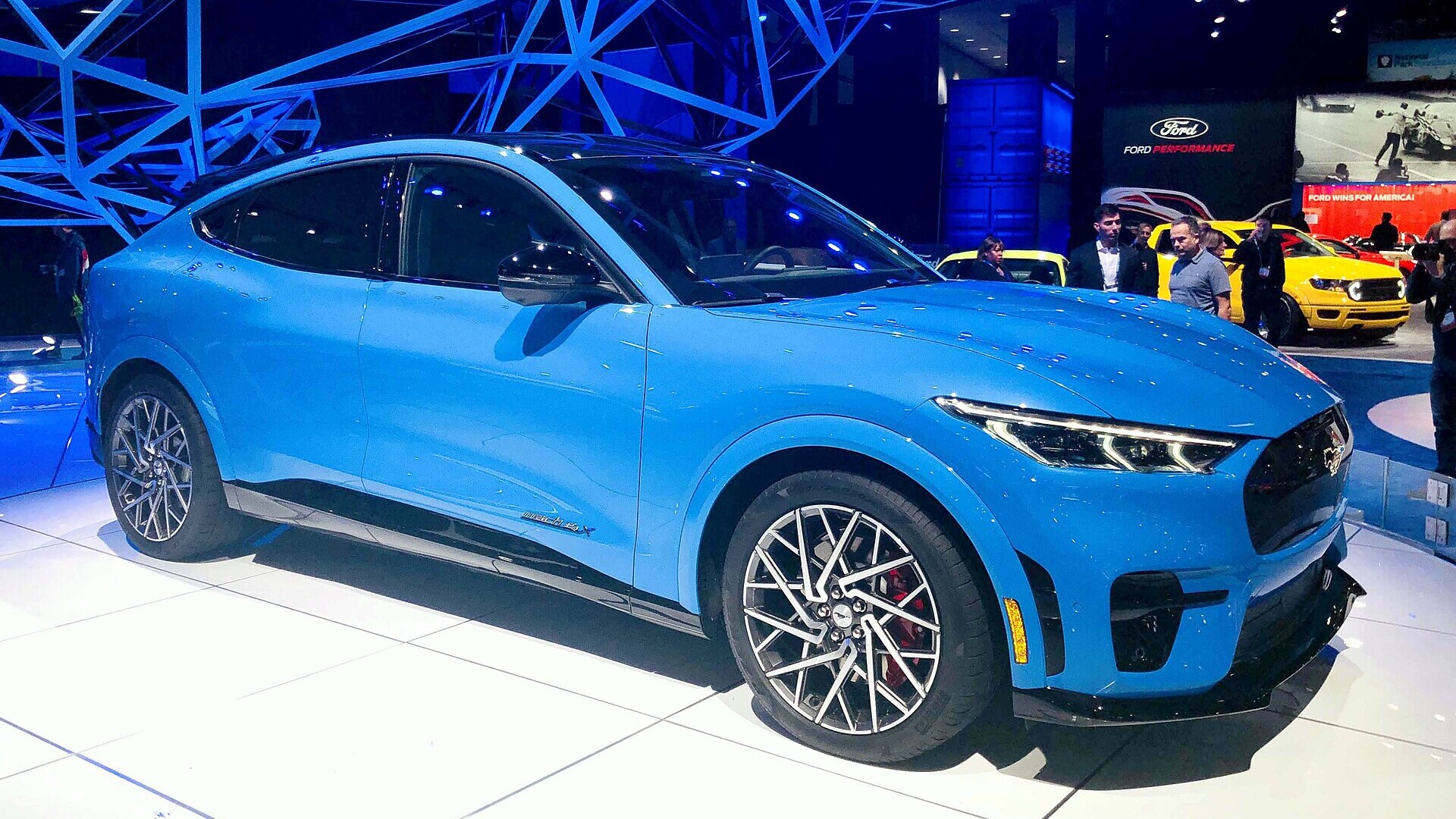
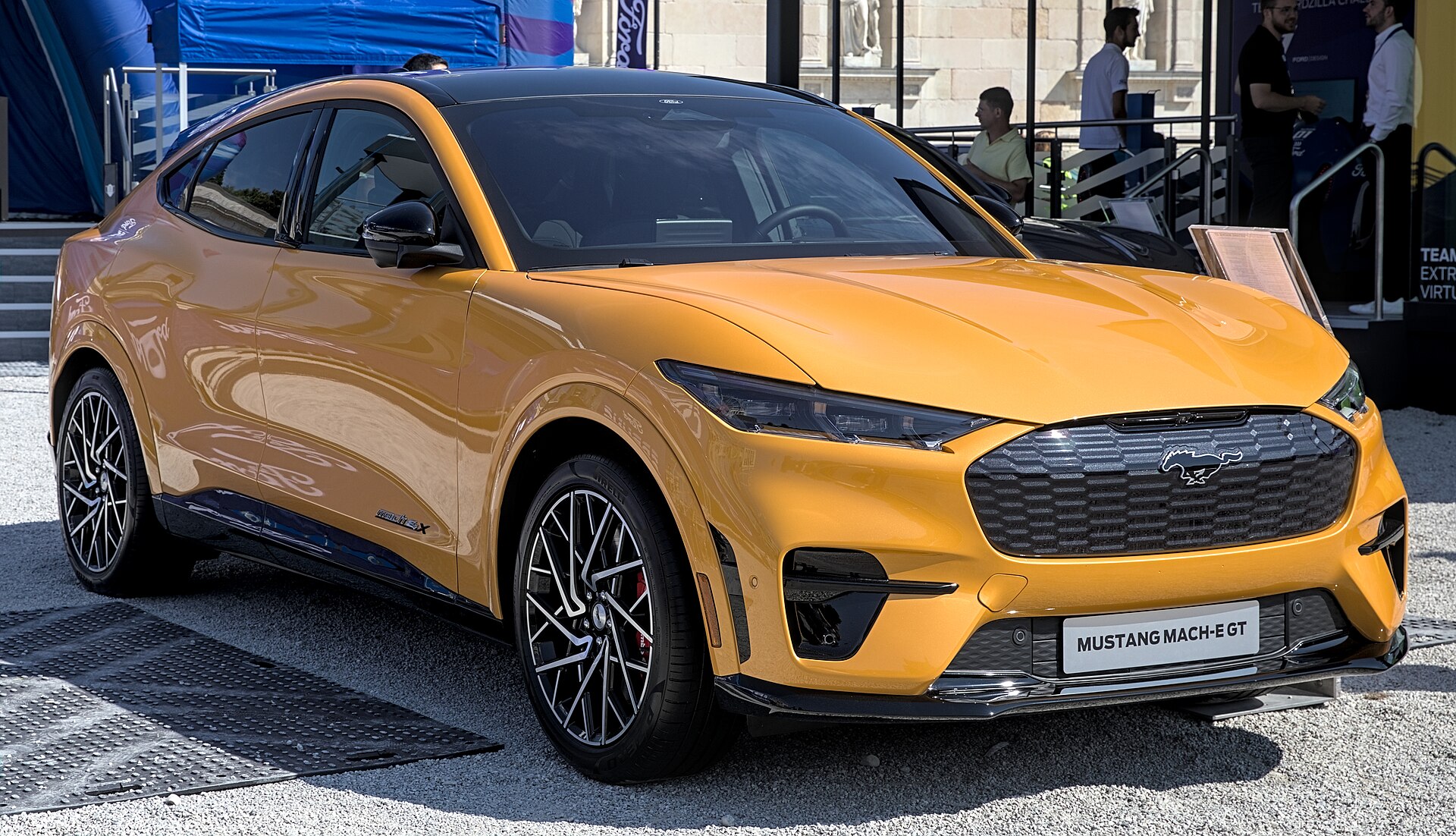
On Nov. 17, 2019, a Sunday night in Los Angeles, Ford did something the Mustang faithful had spent 55 years assuming it never would: it pulled the cover off a Mustang with four doors, a hatch, a 15.5-inch vertical touchscreen and no engine noise to speak of. The Mustang Mach-E reveal was Ford’s biggest swing at the electric era, and it landed right in the middle of one of the loudest naming arguments in modern car culture.
Seven years later, the argument still has legs. That is exactly why it belongs in this series, alongside our earlier look at the General Lee’s first flight on Nov. 11, 1978.
What Ford actually unveiled on Nov. 17, 2019
Ford revealed the Mach-E ahead of the LA Auto Show as the first vehicle from Team Edison, its dedicated EV group, according to TechCrunch. It was also the first model on Ford’s new electric architecture and part of an $11 billion plan for 40 electrified models by 2022, per CNBC. And it was the first time the Mustang name had gone on anything other than the two-door pony car since 1964.
Five versions were announced: Select, Premium, First Edition, California Route 1 and GT Performance. The Select started at $43,895 before incentives, the Premium at $50,600 and the First Edition at $59,900. The headliner was the GT, priced at $60,500 with an estimated 459 horsepower and 612 lb-ft of torque and a mid-three-second 0-60 mph target. Ford pitched that as quicker than a Porsche Macan Turbo. Range targets ran from roughly 210 to 300 miles depending on the 75.7 kWh or 98.8 kWh battery, and reservations opened immediately with a $500 refundable deposit.
Enthusiast-friendly touches were baked in, too. Drive modes were named Whisper, Engage and Unbridled, and the giant screen kept a physical volume knob, which every driver who has ever fumbled with a touch slider at 70 mph appreciated.
Why the Mustang name set the internet on fire
The badge was the whole story. The name is widely read as a nod to the Mustang’s long-running Mach 1 performance trim, and Ford’s executive chairman, Bill Ford, called the car a Mustang for a new generation. Not everyone was buying it. Carscoops reported hundreds of angry comments on the Mustang Club of America’s Facebook page, including one owner who called the name blasphemous and invoked Carroll Shelby’s old line about there being no replacement for displacement. A past club president told USA Today he was not happy with it, while the club’s then-president defended the car as a continuation of the Mustang’s legacy.
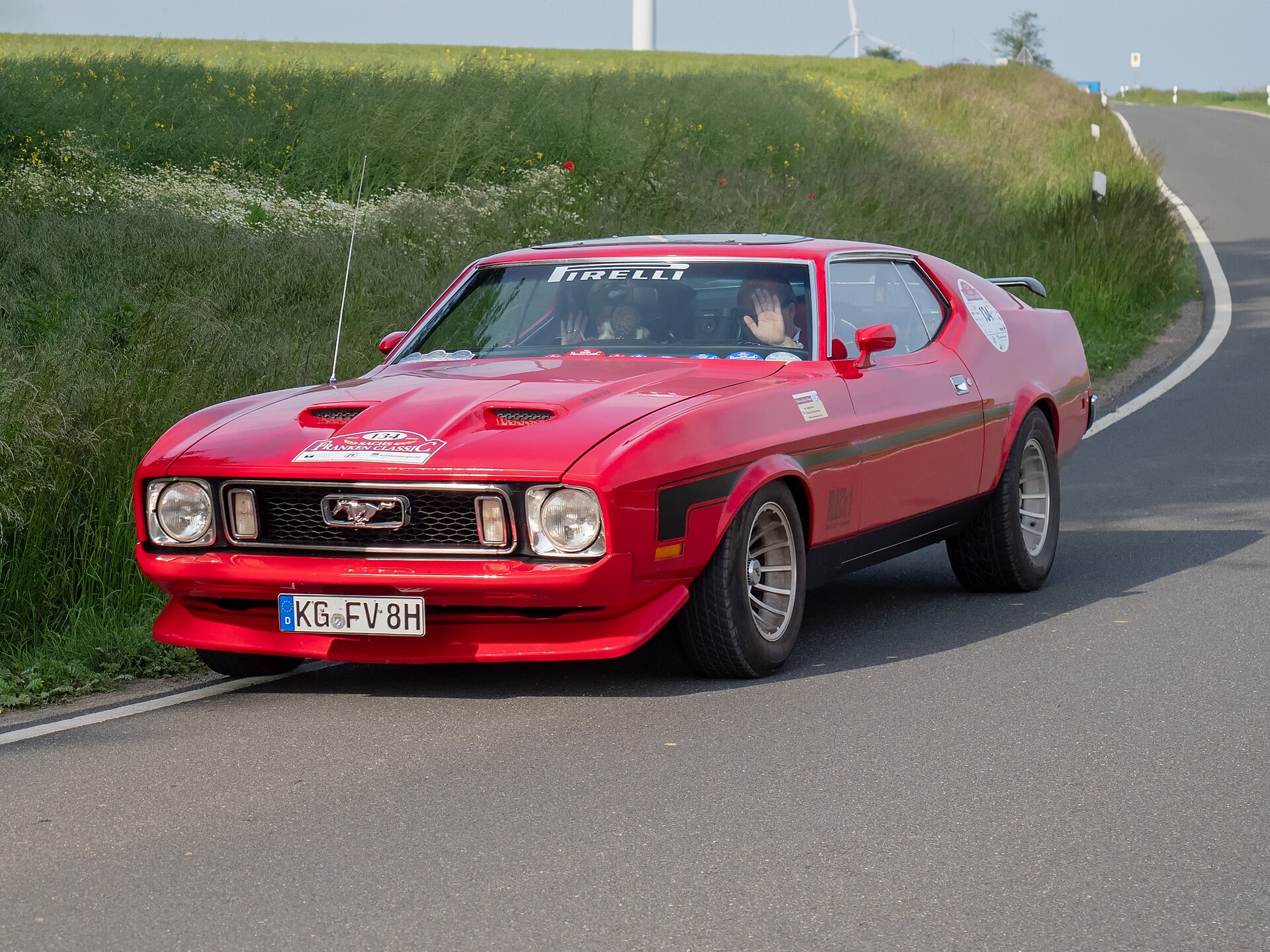
Inside Ford, the fight was just as real. A Ford mini-documentary covered by The Drive credits Jim Farley with the Mustang-name idea, says Bill Ford initially opposed it, and has chief program engineer Ron Heiser describing the risk as messing with the crown jewels. The skeptics reportedly started coming around after seeing clay models.
The twist: even Ford keeps relitigating it
In a May 2024 Autocar interview, Farley said Ford would never put a Mustang badge on a small two-row SUV and would not build an all-electric Mustang, comments Jalopnik read as a shot at the Mach-E. A Ford spokesperson countered that the Mustang “isn’t going anywhere.” Pick your own reading, but it shows the badge debate never really ended.
Why enthusiasts still care
The Mach-E forced a question the pony car crowd had dodged for years: is a Mustang a body style, a sound, a layout or an attitude? The car then spent years trying to answer with its right foot. Ford’s 1,400-HP prototype just scored the third-fastest Pikes Peak run ever, which is not something you can say about most four-door crossovers.
Meanwhile, the Mustang family keeps getting weirder in ways purists should enjoy. Ford’s apprentices once turned a Mustang into a one-off ute, and Ford Racing has teased an all-motor Cobra for 2027. The badge can stretch a long way. Whether it should is the argument we will probably still be having on the next Nov. 17.
Sources: CNBC, TechCrunch, Electrek, Carscoops, The Drive, Jalopnik.
About the Author