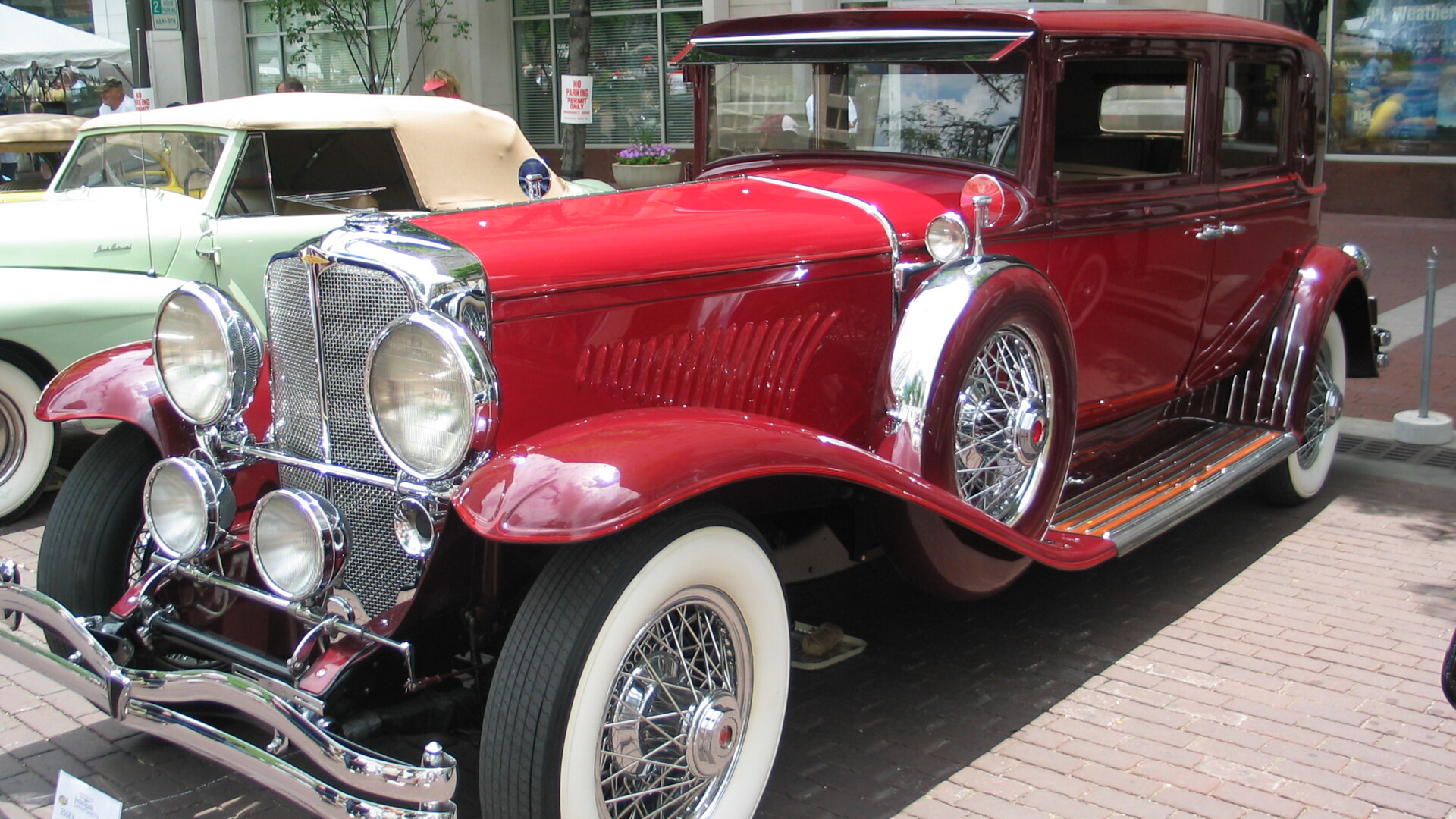
A 1929 Duesenberg Model J, shown as a reference for the marque. This is not the museum car. Photo: Chris J. Moffett, CC BY-SA 2.5
The Tucson Auto Museum on North Sabino Canyon Road in Tucson, Arizona, will close permanently on January 1, 2027, according to a notice on its own website, and Kruse Auctions will sell the collection 27 days later at the museum itself.
Kruse’s listing calls the January 28 sale a no-reserve liquidation auction of 80 cars plus memorabilia, open to bidders in person and online, during Arizona Car Week, which the event’s own site lists as January 22 to 31. The named lots include a 1929 Duesenberg Model J Arlington Sedan, a 1992 Batman Returns Batmobile, a Ferrari Dino 246 GTS, a 1967 Iso Grifo Series I and a 1948 Kurtis-Omohundro Comet. KGUN, the Tucson station that reported the closing, also mentioned Cadillacs, Mustangs and a Mercedes.
A bigger building, then a closing notice
The museum spent more than a decade in a warehouse before it moved. KGUN reported on April 3, 2025 that it had taken over a 26,000-square-foot former Hidden Valley Inn restaurant at 4825 N. Sabino Canyon Road, near Sabino Canyon. Executive Director Dave Johnson told the station, “This is conducive to year-round visits.” Real Estate Daily News had reported the June 2024 sale of the property at about $2.76 million, with the Gould family of Tucson as the buyer and the building slated for museum use.
About 18 months after that report, the museum has posted a permanent closing date. KGUN’s October 26, 2026 report quotes museum director Otton Suarez and auctioneer John Kruse and says the museum will stay open through the end of the year. Neither that report, the museum’s website nor Kruse’s listing gives a reason for the closing.
What “no reserve” means under Arizona law
Arizona’s version of the Uniform Commercial Code, A.R.S. 47-2328, treats each lot in an auction as its own sale and presumes a sale is with reserve unless the goods are put up “without reserve” in explicit terms. Under subsection C, once the auctioneer calls for bids on a no-reserve lot, it cannot be withdrawn unless no bid comes within a reasonable time. A Duesenberg that draws one bid at an unimpressive number is sold at that number if nobody tops it, and the seller cannot pull it from the block to try again elsewhere.
Subsection D covers the other side. If the auctioneer knowingly takes a bid on the seller’s behalf, or the seller makes or arranges one, without notice that such bidding is reserved, the buyer can cancel the sale or take the car at the last good-faith bid. That rule is what keeps a no-reserve label from being a way to bid up one’s own lot. The listing page does not state a buyer’s premium, which auction houses typically add on top of the hammer price, so the winning bid is not the final cost.
A listing that gives one car two years
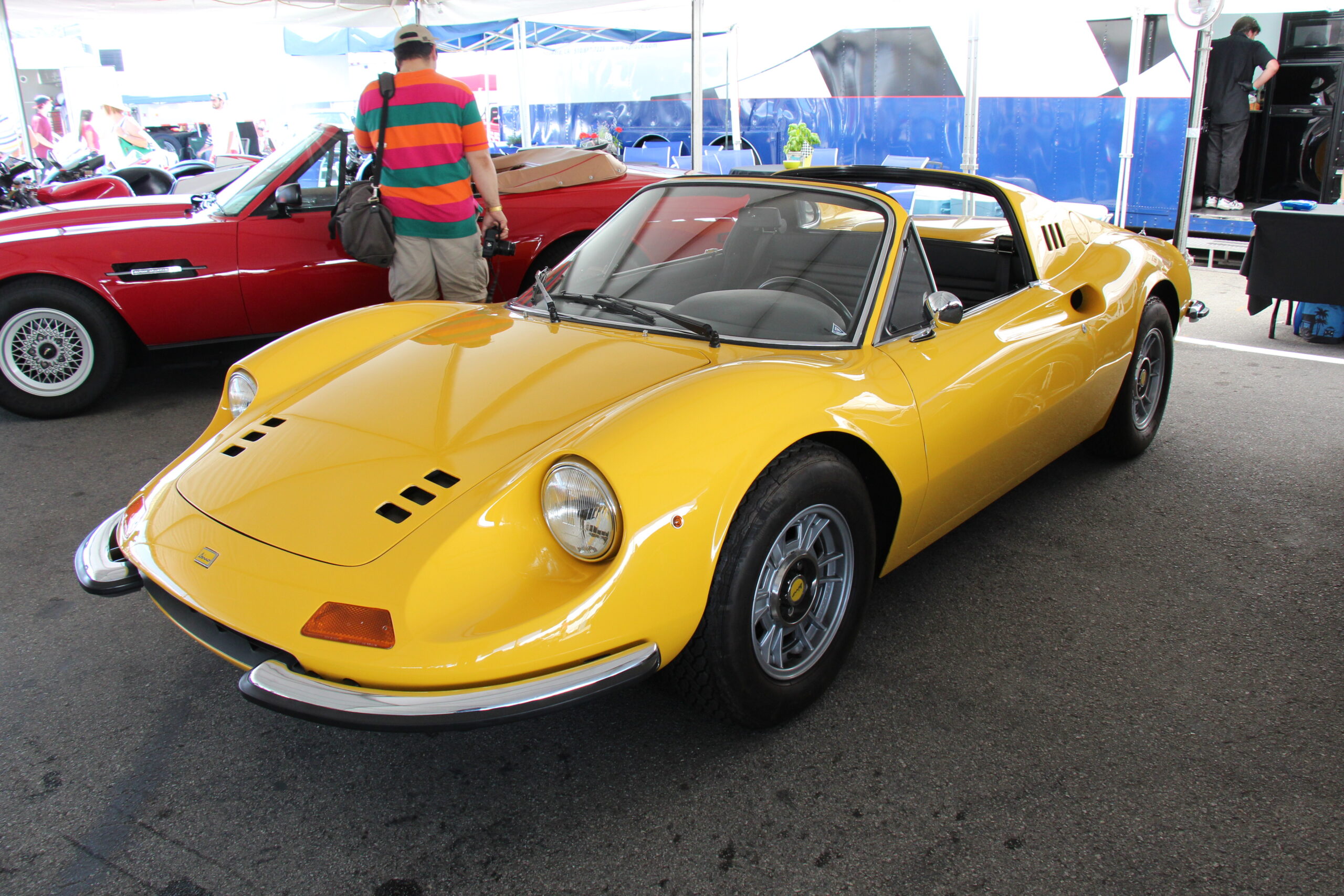
Kruse’s page titles the Ferrari lot a 1973 Dino 246 GTS and describes the same car in its introduction as a 1972. The page does not say which is right. The listing I read also gives no start time and no preview schedule, and the museum’s January 1 closing date falls 27 days before the sale, so the public inspection window between the last visitor and the hammer is not spelled out.
What the museum’s tax filing shows
ProPublica’s Nonprofit Explorer lists Tucson Auto Museum Inc. with a federal tax exemption dated March 2021. Its Form 990 for the year ending December 2025, the year the museum moved into the Sabino Canyon building, reports revenue of $1,165,735, expenses of $657,874 and total assets of $1,415,084. The list of officers includes Wayne K. Gould as president and treasurer. A surplus on paper does not explain a closing, and the summary does not say what the revenue includes. Total assets of $1.4 million are below the reported purchase price of the building, and the real estate report named the Gould family rather than the museum corporation as buyer, so the filing alone does not show who owns the property.
What happens to the cars
KGUN reported that Suarez has been working with local auctioneers to keep the collection in Tucson. He told the station “it’s bittersweet that they’re leaving” and that some of the cars will stay in Tucson. Because every lot is no reserve, where each car lands depends on who is bidding on January 28, and nothing in the sale terms I could read gives Tucson buyers a head start. Kruse’s listing sends bidders to a registration page on its own site.
The building is new, the closing date is Jan. 1 and the hammer falls Jan. 28. Should a collection like this sell car by car at no reserve, or on terms that keep the best cars on public display in Tucson?
About the Author