Photo: Ford
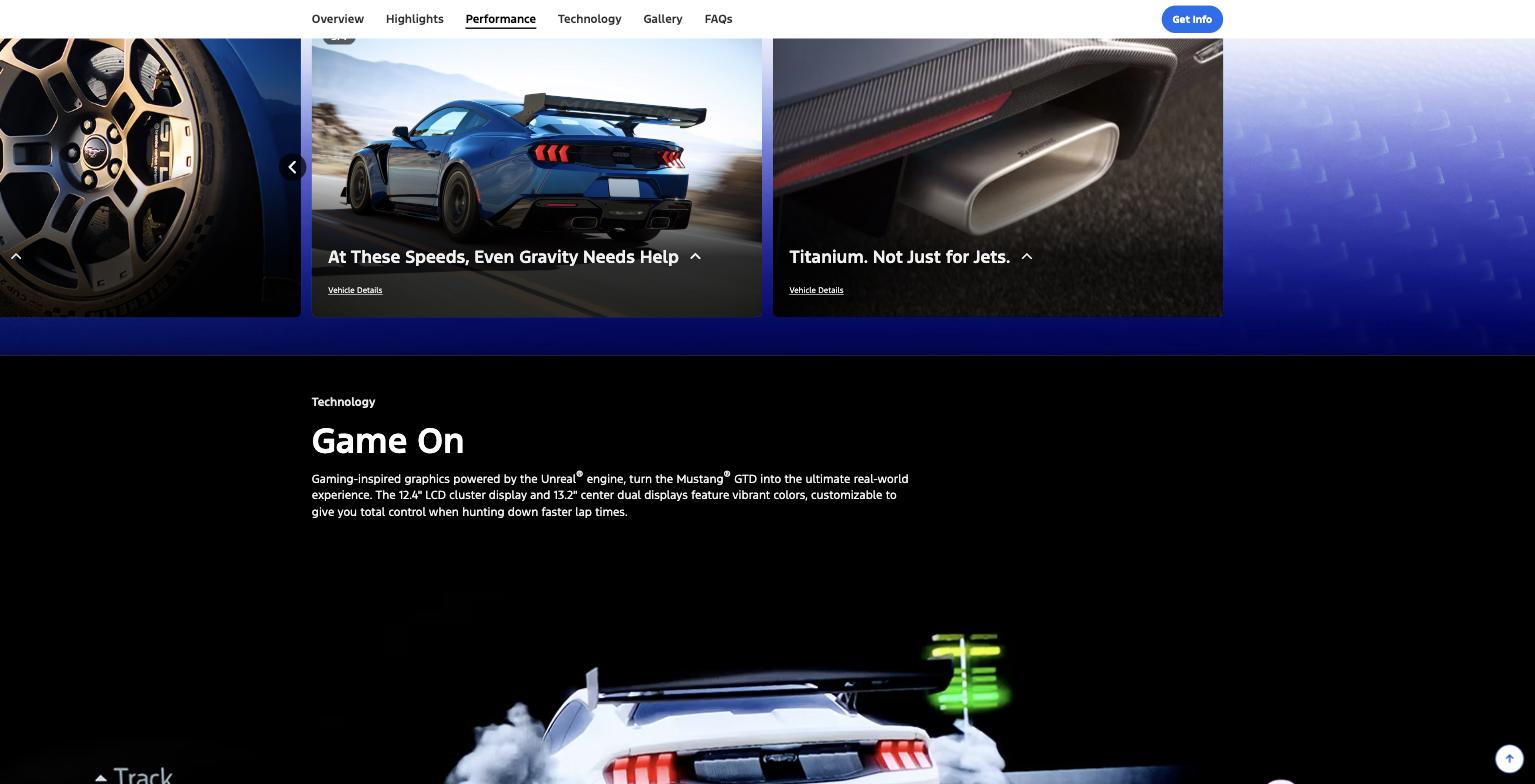
Ford doesn’t sell the Mustang GTD. It curates who gets to own one, and starting today, that curation process is open to European enthusiasts again. The application window runs through October 16, giving hopeful owners across the continent a little over a month to convince Ford they deserve a build slot for the 815-horsepower halo car — a machine that shares a badge with the rental-fleet Mustang but almost nothing else underneath it.
This marks the second time Ford has opened GTD ownership to European buyers. The first window came and went, and reopening it now — paired with a new Spirit of America appearance package — signals that Ford isn’t struggling to sell these things. If anything, a second wave of applications suggests Ford is still working through a waitlist long enough that round two makes business sense before round one even finishes building.
Why an Application Instead of a Purchase Order
Halo cars built in the low hundreds of units don’t move through a normal sales pipeline, and Ford already learned that lesson with the last Ford GT program, where buyers had to apply, get approved, and commit to keeping — not flipping — the car before Ford would even discuss a build slot. The GTD follows the same playbook: an application-based allocation process meant to keep the car with people who’ll actually drive it and track it, rather than listing it for double sticker the moment it lands on a truck. It also gives Ford leverage over dealer markups, something buyers of practically every limited-run performance car have learned to resent over the last few years.
What European Applicants Are Actually Applying For
The headline addition this round is the Spirit of America scheme: a Performance White body wrapped in Race Red and Lightning Blue stripes that reinterprets the Mustang’s classic tri-bar taillight motif as an asymmetric graphic running down the flank. Ford built the livery to mark the 250th anniversary of the Declaration of Independence, which makes its arrival in Europe a little ironic — a car named after the country Europe’s former colonies broke away from, celebrating that breakup, now for sale to Europeans. It ships with Ford’s Performance Package and forged Forgeline wheels bundled in, though it’s just one option on a build sheet that also includes an exposed-composite finish called Liquid Carbon and something Ford calls the Exclusive Extended Color Palette Lock-Out — a wordy way of describing a paid guarantee that nobody else’s GTD will match your paint.
The Hardware Doing the Actual Talking
Strip away the paint options and the GTD’s numbers are what actually justify the velvet rope. Ford’s supercharged 5.2-liter V8 sends up to 815 horsepower through an eight-speed dual-clutch transaxle, and the car runs a dry-sump oil system — a detail that matters more than it sounds like it should. Conventional wet-sump engines can starve themselves of oil under sustained cornering loads, exactly the kind of load a car built to lap the Nürburgring in 6 minutes, 40.835 seconds generates for extended stretches. Ford also engineered the GTD around a near 50/50 front-rear weight balance and a semi-active suspension, giving it chassis behavior normally reserved for cars wearing a Weissach or Trofeo badge rather than a horse. Top track speed is rated at 202 mph, and none of those figures are marketing rounding — they’re the same numbers on Ford’s own build sheet.

The Part Ford’s FAQ Page Won’t Tell You
Ford’s own website dodges the pricing question with a joke about not wanting to put a price on perfection, but the GTD has always been positioned north of $300,000 before options — and before, for European buyers specifically, their home country gets involved. That’s the detail worth sitting with before anyone fills out an application. European buyers aren’t just converting dollars to euros; they’re layering on VAT, and in countries like the Netherlands, Germany, or Norway, registration taxes that scale with engine displacement, CO2 output, or curb weight can add a meaningful percentage on top of the sticker before a plate ever touches the bumper. Low-volume American exports also have to clear individual vehicle approval or small-series type-approval routes into the EU, a slower and more paperwork-heavy process than buying something already homologated for European roads. None of this is a reason to skip the application — it’s a reason to budget for it honestly.
Insurance is its own conversation. A car this rare, this powerful, and this expensive to replace typically gets written on an agreed-value policy rather than standard market-value coverage, and specialist insurers will want to know how it’s stored, how far it’s driven, and whether it ever sees a track day — all things that move the premium more than they would on a Mustang GT.
Where It Sits in the Pecking Order
The GTD’s Nurburgring time puts it in conversation with the same cars it’s implicitly benchmarked against: the Corvette ZR1, which recently traded blows with Porsche over American bragging rights at Road Atlanta, and the Porsche 911 GT3 RS, the car most road-legal track specials still get measured against regardless of badge. Ford building a Mustang capable of embarrassing cars wearing far pricier badges is the entire point of the GTD program, and it’s also why Ford keeps the ownership process gated — a halo car only works as a halo if it stays rare enough to matter.
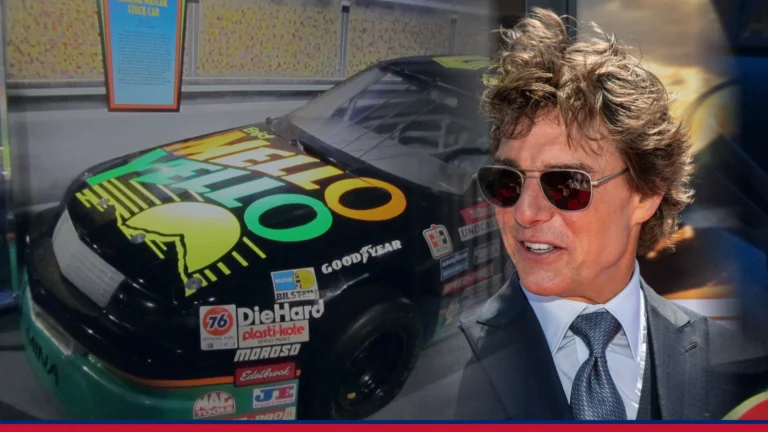
It’s also worth remembering this nameplate’s range. The same badge now chasing sub-seven-minute Nurburgring laps also carries the history of cars like the dirt-caked Trans-Am Mustang Paul Newman raced at Daytona, which says something about how far the platform has stretched without losing the plot.
Should You Apply?
If you’re a European enthusiast who’s been waiting for a second shot, the math is simple: you have until October 16 to submit an application, no guarantee of approval, and no guarantee of getting your preferred color even if you are approved. What you get if it works out is one of the most track-capable Fords ever built, wearing a paint scheme that’s either a great conversation starter or a bold choice depending on how your local car meet feels about a Performance White Mustang wrapped in American flag stripes. Either way, the car’s credentials aren’t marketing copy — they’re on Ford’s own spec sheet, and they hold up.
Your Turn: Would you take a shot at the Mustang GTD’s European allocation, or is the price tag too rich even for a car this special? Let us know in the comments.
About the Author