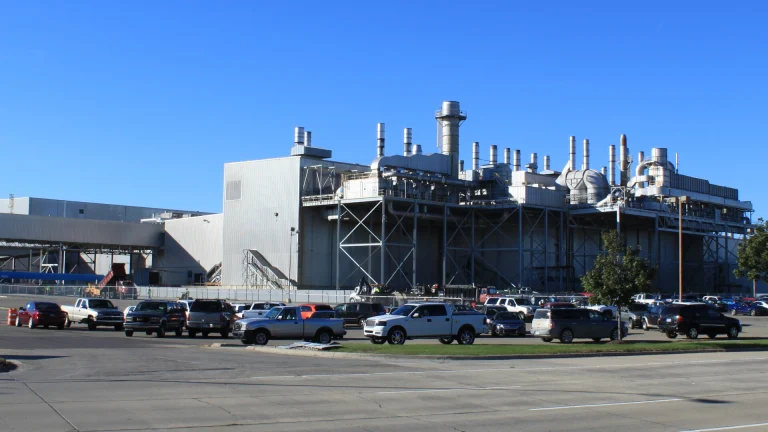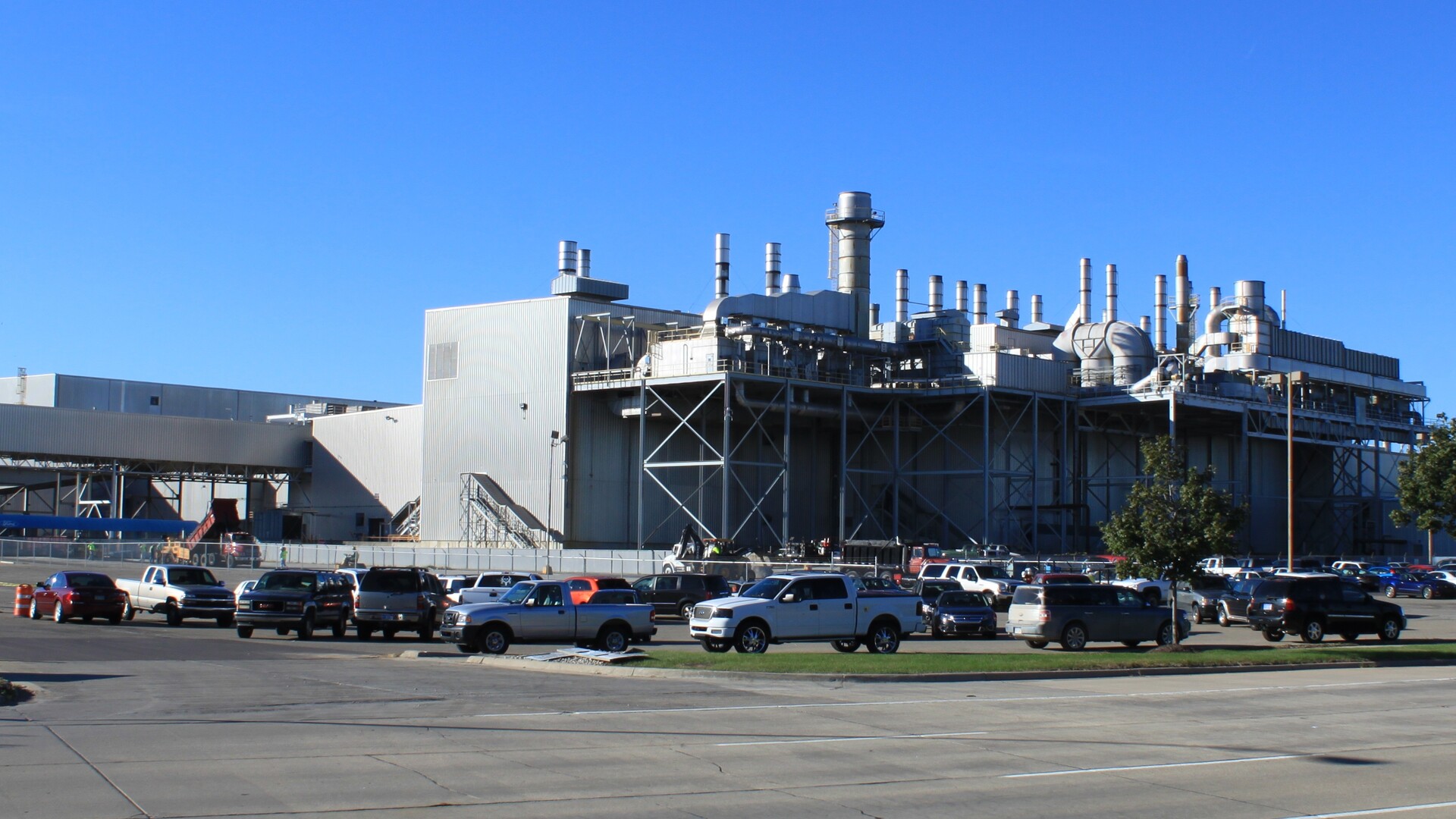
Ford's Michigan Assembly Plant in Wayne, Michigan. Photo: Dwight Burdette, CC BY 3.0, via Wikimedia Commons
Dearborn, Michigan, police say a Ford Motor Company employee spent more than two years moving brand-new vehicle parts out of Ford assembly plants and into a Detroit business that resold them. Detectives arrested four men on Tuesday, May 6, 2025, and served search warrants at a residence in Dearborn, a residence in Canton and two businesses in Detroit, according to a City of Dearborn press release dated May 7.
The release does not name the four men, says the Wayne County Prosecutor’s Office will file the charges, and describes the alleged insider only as a Ford employee. FOX 2 Detroit, reporting from an interview with the department, called him a former employee. Ford’s Global Security team worked the case with Dearborn detectives, the city said. In the sources I could reach, I found no charging document, court docket entry or prosecutor’s statement in the 18 months since, so whether anyone has been charged, tried or cleared is unconfirmed. The Auto Wire covered the case in November 2025.
Three plants, one Detroit business and eBay
Dearborn’s release names no plants. Local TV did, and the lists differ. FOX 2 reported the parts came from Ford plants in Wayne, Dearborn and Flat Rock and named hoods, taillights and bumpers. WDIV in Detroit listed the Rouge complex, Michigan Assembly and Flat Rock Assembly, and hoods, bumpers, running boards and headlights.
FOX 2 quoted Police Chief Issa Shahin as saying officers found one Detroit shop “stacked with brand-new auto parts,” and reported that the parts were taken to a third-party shop and sold on eBay. FOX 2 put the total at millions of dollars. I found no police document that gives a dollar figure, a parts count or a per-part value, so that number is a news report of a police estimate, not a filed amount.
Body panels and lamps are what a collision shop orders after a wreck, and a reseller who paid nothing for a hood can price it far under a dealer and still keep every dollar. That is the business model police describe. It also explains why the legal exposure in a scheme like this runs past the person on the line.
The statutes that reach the shop, and possibly the buyer
The city’s release lists no charges, and FOX 2 reported racketeering and operating a criminal enterprise among those under consideration. Which statutes prosecutors use, if any, is not public. Two Michigan laws fit the facts police describe, and what they say is worth knowing either way.
Michigan’s racketeering law, MCL 750.159i, covers anyone employed by or associated with an enterprise who knowingly takes part in its affairs through a pattern of racketeering activity. Under MCL 750.159j a conviction is a felony carrying up to 20 years, a fine of up to $100,000, or both. The same section says the court must order forfeiture of property connected to the offense, including proceeds, and if that property was sold to a good-faith buyer or can’t be found, the court orders forfeiture of other property up to the same value. A convicted defendant can also be ordered to repay the investigation and prosecution costs of the agency that built the case. For a Detroit business packed with inventory, forfeiture matters more than the prison term.
The second law is receiving and concealing stolen property, MCL 750.535. It covers anyone who buys, receives, possesses or conceals property while knowing, having reason to know or having reason to believe it is stolen, so the standard is not limited to proven certainty. Penalties climb with value: property worth $20,000 or more is a felony of up to 10 years and a fine of up to $15,000 or three times the value, whichever is greater. From $1,000 to under $20,000 it is up to five years, and from $200 to under $1,000 it is a misdemeanor of up to one year for a first offense. The statute lets prosecutors add up the value of separate incidents within a 12-month period when they are part of one scheme, so a shop that took delivery a few parts at a time is not charged one hood at a time. If the haul is worth what FOX 2 reported, three times its value is a far larger ceiling than the flat $15,000.
What the wording means for someone buying a “new” part
Nothing in the receiving statute exempts a customer. A buyer who pays well under the dealer price for a factory-fresh part from a seller with no paperwork is the kind of person the “reason to know” language was written for, and whether a low price alone meets that standard is for a prosecutor to argue and a court to decide. I found nothing indicating any customer in this case is under investigation, and these are Michigan’s rules; other states set their own thresholds. eBay has been tightening what it lets sellers list in the parts category, including an airbag ban that began September 24, and the Auto Wire has covered a separate case in which Houston police say a theft ring had $3 million in luxury cars delivered to it.
What happens next in Wayne County
A charging decision from the Wayne County Prosecutor’s Office would name the four men, state the alleged value of the parts and show whether prosecutors went with racketeering or only with property-crime counts. It would also say whether the Detroit business’s inventory is headed for forfeiture. The defendants’ side has not been made public, and no attorney’s statement appears in the city’s release or in the local reports.
If a driver buys a “new” hood from an online seller at half the dealer’s price and it turns out to be stolen, should Michigan’s reason-to-know law hold that buyer responsible, or should the law stop at the people who took the parts and resold them?
Featured image: Ford Michigan Assembly Plant in Wayne, Michigan. Photo by Dwight Burdette, CC BY 3.0, via Wikimedia Commons.
About the Author