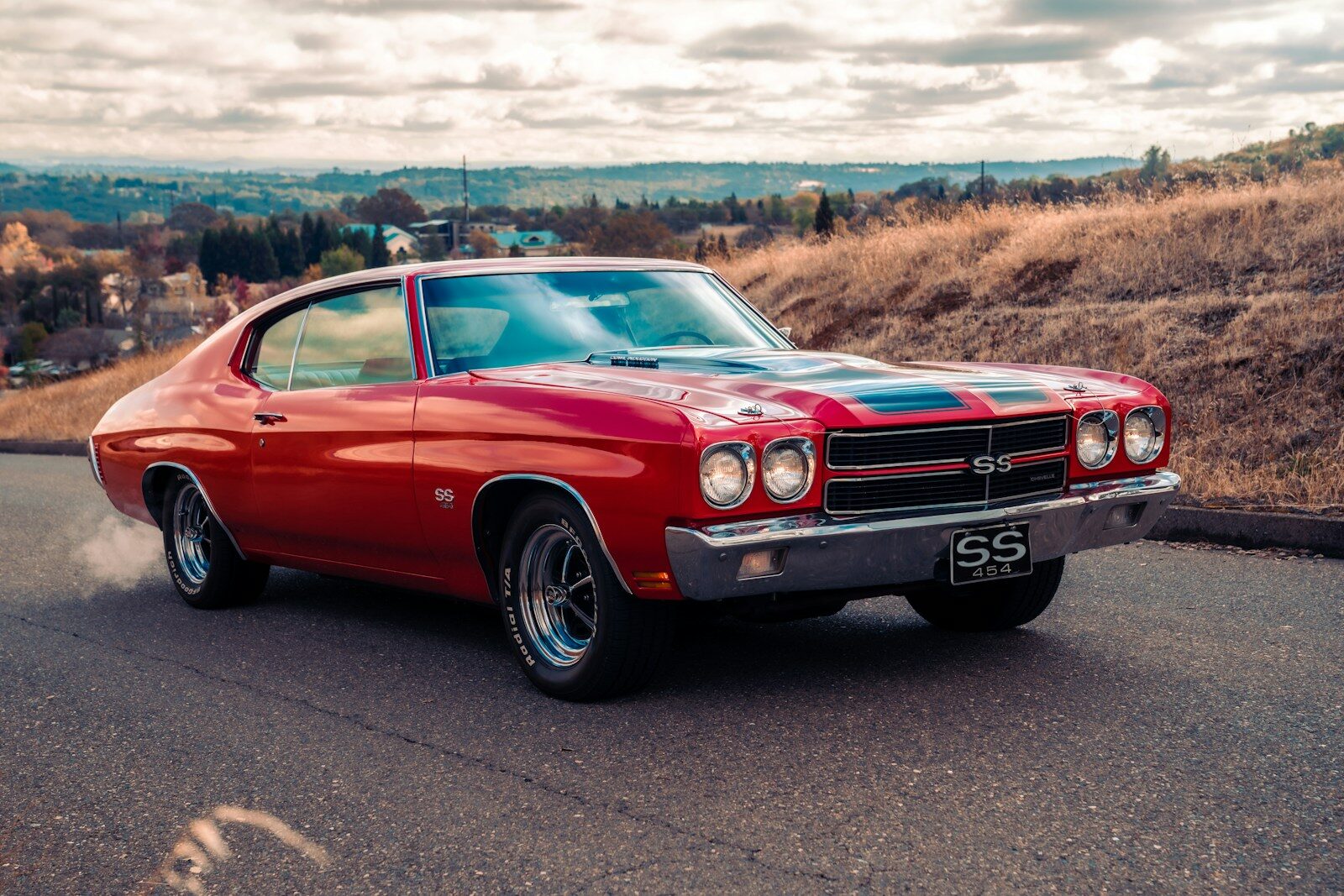
Few automotive categories stir as much passion as classic American muscle cars. Born from a simple formula, big engines in mid-size bodies, they defined a generation of street culture and remain among the most sought-after collector vehicles today. This guide covers where muscle cars came from, the icons worth knowing, and what separates a smart purchase from an expensive mistake.
Check This Out: Best Dash Cams of 2026: How to Choose the Right One for Your Vehicle
The Birth of the Muscle Car
The muscle car era ignited in the 1960s when automakers realized a large V8 dropped into a lighter mid-size body created an affordable rocket. The recipe spread fast across every American brand, sparking a horsepower war that produced some of the most beloved machines ever built. The story of how brands rose on that wave, and sometimes fell, is captured in our history of how GM built Pontiac into a legend and then quietly killed it.
The Icons That Defined an Era
From the GTO to the Charger, Challenger, Camaro, and the small-block Corvettes, the muscle era produced a roster of legends. Even the wagons got in on it, as we explored in the cult story of the Dodge Magnum, the V8 wagon America didn’t deserve. Each model carries its own following, and that enthusiasm directly drives collector demand.
What Makes a Muscle Car Valuable
Value comes down to rarity, originality, documentation, and condition. Matching-numbers drivetrains, rare factory options, low production figures, and a verifiable history command the biggest premiums. A correctly restored car with paperwork will almost always outvalue a flashier build with an unknown past.
Originality vs. Restomod
Collectors split into two camps. Purists prize numbers-matching originality and period-correct restoration. The restomod crowd blends classic looks with modern power, brakes, and comfort. Neither is wrong, but they appeal to different buyers and follow different value curves, so decide which camp you are in before you shop.
The Ones That Got Away
Part of muscle car lore is the cars enthusiasts never legally got to own, the forbidden imports and homologation specials. We cataloged many of them in the coolest cars America told you that you couldn’t have, a reminder that desire and scarcity have always fueled this hobby.
Buying Smart in Today’s Market
Get a pre-purchase inspection from a marque specialist, verify VIN and option codes, and budget for the maintenance an old performance car demands. Buy the best example you can afford rather than a cheap project, because restoration costs almost always exceed expectations.
Why the Passion Endures
Muscle cars represent an era of unapologetic American performance and accessible power. Whether you want a weekend cruiser or a serious investment, understanding the history and the market is the first step toward owning a piece of it without regret.
The Decline and Revival of Muscle
The original muscle era faded under rising insurance costs, emissions regulations, and the oil crisis of the 1970s. Many legendary nameplates were watered down or killed entirely, a story that echoes our history of how GM built Pontiac into a legend and then killed it. Yet the formula never truly died, and modern manufacturers eventually revived it with cars that honor the originals while vastly outperforming them.
The Engines That Defined the Breed
Muscle cars are ultimately about their engines. The legendary V8s of the era, detailed in our greatest American engines roundup, are the beating heart of the hobby. Understanding which engine came in which car, and whether a given example still wears its original numbers-matching unit, is central to evaluating value.
Restoration vs. Restomod Revisited
Today’s collectors increasingly embrace the restomod approach, blending classic looks with modern reliability and power. Purists still prize originality, but the restomod movement has expanded the hobby to drivers who want vintage style without vintage frustrations. Both paths are valid; choose based on whether you value historical accuracy or everyday usability.
Buying Your First Muscle Car
Get a marque-specialist inspection, verify VIN and option codes, and budget for the maintenance an old performance car demands. Many great examples surface through collector car auctions and even barn finds, but both demand careful due diligence. Buy the best example you can afford rather than a cheap project, since restoration costs almost always exceed expectations.
Insuring and Protecting Your Investment
Classic cars need specialty agreed-value insurance, not standard policies, as we explain in our car insurance guide. Protect the finish with proper detailing, store it correctly, and keep meticulous records. A well-documented, well-preserved muscle car is both a joy to own and a genuinely appreciating asset.
The Cultural Legacy of Muscle
Muscle cars are more than machines; they are symbols of an era of optimism, rebellion, and accessible performance. They appear throughout American film and music and remain fixtures at car shows and cruise nights nationwide, including many of the most iconic movie cars ever made. That cultural weight is a large part of why values stay strong and why each new generation discovers the appeal anew.
Read Next: The 10 Best Outdoor Knives of 2026: Top-Rated Picks for Hunting, Camping, and Survival
Where to Learn More
The muscle car world is deep, and the best collectors never stop studying. Read marque histories, attend auctions even when you are not buying, and talk to owners who have lived with the cars you covet. The more you understand the history, the engines, and the market, the better equipped you are to buy well and enjoy the hobby for a lifetime.
About the Author