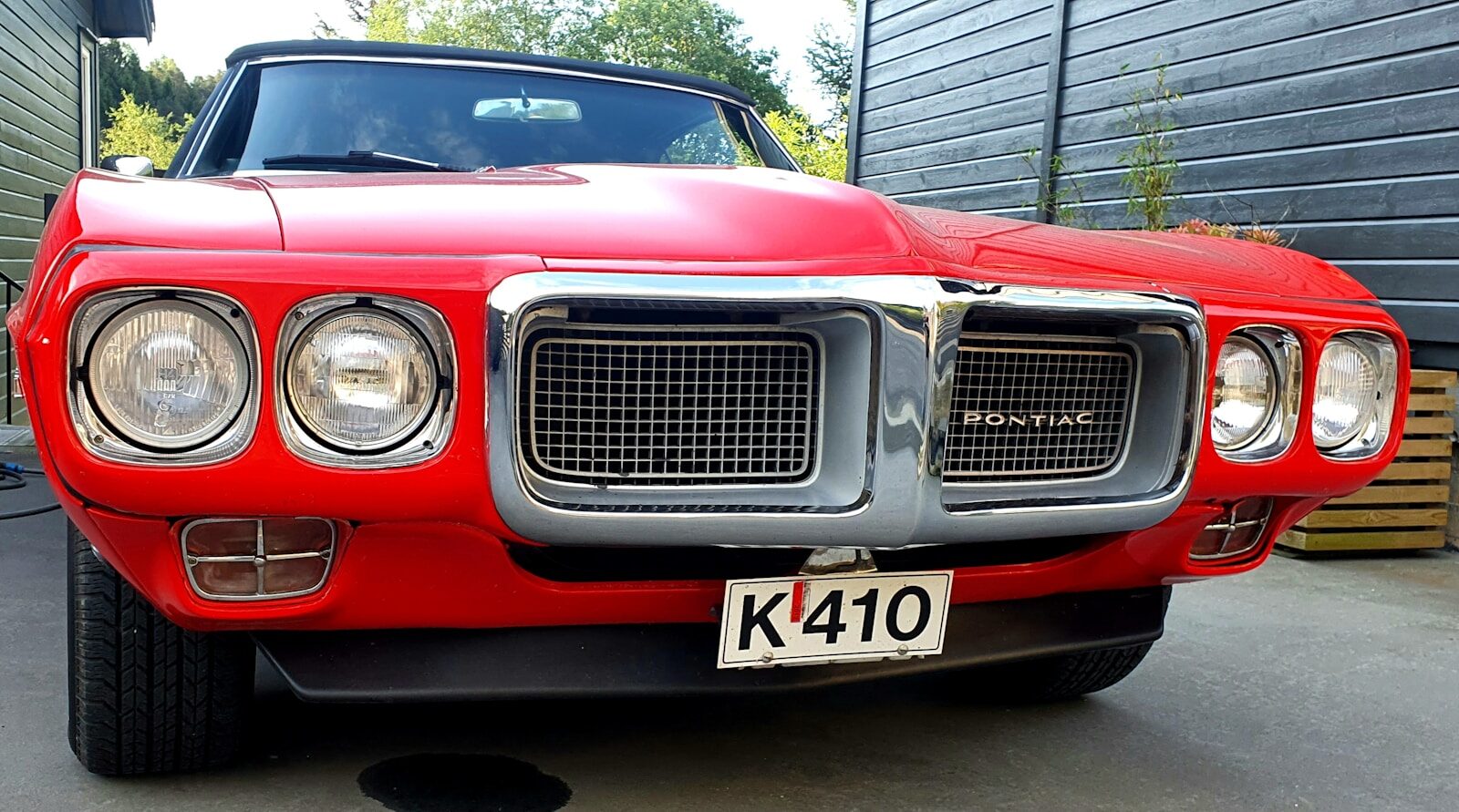
Few American automotive brands have experienced the highs and lows of Pontiac. For decades, Pontiac represented performance, excitement, and youthful energy within General Motors, building everyday cars that occasionally ended up in the hands of legends like Buddy Holly. It was the division that gave America the GTO, Trans Am, Firebird, and countless memorable muscle cars. Yet despite a rich heritage and loyal fanbase, Pontiac ultimately became a victim of changing market trends, internal corporate decisions, and economic realities.
Building an Identity
Pontiac traces its roots back to 1926, when General Motors introduced it as a companion brand to Oakland. The division quickly gained traction by offering more power and value than many competitors. By 1933, Pontiac had surpassed Oakland in popularity, leading GM to discontinue Oakland entirely.
For much of its early history, Pontiac occupied a unique space in the GM lineup. It offered buyers a step above Chevrolet without reaching the price levels of Oldsmobile, Buick, or Cadillac. The brand steadily built a reputation for stylish cars with strong performance credentials.
The Muscle Car Revolution
Pontiac’s golden era began in the 1960s. Under the leadership of division executives such as John DeLorean, Pontiac transformed itself from a conservative family-car manufacturer into GM’s performance brand.
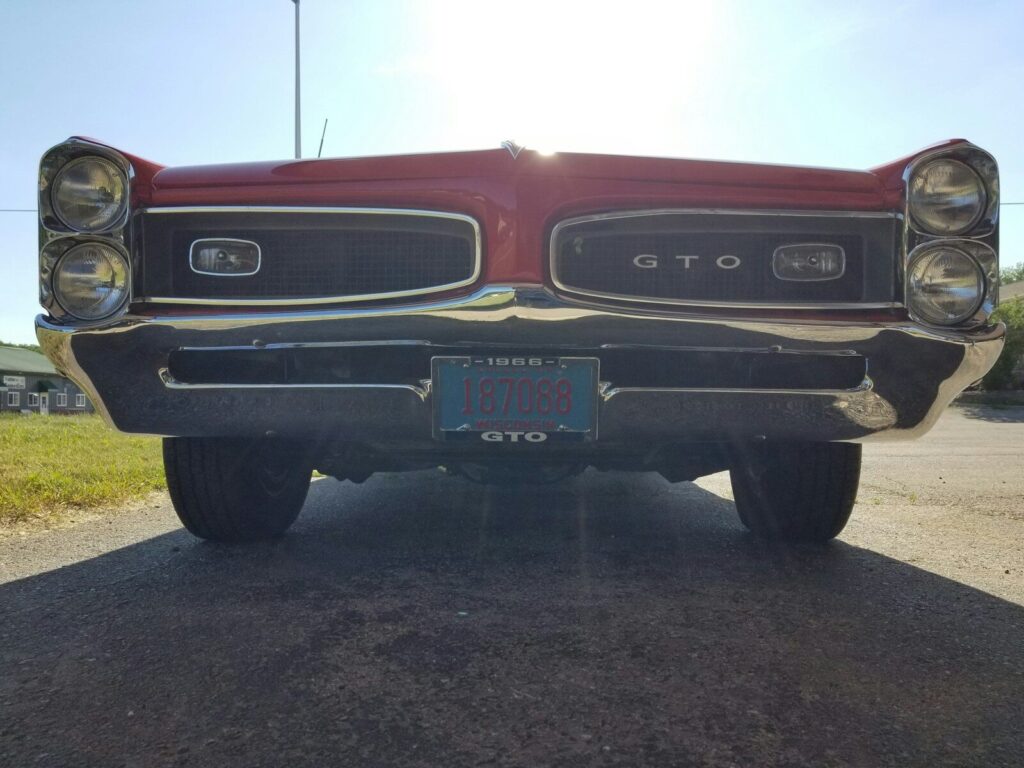
The turning point came in 1964 with the introduction of the Pontiac GTO. By placing a large-displacement V8 engine into the midsize Tempest, Pontiac effectively created what many consider the first muscle car. The formula was simple but revolutionary: affordable pricing, aggressive styling, and big horsepower.
The GTO’s success sparked a horsepower war among Detroit manufacturers. Soon, Pontiac expanded its performance lineup with models such as the Firebird, Trans Am, Judge, and high-performance versions of the Grand Prix.
Throughout the late 1960s and early 1970s, Pontiac became synonymous with American performance. Sales soared as younger buyers flocked to showrooms seeking speed and style.
Surviving the Malaise Era
The 1970s brought significant challenges. Rising insurance costs, stricter emissions regulations, and the 1973 oil crisis dramatically altered the automotive landscape. Performance declined across the industry as manufacturers struggled to comply with new regulations.
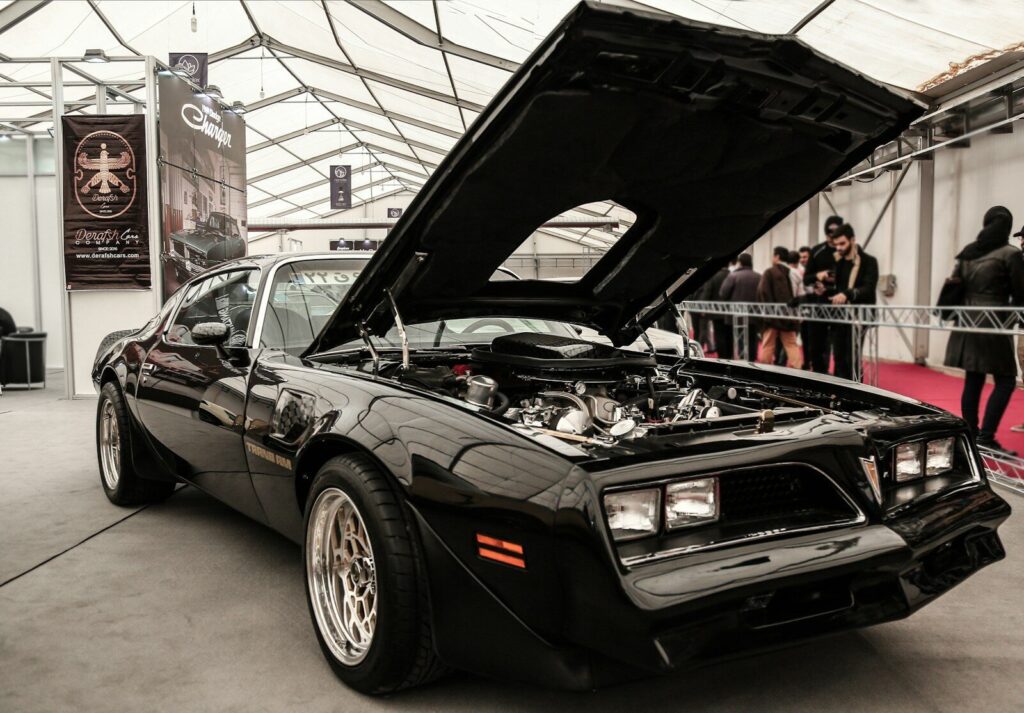
Many muscle car nameplates disappeared entirely, but Pontiac managed to preserve much of its performance image. The Firebird and Trans Am remained in production and became cultural icons, particularly after the release of the 1977 film Smokey and the Bandit.
While horsepower figures fell dramatically from their peak years, Pontiac continued marketing excitement and sporty styling. The division maintained a stronger enthusiast following than many competing brands during this difficult period.
A Second Peak in the 1980s and 1990s
Pontiac found renewed success during the 1980s. The third-generation Firebird introduced sleeker aerodynamics, while the Fiero represented an ambitious attempt to build a mid-engine sports car.
Although the Fiero faced early reliability concerns, it demonstrated Pontiac’s willingness to take risks. Meanwhile, performance versions of the Firebird and Trans Am remained popular among enthusiasts.
During the 1990s, Pontiac benefited from models such as the Grand Am, Bonneville, and Grand Prix. The supercharged Grand Prix GTP became one of the division’s most recognizable performance sedans, helping maintain Pontiac’s image as GM’s sporty brand.
The Beginning of the End
Despite pockets of success, Pontiac’s identity became increasingly blurred during the late 1990s and early 2000s.
General Motors expanded its product lineup across numerous divisions, often creating vehicles that differed little beyond styling cues and badges. Pontiac increasingly relied on rebadged versions of other GM products rather than developing unique vehicles.

Models such as the Aztek became symbols of the brand’s struggles. While the Aztek later gained cult status, its controversial design damaged Pontiac’s image during a period when the division desperately needed strong products.
At the same time, consumer preferences shifted toward SUVs and crossovers. Pontiac’s traditional performance-oriented positioning became harder to define in a market increasingly focused on utility.
The Financial Crisis
The final blow came during the 2008 financial crisis.
General Motors faced severe financial distress and ultimately entered bankruptcy protection in 2009. As part of its restructuring efforts, GM was forced to streamline operations and focus resources on fewer brands.
The company chose to concentrate on Chevrolet, Buick, Cadillac, and GMC. Pontiac, despite its heritage, was deemed expendable.
GM announced that Pontiac would be discontinued by the end of 2010.
Ironically, some of Pontiac’s final products showed considerable promise. The G8 sedan earned praise for its performance and driving dynamics, while the Solstice roadster demonstrated that Pontiac could still build exciting enthusiast vehicles. Unfortunately, these successes arrived too late to reverse the division’s fate.
Pontiac’s Legacy
Although Pontiac disappeared from new-car showrooms more than a decade ago, its influence remains significant.
The GTO helped launch the muscle car era. The Firebird and Trans Am became cultural icons. Models like the Grand Prix, Fiero, and G8 continue to attract devoted enthusiasts. Collector interest in classic Pontiac performance cars has remained strong, with many rare examples commanding substantial prices at auction.
Pontiac’s story serves as both a celebration of automotive innovation and a cautionary tale about the challenges of maintaining a clear brand identity. For generations of enthusiasts, Pontiac represented excitement, performance, and individuality. While the badge may be gone, its impact on American automotive history remains impossible to ignore.
About the Author