Affiliate disclosure: Backfire News may earn a commission from qualifying purchases made through links in this article, at no extra cost to you. This does not influence which products we recommend.
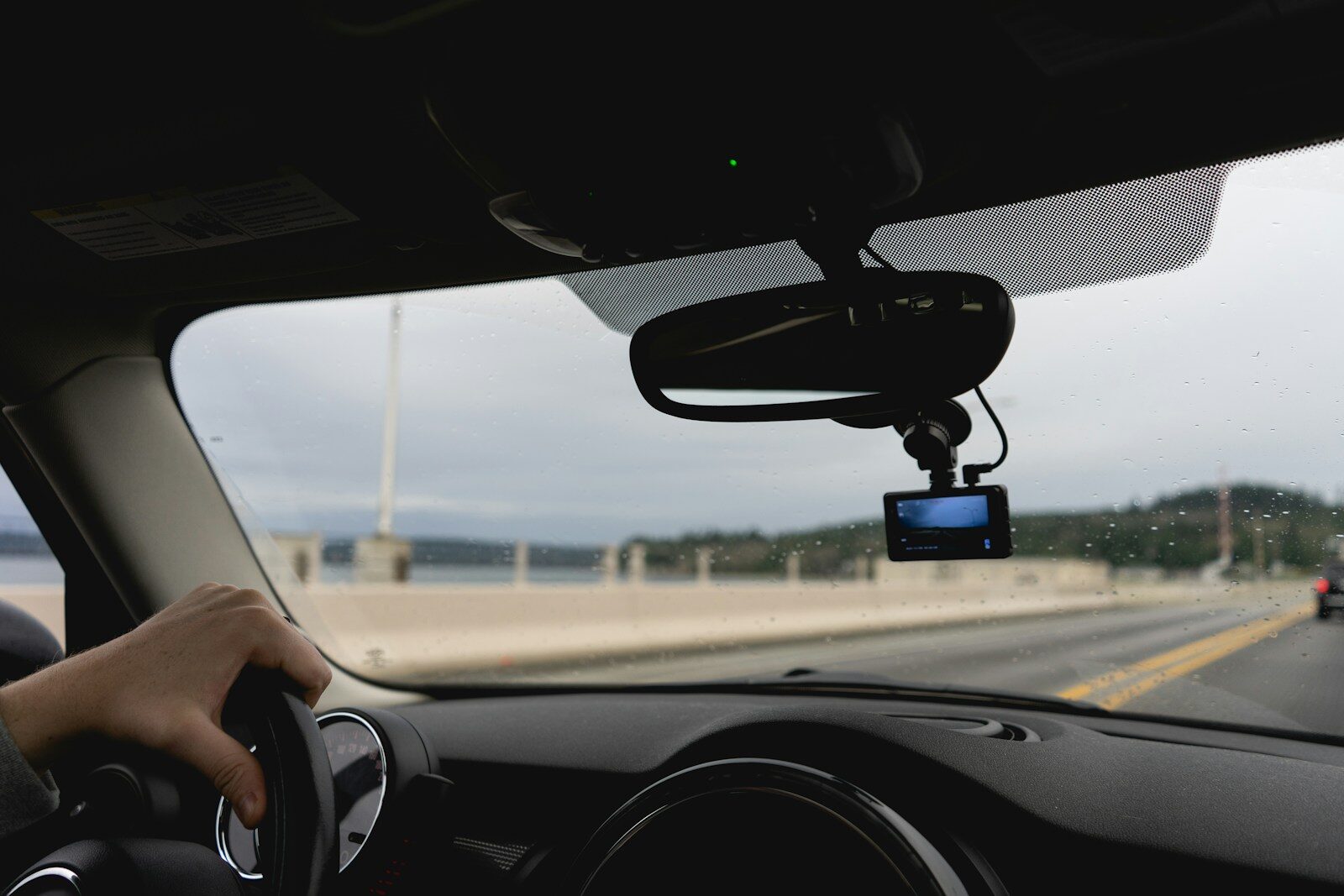
A dash cam has quietly become one of the smartest, cheapest pieces of protection you can add to any vehicle. From settling insurance disputes to capturing the unexpected, the right camera pays for itself the first time you need footage. This guide to the best dash cams of 2026 explains the features that matter so you buy the right one instead of the most heavily marketed one.
Our Top Picks: Best Dash Cams of 2026
Based on the criteria above, here are the models we recommend for most drivers. These are affiliate links, so purchases made through them may earn us a small commission at no extra cost to you.
- VIOFO A229 Plus (Best Overall) — Dual-channel 1440p+1440p with STARVIS 2 sensors, HDR, 5GHz Wi-Fi, and precise GPS. It hits the 1440p sweet spot for most drivers.
- Vantrue N4 Pro S (Best 3-Channel) — Triple STARVIS 2 setup with 4K front plus rear and interior recording. Ideal for rideshare and delivery drivers who need an inside view.
- Vantrue N2X (Best Value for Rideshare) — Front-and-inside 2.5K camera with HDR IR night vision and GPS at a friendly price.
- Vantrue E1 Pro (Best Compact) — A discreet 4K mini cam with STARVIS 2, built-in Wi-Fi, and GPS for a low-profile install.
- SanDisk 256GB High Endurance microSD (Best Storage) — A surveillance-rated card built to survive the constant writes and heat that kill ordinary cards.
Why Every Driver Should Run a Dash Cam
Dash cams provide objective evidence in collisions, deter fraud, and can lower the stress of disputes by replacing he-said-she-said with footage. For enthusiasts and commuters alike, they offer peace of mind that scales far beyond their modest cost.
Resolution: How Much Do You Really Need?
1080p is the practical minimum, but 1440p and 4K capture license plates and detail far more reliably, especially at night or distance. Higher resolution means larger files, so balance clarity against storage and budget. For most drivers, a quality 1440p camera is the sweet spot.
Single, Dual, or Three-Channel?
A single front camera covers the most common needs. Dual-channel systems add a rear camera, valuable for rear-end incidents and rideshare drivers. Three-channel setups add an interior view. Match the channel count to your actual risk exposure rather than buying the maximum by default.
Parking Mode and Continuous Power
Parking mode records while you are away, capturing hit-and-runs and vandalism. It typically requires a hardwire kit drawing from the battery, so look for systems with voltage cutoff protection to avoid draining your battery. This feature alone justifies the upgrade for many city drivers.
Storage, Heat, and Reliability
Dash cams write constantly, so use a high-endurance microSD card rated for surveillance use. In hot climates, look for cameras built with capacitors rather than batteries, which tolerate heat far better and last longer mounted on a windshield. Reliability under heat is where cheap cameras fail first.
Features Worth Paying For, and Skipping
GPS logging, a strong night mode, and reliable loop recording are worth the money. Wi-Fi app access is convenient for pulling footage. Flashy extras like voice assistants and built-in navigation are usually gimmicks that distract from core recording quality.
Pairing Your Setup
If you are building out a vehicle for more than commuting, a dash cam fits naturally alongside other practical upgrades. Round out your kit with our roundups of essential off-road gear and the broader weekend adventure gear kit for a vehicle that is ready for anything.
Bottom Line
The best dash cam is the one matched to how and where you drive. Prioritize resolution, reliable storage, and parking protection over marketing buzzwords, and you will have evidence on your side whenever you need it.
Installation: Hardwiring vs. Plug-In
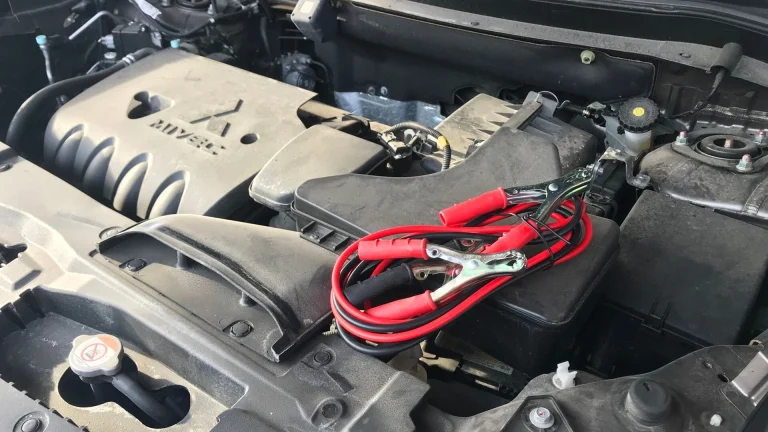
The simplest dash cams plug into a 12-volt outlet, but a clean hardwired installation hides the cables and enables parking mode by drawing from the fuse box. Hardwiring requires a little patience and the right adapter, but the result looks factory and frees up your power outlet. If you are comfortable with basic vehicle electrical work, it is a satisfying afternoon project with the kind of basic tools every owner should have.
Understanding Footage and Privacy Laws
Dash cam footage is powerful evidence, but laws on recording, especially audio, vary by region. Know your local regulations regarding what you can record and how footage can be used. For rideshare and delivery drivers, interior recording raises additional considerations, so research the rules that apply to your situation before relying on a camera in disputes.
Night Performance and Real-World Conditions
Many incidents happen in low light, so night performance matters enormously. Look for cameras with strong low-light sensors and HDR to balance headlights against dark surroundings. License plate capture at night separates genuinely useful cameras from those that produce footage too blurry to matter when you need it most.
Pairing With Other Protective Gear
A dash cam is one piece of a sensible vehicle protection strategy. For drivers who venture off pavement, it sits alongside the safety basics in our recovery gear guide, and for winter drivers it complements the preparation in our car winterizing checklist. Think of it as cheap insurance that quietly works in the background.
Getting the Most From Your Dash Cam
Position the camera to capture the road without blocking your view, keep the windshield clean in front of the lens, and periodically verify footage is recording and saving correctly. Use a high-endurance memory card and check it occasionally, since a camera that silently stopped recording offers no protection at all. A little routine maintenance ensures the footage is there when you genuinely need it.
Choosing the Right Brand and Support
Dash cam reliability varies widely between manufacturers. Established brands tend to offer better firmware support, more reliable storage handling, and stronger warranties. Read recent reviews focused on long-term durability rather than first impressions, since the cameras that fail tend to do so after months of heat cycling on a windshield. A slightly more expensive camera from a reputable maker often proves far cheaper than replacing a bargain unit that died right when you needed footage. Treat the purchase as a long-term investment in protection rather than a disposable gadget.
About the Author