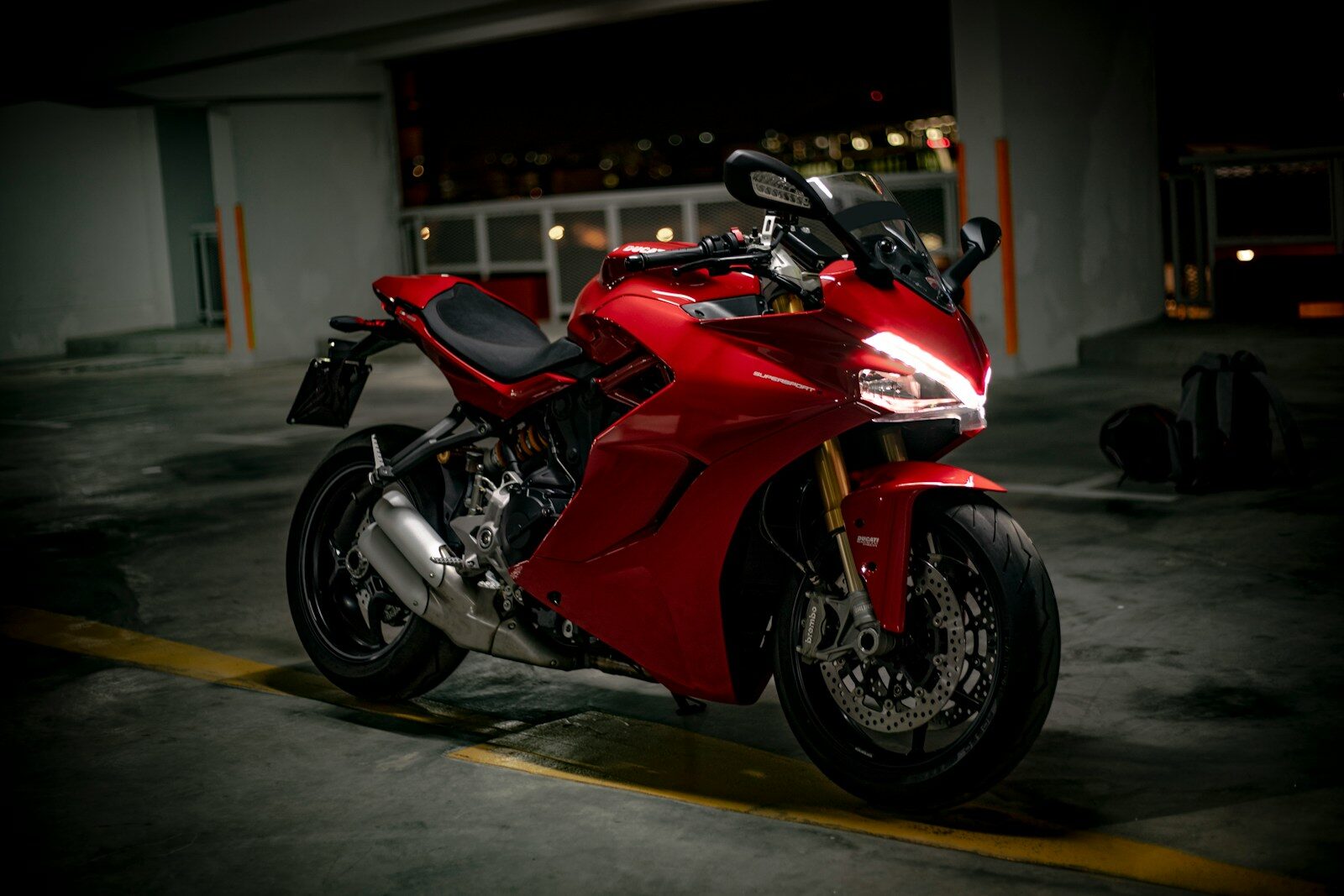
Ducati just got the Italian government to help bankroll a $140 million investment program, and the timing tells you more about the state of the motorcycle business than any spec sheet could. On August 5, Italy’s Minister of Enterprises and Made in Italy, Adolfo Urso, authorized the state agency Invitalia to sign off on a €121 million industrial plan for the Borgo Panigale manufacturer, with roughly a quarter of that total, €33.5 million, arriving as a non-repayable grant from the state itself.
The mechanism here is worth understanding before you get hung up on the headline number. A Development Agreement is how Invitalia backs large private industrial investment programs: the government doesn’t hand a company cash to spend however it likes, funding is earmarked for specific, auditable activities, and the private partner still has to cover the majority of the cost itself. Of Ducati’s full €121 million program, internally named “Ducati Raise the Bar,” more than €99 million is committed to industrial research and experimental development. The €33.5 million grant only covers a slice of that R&D spending, not general operations, payroll, or marketing.
That distinction matters for anyone trying to guess what shows up in showrooms next. Money tagged for industrial research and experimental development typically funds engine and platform engineering, new production tooling, and materials work rather than paint schemes or accessory catalogs. Ducati has already shown what that looks like in practice: the Monster, Hypermotard, and DesertX all disappeared from the lineup during the Euro 5+ transition and returned for 2026 with a redesigned V2 engine built to meet the tighter emissions standard. Expect this new funding to accelerate similar powertrain and platform work across the rest of the range, from the Panigale V4 flagship on down, along with whatever Ducati means by the sustainable technologies language in its own announcement, a phrase that in this segment tends to translate to hybrid assistance, lighter materials, or more efficient combustion rather than a sudden pivot to electric superbikes.
The backdrop makes the timing easier to read. Ducati closed 2025 with 50,895 motorcycles delivered, down from 54,495 in 2024 and 58,224 in 2023, a third straight year of shrinking volume. Revenue fell to €925 million from €1.003 billion, and operating profit was nearly cut in half, dropping from €91 million to €52 million as the operating margin slid from 9.1 percent to 5.6 percent. Ducati’s own leadership pointed to U.S. tariffs, America is the brand’s single largest market, along with unfavorable euro exchange rates against the dollar and yen, and the temporary sales gap left by the Euro 5+ homologation process. CEO Claudio Domenicali called it a “market normalization phase after the post-pandemic peak,” which is a diplomatic way of admitting the boom years of 2021 through 2023 aren’t coming back on their own.
Ducati isn’t the only Volkswagen Group performance brand feeling the squeeze right now. Lamborghini posted record first-half revenue for 2026 but still watched operating profit fall as tariffs and currency swings ate into margins, and the wider Volkswagen Group scrapped its own 2026 growth target after a rough second quarter. Against that backdrop, a government-subsidized R&D program looks less like free money and more like Ducati front-loading investment while its own parent company tightens its belt elsewhere.
For owners and shoppers, a state-backed, multi-year R&D commitment is a healthier signal than it might first appear. Brands that quietly shrink their model lines or slow-walk emissions compliance tend to leave existing owners stuck with parts and support questions down the road; a funded pipeline of new powertrains and production upgrades suggests Ducati intends to keep expanding the range rather than consolidating it. It also reinforces the practical case for protecting Ducati’s home turf: Emilia-Romagna’s Motor Valley, the cluster of manufacturers and specialist suppliers around Bologna and Modena, is exactly the kind of regional industrial base Italian policymakers are trying to defend as global competition in big-displacement bikes gets more crowded.
The deal also lands in the middle of Ducati’s hundredth year in business, a milestone the brand has spent all season celebrating with a record-breaking Centennial edition of World Ducati Week and a fourth straight MotoGP manufacturers’ title on track. A century of history doesn’t fund next-generation engine development on its own, though, and this agreement is Ducati’s clearest signal yet that turning 100 isn’t a reason to coast. It’s the reason to keep spending.
About the Author