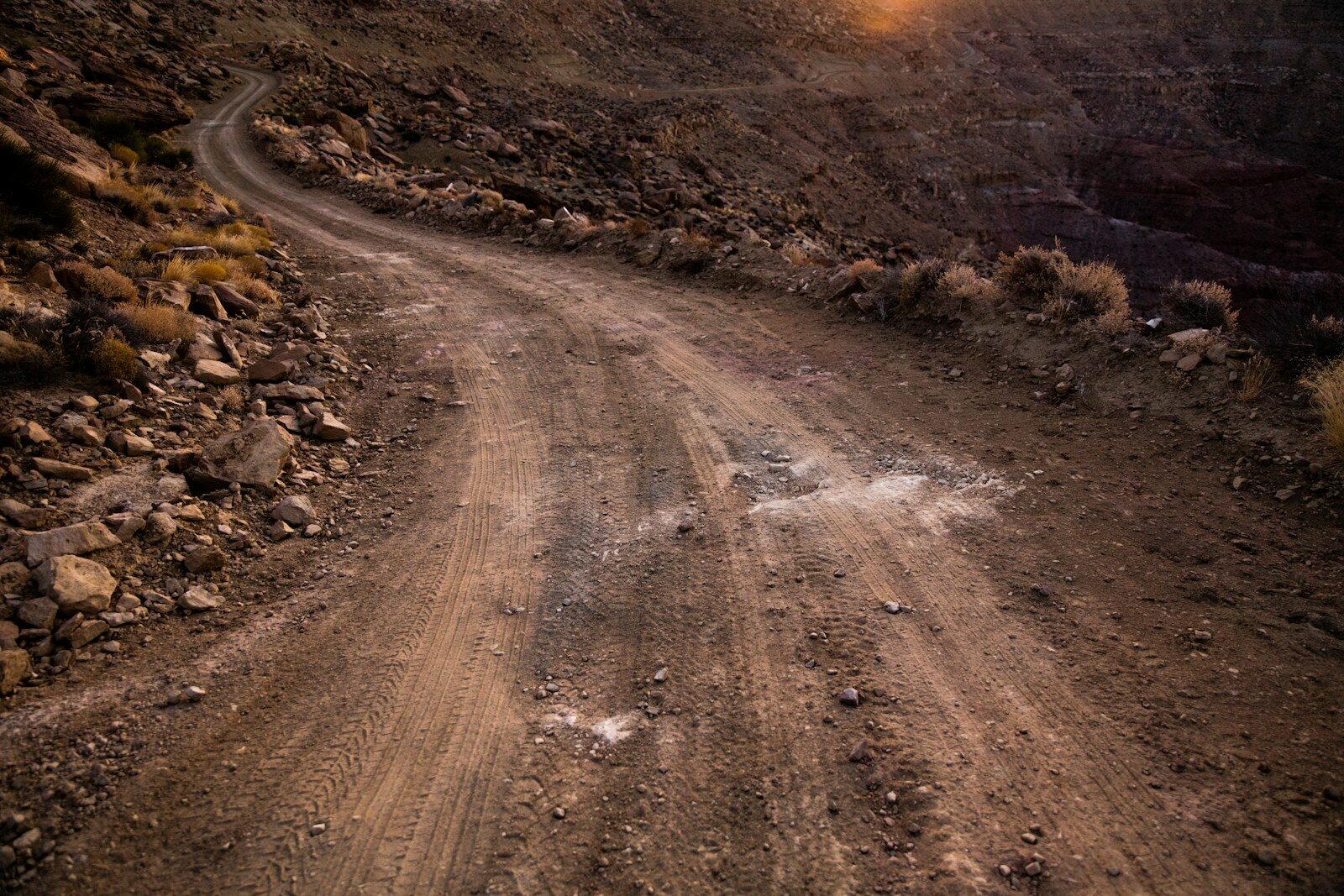
Nothing ends a great day on the trail faster than sinking a tire into mud, sand, or snow with no way to get yourself out. The right off-road recovery gear is the difference between a five-minute fix and an embarrassing call for a tow truck that may never find you. This guide walks through every category of recovery equipment worth carrying in 2026, why it matters, and how to assemble a kit that matches the way you actually wheel.
Check This Out: Best Dash Cams of 2026: How to Choose the Right One for Your Vehicle
Why a Recovery Kit Should Be Your First Off-Road Purchase
Plenty of new drivers spend their first dollars on lights, lift kits, and bigger tires. The truth is that recovery gear should come first. A vehicle that looks the part but can’t self-recover is a liability the moment the terrain gets serious. If you are still assembling the basics, start with our roundup of essential gear picks for anyone getting into off-roading and the more comprehensive weekend off-roader’s essential gear kit, then layer recovery equipment on top.
Recovery Boards (Traction Boards)
Traction boards are the single most beginner-friendly recovery tool. You wedge them under a spinning tire to create instant grip on sand, mud, or snow. They require no anchor point, no second vehicle, and almost no skill. Look for reinforced nylon construction, aggressive tread teeth, and a mounting solution so they ride on the outside of your rig rather than eating cargo space.
Kinetic Recovery Ropes vs. Tow Straps
A kinetic recovery rope stretches under load, storing energy and then releasing it to “yank” a stuck vehicle free far more gently than a static tow strap. For most trucks and SUVs, a 7/8-inch rope with a 28,000-plus pound breaking strength covers the majority of situations. Pair it with soft shackles, which are lighter, float, and won’t become dangerous projectiles the way steel hardware can if something fails.
Winches: When You Need to Pull Yourself Out
When you are wheeling solo, a winch becomes your second vehicle. Match line pull to roughly 1.5 times your loaded vehicle weight, choose synthetic line over steel cable for safety and weight savings, and never run a winch without a damper, gloves, and a tree-saver strap. A winch is also a maintenance commitment, so budget for periodic line inspection.
The Supporting Cast: Shackles, Gloves, and a Damper
Small items make a kit functional. Rated bow shackles or soft shackles connect everything together, heavy gloves protect your hands from frayed line, and a recovery damper laid over a stretched rope absorbs energy if a connection lets go. A folding shovel and a quality tire deflator round out the essentials.
Building Your Kit by Experience Level
Beginners should start with traction boards, a kinetic rope, soft shackles, gloves, and a shovel. Intermediate wheelers add a winch, a snatch block to redirect or double line pull, and a tire repair kit. Hardcore overlanders carry redundancy: two recovery points, backup shackles, and tools to handle a broken rig deep in the backcountry, much like the over-engineered builds we covered in this apocalypse-ready off-road trailer.
Don’t Forget the Vehicle Side
Recovery gear is only as strong as the points it attaches to. Factory tie-downs are not rated recovery points. Install proper recovery hooks or a winch-capable bumper, and understand how your suspension changes recovery angles. If you are weighing suspension upgrades, our explainer on the difference between a lift kit and a leveling kit will help you choose the right setup before you ever need to be pulled out.
Final Word
The best off-road recovery gear is the gear you actually carry and know how to use. Buy quality once, practice in low-stakes conditions, and your kit will pay for itself the first time it turns a trip-ending bog into a quick story for the campfire.
Recovery Safety: The Rules That Keep You Alive
Recovery gear stores enormous energy, and a failed connection can turn a steel shackle into a deadly projectile. Always use a recovery damper over a stretched rope or winch line, keep bystanders well clear of the danger zone, and never stand in line with a loaded rope. Inspect every component before use for fraying, cracks, or deformation, and retire anything that looks compromised. The few minutes these checks take are nothing compared to the cost of an accident.
How to Maintain Your Recovery Gear
Synthetic winch lines and kinetic ropes degrade with UV exposure, abrasion, and contamination. Rinse muddy gear, let it dry fully before storage, and keep it out of direct sunlight when possible. Periodically inspect shackles and hardware for thread wear and corrosion. Well-maintained gear not only lasts longer, it performs predictably when your safety depends on it.
Practicing Before You Need It
The worst time to learn recovery is when you are genuinely stuck, possibly in the dark, cold, or rising water. Practice in a controlled setting with experienced friends so the techniques become second nature. Pair this with the broader skills in our off-road driving techniques guide, and study how to avoid getting stuck in the first place. Recovery competence is a skill, not a purchase.
Read Next: The 10 Best Outdoor Knives of 2026: Top-Rated Picks for Hunting, Camping, and Survival
Recovery Gear for Different Seasons
Winter recovery adds challenges like frozen ground and reduced traction, which is why the same kit doubles as cold-weather insurance, as we explain in our car winterizing checklist. Summer desert recovery demands extra water and heat management. Adjust your kit and approach to the conditions you actually face, and you will be ready whatever the trail throws at you.
About the Author