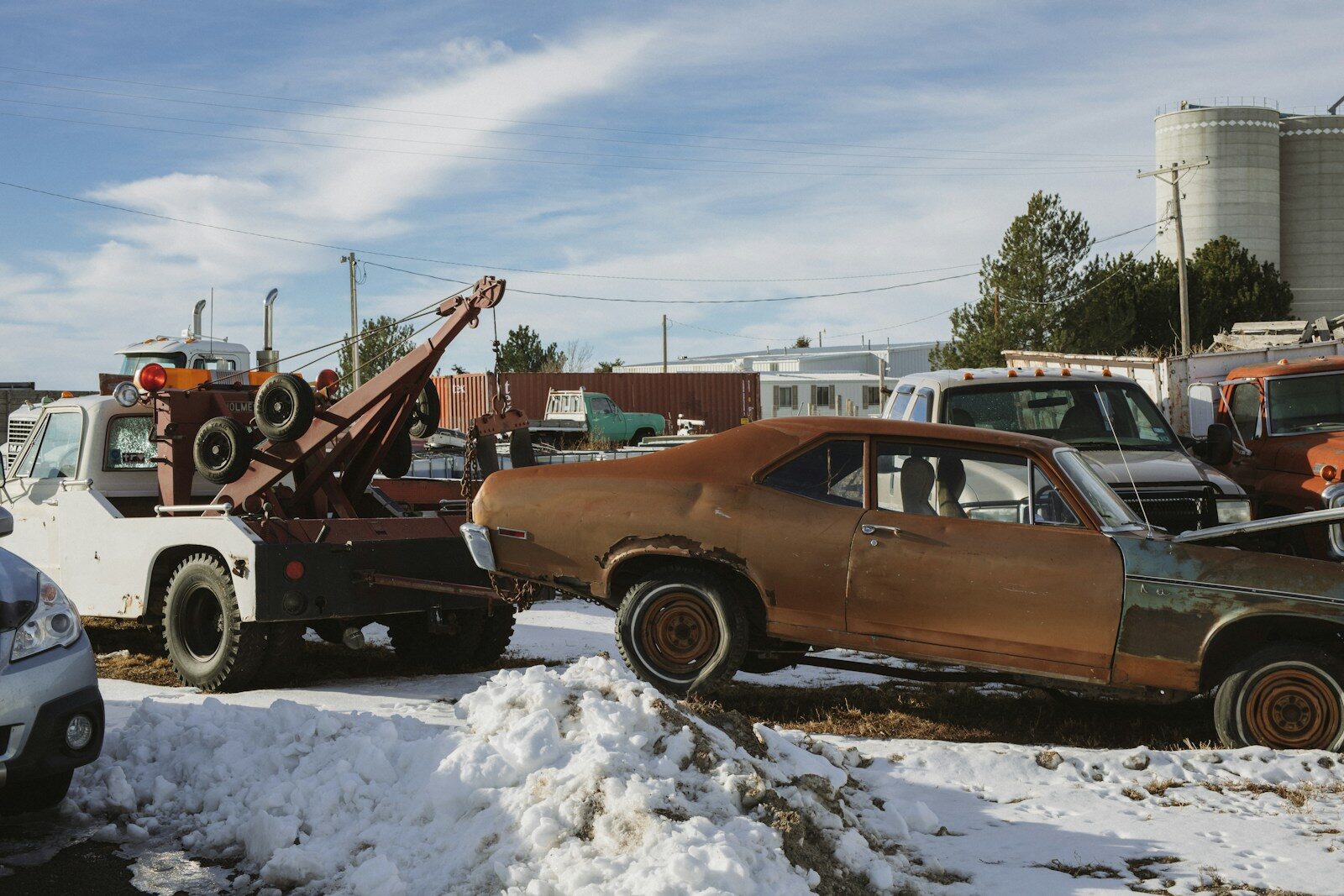
Charlotte City Council’s Safety Committee is looking at changes to the city’s private-property towing rules, a topic it took up at its October and November meetings. Two proposals stand out: banning the towing of vehicles with people inside them, and requiring a property owner’s written authorization for every tow, at any hour. Both are reasonable. Neither touches the bill, though, because North Carolina law doesn’t let cities set tow prices.
The overnight gap
Charlotte’s current rule dates to a 2011 rewrite of its towing ordinance. Under Ordinance No. 4608, a tow truck can’t remove a car from a private lot between 7 a.m. and 7 p.m. unless the driver has written authorization signed by the property owner or an agent. That agent can’t work for the towing company.
Related Articles
- Off-Duty N.J. Police Captain Knocked Down Trying to Stop Two Men Backing His Dad’s Infiniti Out of a Driveway, Then the Car Drives Off
- Australian Builder Spent 2,000-Plus Hours Cramming a Twin-Turbo 427 V8 Into the Front of a Porsche 911, and It’s Joining a Stunt Fleet
The other 12 hours have no such requirement. Overnight, when lots near restaurants and bars are full, the property manager is probably asleep, and nobody else is checking whether a tow is justified, a driver can hook up a car without anyone signing off. Requiring authorization around the clock wouldn’t stop legitimate overnight tows. It would mean a property owner has to approve each one, and that leaves a paper record if the tow is later disputed.
Why ban towing occupied cars
The 2011 ordinance already says that if a car is hooked up but not yet removed, the tower must release it to the owner on request, “without a charge.” Banning tows of occupied vehicles builds on that. If someone is sitting in the car, the tow can’t proceed.
There’s an obvious safety reason too. Hooking up a car with someone sitting in it is how a lot dispute becomes an injury. State law already exposes towers in that situation. Under G.S. 20-219.2, a tower who intentionally or negligently injures someone during a removal can be held liable for damages. A clear local ban would mean drivers and police don’t have to argue that point at the curb.
Why Charlotte can’t cap the price
Charlotte used to set prices. The 2011 ordinance capped a tow at $120 all-in for vehicles under 9,000 pounds, plus $15 a day for storage after the first 24 hours.
In 2014, the North Carolina Supreme Court decided King v. Chapel Hill. A Chapel Hill tow operator had challenged that town’s towing ordinance. The court ruled that the fee schedule and the ban on passing along credit-card fees went beyond the town’s authority, but it left the rest of the ordinance in place. Since then, North Carolina cities have been able to regulate how towing is done, including signs, notice and procedures, but not what it costs. Only the General Assembly can change that, so any fee limits would have to come from Raleigh.
What state law already gives drivers
G.S. 20-219.2 applies in Charlotte. Read it before you’re standing in a tow yard at 1 a.m.:
Related Articles
- Long Island Lamborghini Owner Says Montauk Valets Left the Windows Down in a July Downpour, Sues Gurney’s for $195,201.96
- Police Say a Stolen Car With Seven Teens Inside Ended Up in Maine’s Sabattus Pond, and the 16-Year-Old Driver Is Charged With Kidnapping
- Signs: Lots must have signs at least 24 by 24 inches at every entrance, showing the towing company’s current name and phone number. Towing under the statute can’t start until 72 hours after the signs go up.
- Distance: If a storage lot exists within 15 miles, your car can’t be taken more than 15 miles away.
- Your right to contest: When you pick up your car, the company must tell you in writing that you can pay the lien, get the car back immediately and still dispute the charges.
- No waivers: The company can’t make you sign away your rights to get your car back. The only form it can require is a receipt acknowledging the car was released.
The tower’s legal claim on your car under G.S. 44A-2 covers “reasonable” charges for towing and storage. Nobody publishes a price list, but “reasonable” is a legal standard, and a court can rule that a particular bill doesn’t meet it. Paying, getting the car back and then fighting the amount is a legitimate option.
What to do if your car is towed
- Before you leave the lot, photograph every entrance sign. A missing, small or out-of-date sign is your best evidence later.
- At the tow yard, ask for the written notice of your rights the statute requires. Pay under protest, get an itemized receipt and refuse to sign anything except a release receipt.
- Check your insurance. Roadside or towing coverage usually applies to breakdowns and crashes, not to having your car removed from a private lot. Assume you’ll pay this yourself, and keep records in case you dispute it.
- If you own or manage a lot, tighter authorization rules mean more paperwork for you. They also help protect you from being blamed for a tow you never approved.
What happens next
The committee hasn’t voted on anything. Any changes would still need to go to the full council. The procedural fixes will likely move first. Price is Raleigh’s call.
Should a 2 a.m. tow need the same signature as a 2 p.m. one?
About the Author