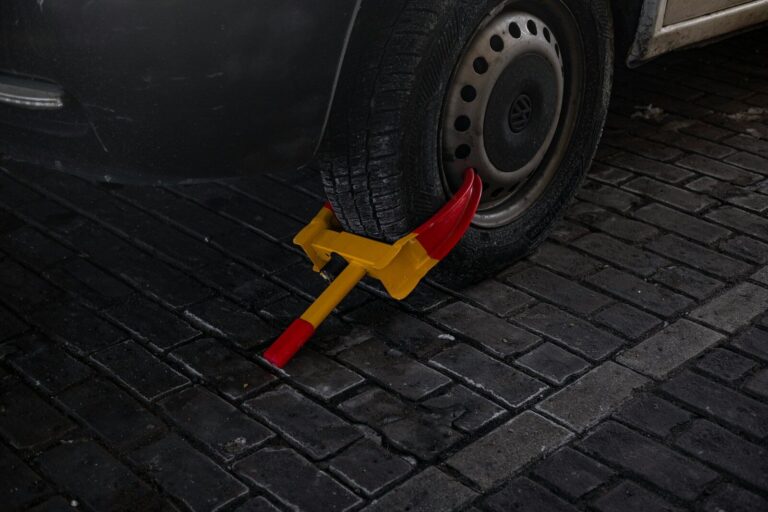
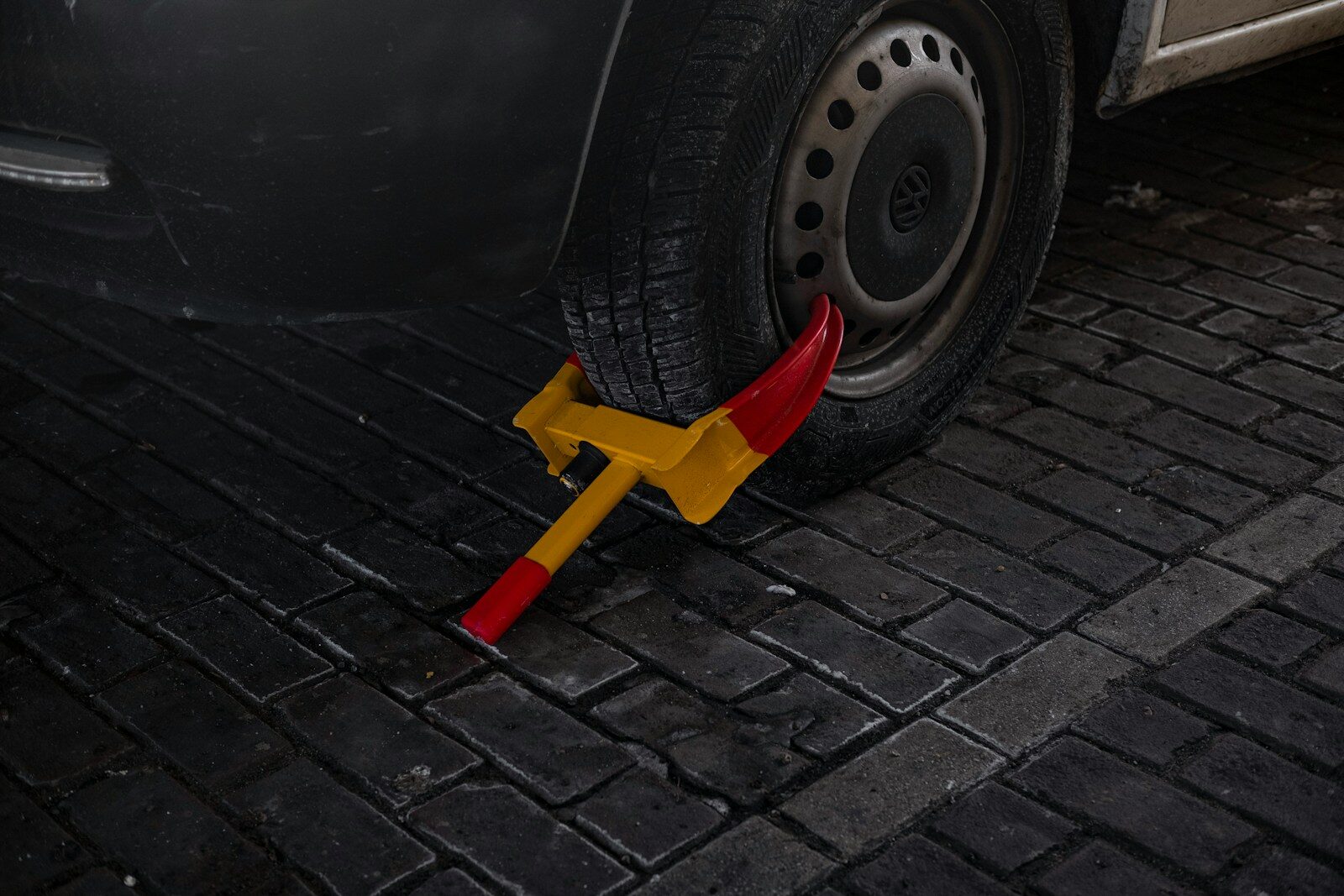
The yellow clamp on a Chicago wheel looks like a parking penalty. The city’s own records suggest it mostly works as a debt collector for its cameras.
From Jan. 1, 2020, through Dec. 31, 2025, the city booted more than 283,000 vehicles. That figure comes from a joint WBEZ analysis done with the Chicago Sun-Times. Drivers in Englewood, Oakland, West Garfield Park, and parts of Austin, East Garfield Park, Humboldt Park and Woodlawn were booted at twice the citywide rate. The six ZIP codes with the most boots per 1,000 vehicles have median household incomes between $34,000 and $54,000. wbez
Related Articles
- A Miami Street Takeover Driver Spun Into a Waymo With 3 Passengers Inside, Drove Off, and the Crowd Jumped on the Robotaxi
- An East Tampa Intersection Just Had Crash No. 22, 8 Months After FDOT Said It Would Study It. A Homeowner’s Fence Took the Hit
Red-light and speed camera tickets were the top violation among booted drivers every single year. Expired meters and forgotten city stickers came second. Most boots trace back to a camera. wbez
How the countdown works
The legal trigger is low. Once an owner has three or more final determinations of liability, or two that are more than a year old, all vehicles registered to that owner become eligible for immobilization, according to the court record. Note the word “all.” Your spouse’s commuter car or the weekend car you keep garaged can be booted over tickets from a different car. supremecourt
It’s easy to get there. Drivers get 21 days to pay. If they don’t pay or contest within 25 days after that, a final determination arrives and the fine doubles or rises by up to $250. More than 1.1 million drivers are boot-eligible right now. The median booted driver owed about $650, and about one in four booted drivers got booted more than once. wbez
Once the boot is on, owners have 24 hours to pay or set up a payment plan, plus one extension, according to the Department of Finance. After that, the fees add up quickly. The city’s fee schedule lists a $100 boot fee for passenger vehicles and a $150 tow for vehicles under 8,000 pounds. Heavier vehicles pay $250. Storage is $25 a day, or $50 a day for heavier vehicles, capped at $1,000. If you drive a heavy-duty pickup or a big work van, that weight line is worth knowing. chicagochicago
Run it for the median driver: $650 in tickets, a $100 boot, a $150 tow, a week of storage, and the bill clears $1,000 before collections even calls. Even booted-vehicle payment plans require a down payment that covers boot, tow, and storage fees on top of part of the ticket balance. chicago
Don’t try to drive off with the boot on. Dragging a locked wheel can ruin the wheel, the tire and suspension parts in a single block. The city’s debt relief ordinance also lists a vehicle immobilization device tampering fee as a separate charge. chicago
When the car doesn’t come back
The city auto pound holds an unclaimed vehicle for 21 days before it can be auctioned or destroyed, and the city warns that surrendering a vehicle doesn’t erase any debt you owe. About 43,000 booted vehicles were also towed during the six years, and more than 12,000 had not been returned to their owners as of Jan. 9. chicagowbez
The Supreme Court nearly took this up. In O’Donnell v. City of Chicago, the petition was denied on October 19, 2026. Even so, Justice Sotomayor’s statement, joined by Justice Gorsuch, describes the case in detail. O’Donnell got three parking tickets totaling about $524, and the city sold his car for $273 in scrap value. The second petitioner, Goree, had no tickets of his own. His car was impounded over a co-owner’s debt on a different vehicle and handed to the lienholder. Sotomayor suggested the program’s real purpose “is to collect a debt, not enforce public safety laws.” cornellsupremecourt
Related Articles
- An ECU Student Traded 1 Purple Paper Clip Up to a 2003 BMW in One Semester, and North Carolina Wants Its 3%
- Feds Say Racing Sponsor’s Co-Founder Pocketed $130 Million From a $600 Million Ponzi Scheme
Financed car? Losing it to the pound doesn’t erase the city debt, and the loan payments don’t stop because the car is gone.
The city’s side
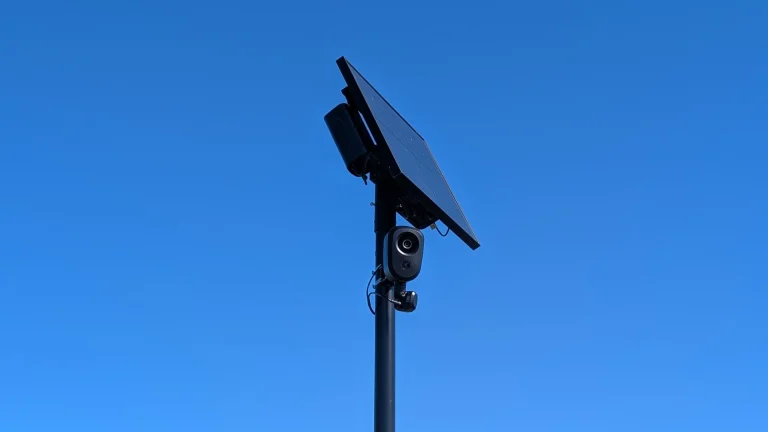
The booter trucks carry cameras that use AI to scan every plate on a block, and a worker has to confirm each match before installing a boot. Chicago has 74 booting zones. Comptroller Michael Belsky said the city doesn’t target particular communities, that the technology isn’t biased, and that the city has no revenue goals. wbez
Take him at his word on the trucks. They still only hunt plates on the debt list, and that list is made of drivers who couldn’t pay.
What owners should do now
- Check your plate before a booter finds it. Two old tickets can be enough.
- Look into Clear Path Relief. Drivers at or below 300% of the federal poverty level pay only the original fines from the last three years. The rest is forgiven if they stay on a payment plan for a year. Parking-meter debt is excluded. wbez
- Keep an eye on the budget. Mayor Johnson’s proposed Vehicle Debt Amnesty Program would waive late penalties and collection costs. wbez
- Answer every notice. Contesting a ticket costs nothing. Ignoring it is how a $100 camera ticket turns into a $1,000 bill.
If you’ve been booted in Chicago, what did the final bill come to once the tow and storage hit?
About the Author