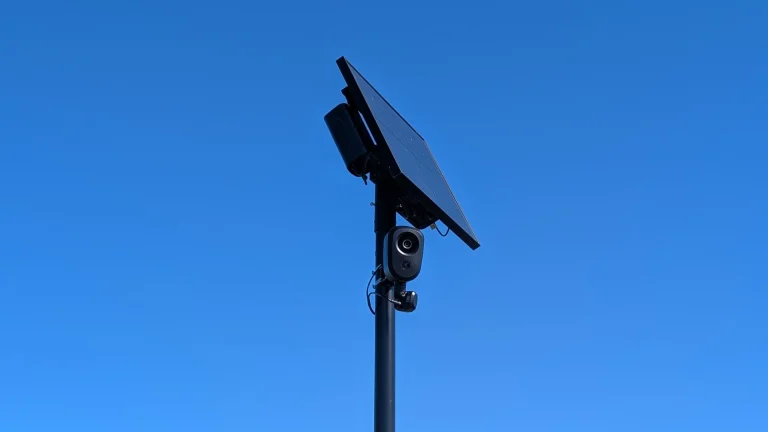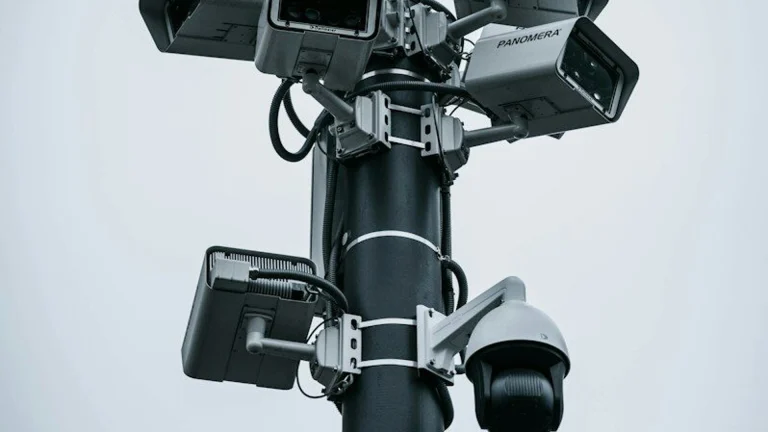
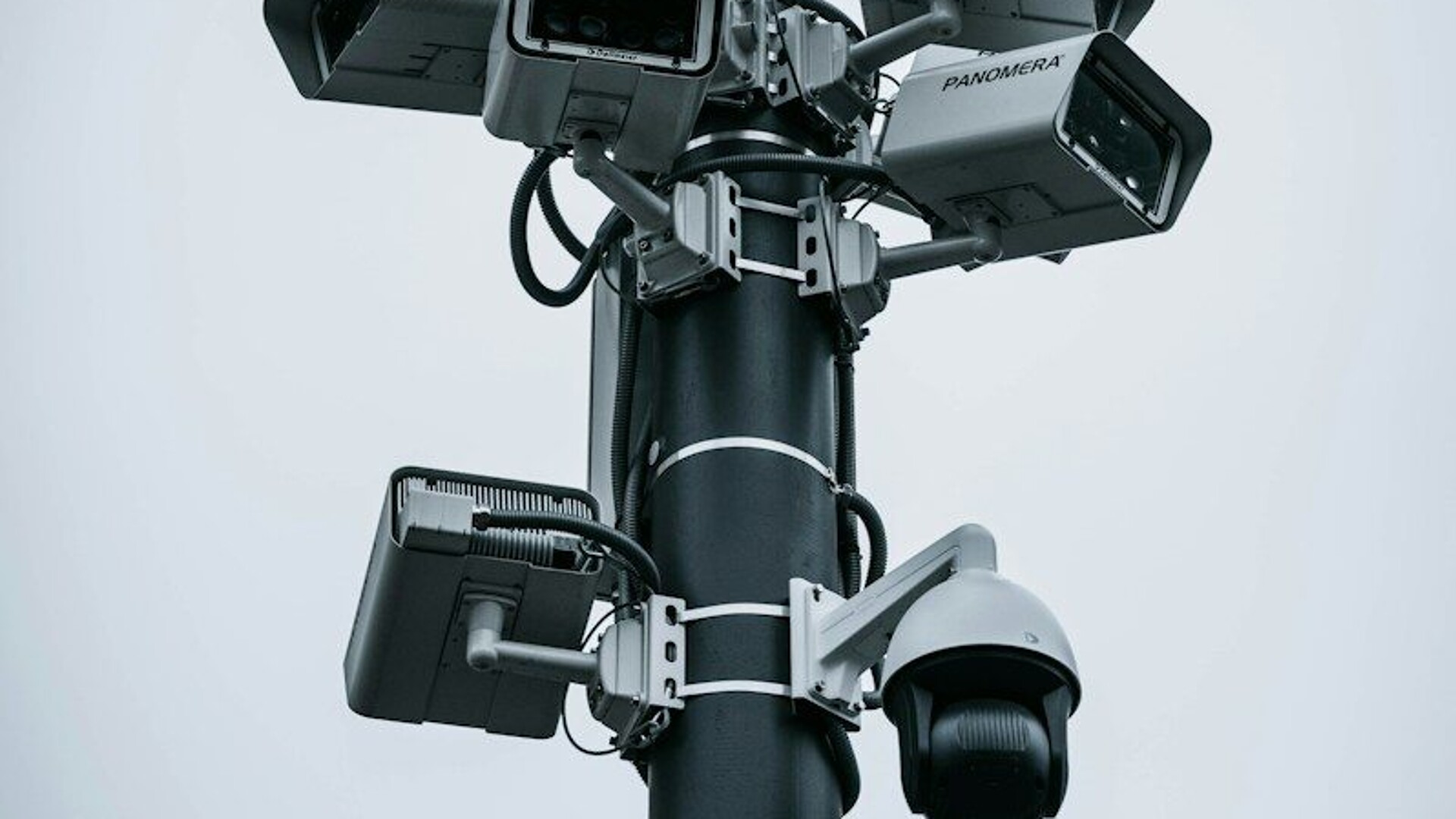
Redmond, Washington, argued about its police plate readers for roughly a year. The argument ended on the poles: on Nov. 18, the city said Flock Safety had pulled down all 24 cameras.
The details are in the city’s announcement. Flock Safety removed all 24 cameras. Twenty-one belonged to the city and three to a homeowners’ association. The City Council started removing the city-owned units when it ended the Flock contract at a July 21 study session. Before that, the cameras had been suspended since November 3, 2025, and access to the system was turned off during the council’s review. redmond
Mayor Angela Birney said the city was responding to its residents: “Our community raised significant concerns about their safety and privacy while the Flock ALPR cameras were in use.” redmond
Nothing went wrong in Redmond. That wasn’t the issue.
Redmond never had a data breach. The city says it didn’t share data nationwide, only trained staff could search the system and only for legitimate investigations, every outside request was reviewed by hand, and data was deleted after 30 days. It also says no out-of-state or federal agency ever requested or received Redmond’s ALPR data. redmond
Related Articles
- A Bexar County Man Shut His Gate on a Repo Truck and Shotgunned Its Tires With the Driver Inside, Deputies Say. Now: 2 Agg Assault Counts
- Victoria’s ‘999’ Heritage Plate Sold for A$1.26 Million With No Car Attached, Setting an Australian 3-Digit Record
The concern came from other cities’ systems. A University of Washington Center for Human Rights report, published in October 2025, found that at least eight Washington law enforcement agencies set up direct sharing with U.S. Border Patrol at some point in 2025. Those were Benton County Sheriff’s Office and police in Arlington, Auburn, Lakewood, Richland, Sunnyside, Wenatchee, and Yakima. At least ten more departments that never approved Border Patrol searches appeared to have “back door” access open to the agency. Redmond police announced the suspension on social media two days after the council recommended it. washington
That’s the uncomfortable part. Redmond could write airtight rules for itself and still be only as safe as the sloppiest agency on the network.
What the camera actually records
Most drivers think of a plate reader as an automated meter maid. That undersells it. Flock’s own product page says its cameras record “key vehicle characteristics, such as make, color, and body type,” and that officers can search on full, partial, and temporary plates, including cases where the plate is missing. Its Vehicle Signature and FreeForm tools are pitched as able to recognize thousands of unique vehicle characteristics. www.flocksafety.com
Bad news if your car has personality. The more distinctive your car, the easier it is to find. Pulling a plate off a matte-wrapped Civic on bronze wheels doesn’t make it anonymous. In a parking lot full of beige crossovers, it stands out more than ever.
The state has written rules since
Washington regulated the technology this year. Senate Bill 6002 took effect March 30, 2026. Under the law: wa
- Plate data generally can’t be kept more than 21 days. Redmond’s old 30-day policy would have been too long. wa
- Agencies can’t use the systems for immigration enforcement, and vendors have to build technical controls that block unauthorized sharing. wa
- Data can’t be collected at or right around health care facilities, schools, places of worship, courts, or food banks. wa
- Willful misuse is a gross misdemeanor. People who are harmed can sue for damages and attorneys’ fees. wa
There’s a catch. ALPR data is now exempt from the Public Records Act, so drivers can no longer use a records request to see what the cameras logged about their own car. wa
Related Articles
- Watch: A Stolen BMW Fleeing Police at 80-Plus MPH Blew Through an M25 Closure in Essex, Barely Missing 3 Workers. Nobody Was Charged
- An Elantra Fleeing 3 Police Agencies Hit a Minivan With 4 Kids in Loganville, Ga. — Now the Driver Faces 4 Child-Cruelty Counts
The law also doesn’t reach every camera that reads plates. Photo toll system cameras are excluded outright. Speed and traffic safety cameras are excluded too, as long as they don’t interface with an ALPR system for unauthorized purposes. Your toll account and the speed camera near the school still record your plate. They just answer to different statutes. wa
What about the HOA’s cameras?
Three of the 24 cameras belonged to a homeowners’ association, and that is the part to watch. SB 6002 regulates government agencies. It doesn’t directly cover privately run systems, though agencies need a probable-cause warrant to get privately held plate data. Those three cameras came down as part of the citywide removal. Nothing in state law stops an HOA, a shopping center, or a dealership lot from putting up its own. wa
What owners should take away
- Your plate is only part of the record. Make, color, body style and visible modifications can all be searched.
- Tolls and speed cameras are separate. The new ALPR limits don’t apply to them.
- Privately owned cameras are the gap. Police now need a warrant to get that footage, but businesses and HOAs face little regulation over collecting it.
Three of those 24 cameras were bought by an HOA, and state law doesn’t stop the next HOA from putting one up at the subdivision entrance. If your neighborhood had a plate camera at the gate, would you want a city council or an HOA board deciding who sees the footage?
About the Author