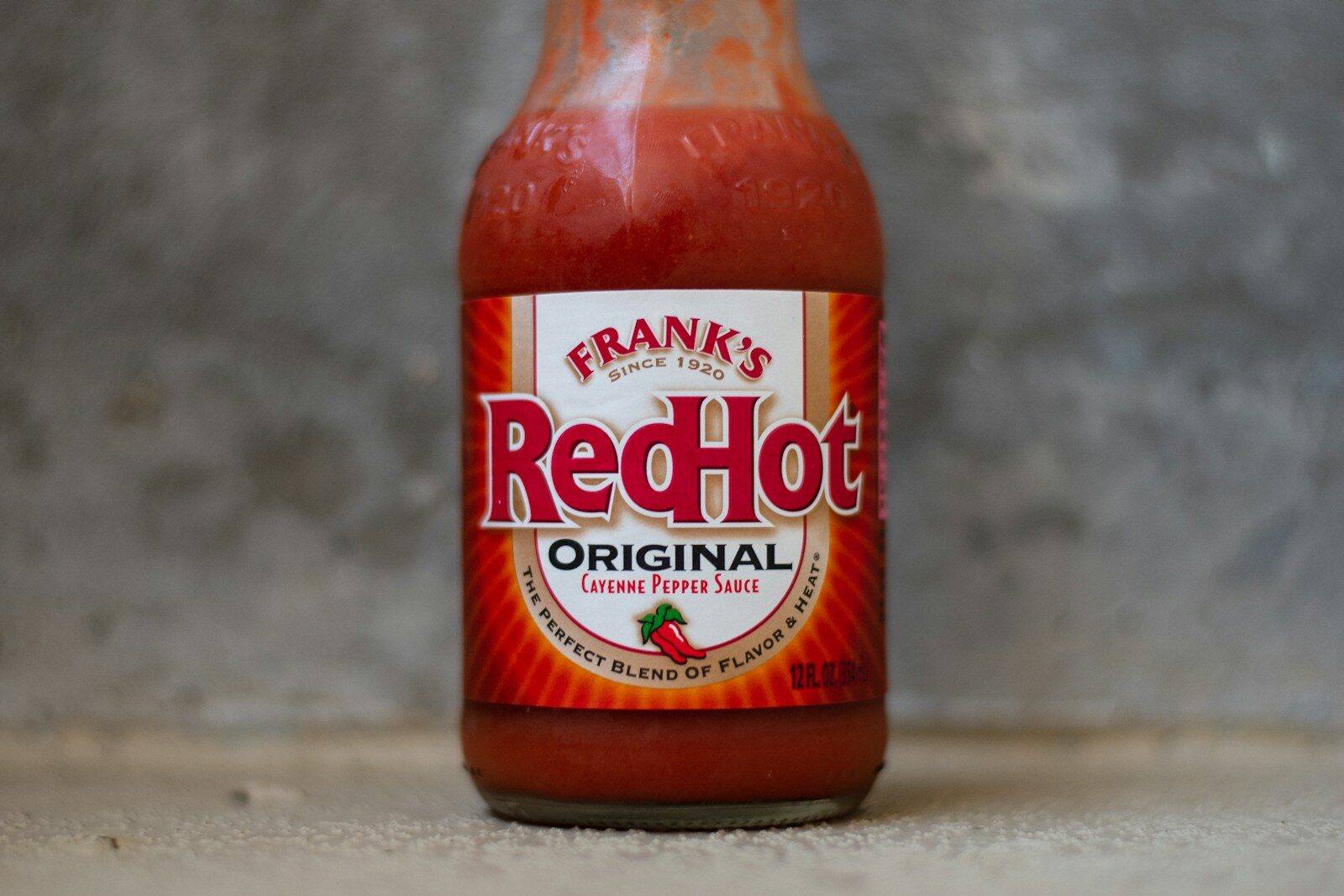
Somewhere on Interstate 71 just outside Columbus, Ohio, a highway on-ramp got an unplanned color change this week, courtesy of a leaking trailer and roughly 40,000 pounds of America’s favorite wing sauce.
Crews with the Berkshire, Sunbury, Trenton and Galena Fire District responded to a report of an unidentified reddish liquid pooling near the Exit 19 ramp, the kind of call that usually ends with a hazmat suit and a lot of questions. This time it ended with someone reading the shipping manifest and, presumably, a collective sigh of relief: the mystery fluid was a trailer-load of Frank’s RedHot, leaking out of its container and onto the asphalt.
The fire district didn’t bury the punchline. In a Facebook post announcing what crews had found, they described discovering a trailer full of 40,000 lbs. of Frank’s Red Hot leaking. Firefighters kept the site contained while a second tanker truck was brought in to transfer what remained of the load out of the compromised trailer, a fairly standard move for offloading a leaking bulk shipment without spilling even more of it onto the road.
Here’s the part that actually matters if you’ve ever wondered why a condiment spill gets a multi-agency response instead of a shrug: Frank’s RedHot, like most hot sauces, is built on a vinegar base with a pH usually sitting around 3, acidic enough to qualify as a legitimate corrosive nuisance once it’s flowing by the ton. That’s why Ohio’s EPA got looped in alongside the fire district. Their job wasn’t public safety in the traditional sense, it was making sure several thousand gallons of acidic runoff didn’t find its way into a storm drain and, from there, into a waterway. Under the Clean Water Act, that’s a reportable discharge regardless of whether the liquid started life as a wing sauce or diesel fuel. Dairy spills get similar treatment for the same reason, which is part of why a truckload of mozzarella shutting down a Pennsylvania interstate pulled a comparable environmental response.
None of this required a hazmat placard, for what it’s worth. Frank’s RedHot doesn’t meet the Department of Transportation’s threshold for a regulated hazardous material, so the truck was almost certainly running as a standard food-grade liquid hauler, not under the placarded corrosive-liquid rules that would apply to something like industrial vinegar concentrate. The distinction matters for the carrier’s paperwork and insurance exposure: a non-hazmat cargo claim is a straightforward product-loss and cargo-liability matter, while a placarded hazmat spill triggers a different tier of reporting, specialized cleanup contractors, and potential fines. Whoever wrote this trailer’s bill of lading is having a bad week, not a regulatory nightmare.
At roughly 40,000 pounds, or 20 tons, the sauce was likely riding in food-grade totes rather than sloshing loose in an open tank, which tracks with a fitting or seam failure rather than a rollover or structural break. With much of the country baking under a serious heat wave, it’s worth noting that thermal expansion inside a sealed liquid load is a real, if usually minor, contributor to gasket and fitting failures on tank trailers during extended heat exposure. Nothing here confirms the heat caused this particular leak, but it’s a detail worth filing away next time a mystery leak story breaks in July.
It’s not even the strangest cargo to escape a semi this year. A Washington highway got an unscheduled visit from millions of bees after a hive-hauling trailer went over, and a Missouri interstate watched a truckload of ribeyes catch fire instead of a grill. Compared to that, a highway that smelled like a wing night is getting off easy.
Nobody was hurt, traffic got rerouted around the ramp, and somewhere a very large number of chicken wings are now missing their intended sauce. As far as hazmat calls go, this is the rare one where the responding crew could have used a bag of tortilla chips more than a decontamination shower.
About the Author