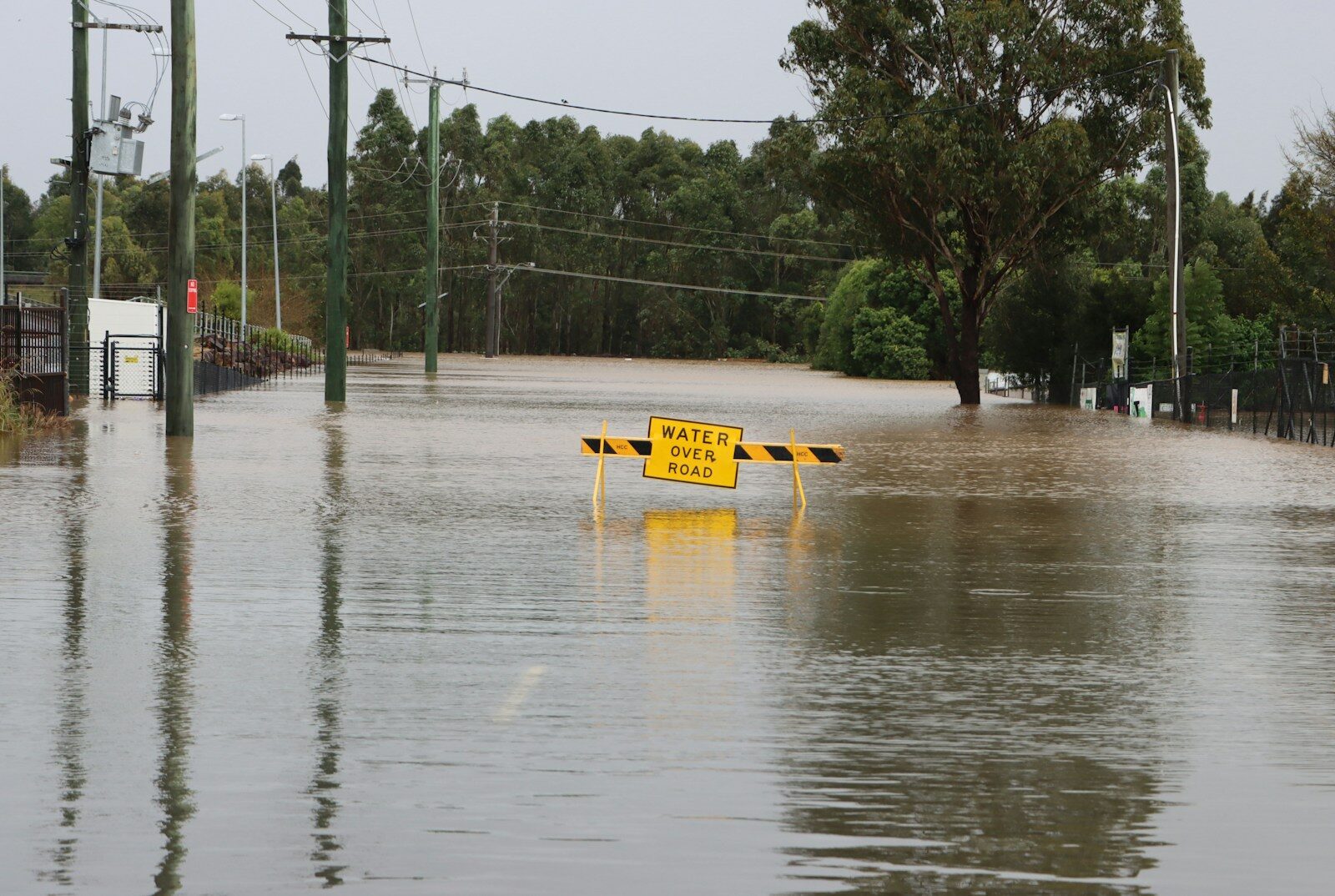
Highway 59 in Marshall, Texas isn’t built for boats, but Monday afternoon it briefly worked like one. A fast, heavy band of storms parked over Harrison County and dropped enough rain to turn a stretch of the highway into waist-deep water, stranding cars and pulling tow trucks into a recovery job that turned into its own disaster. Videographer Joey Starr caught the whole thing on camera, and the footage is now a pretty good case study in how not to pull a car out of a flooded roadway.
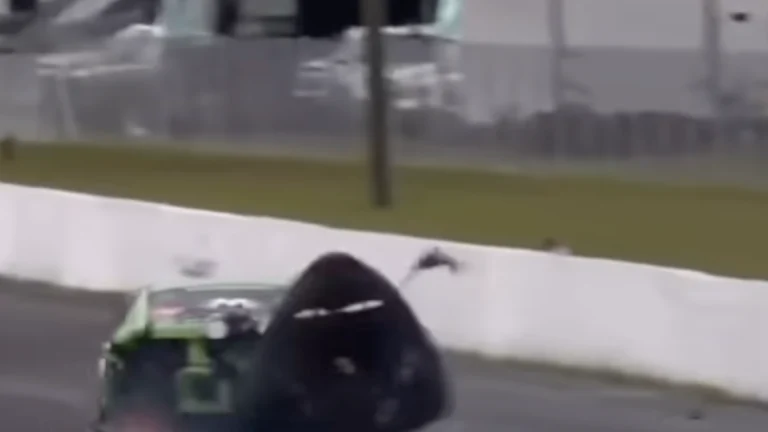
In the clip, a tow truck operator wades out to a sedan sitting nearly submerged in the floodwater, hammers out the passenger window, and rigs a cable to the car. So far, that’s a defensible call. Smashing a window before hooking up a cable is standard practice for water recovery crews, partly to check that nobody’s trapped inside and partly to let trapped air escape so the car doesn’t act like a cork. What happens next is not defensible. As the truck takes up slack and starts pulling, the sedan doesn’t slide toward dry pavement, it rotates and slams over onto its side, dunking itself right back into the water it was supposed to be leaving.
Floodwater changes the physics of towing more than most people realize. A car sitting in two to three feet of water is partially buoyant, meaning its tires are pressing down on the pavement with a fraction of the force they would on a dry road. Reduce that downward force and you also reduce the friction holding the car in a straight line, so a cable pulling from a single high point, like a factory tow hook or a bumper bracket, can generate a rotational moment instead of a straight pull. Add a partially flooded cabin sloshing water toward one side of the car, and you’ve got a vehicle that would rather roll than slide. Professional water-recovery outfits get around this with a low, straight pull rigged underneath the frame, sometimes using a snatch block to redirect the line, and a slow, controlled retrieve rather than a truck simply driving off with a jerk. None of that happened here.
The tow truck fiasco was a small chapter in a much bigger story. Harrison County saw numerous roads swallowed by high water that same day, and crews had to pull employees out of a flooded 7Brew coffee stand. The National Weather Service’s Shreveport office, which covers Marshall, flagged an increased risk of locally heavy rainfall and flash flooding stretching across east Texas and into north Louisiana into Wednesday, and the same plume of Gulf moisture that soaked Harrison County kept organizing through midweek, prompting forecasters to track a developing tropical system taking aim at the Texas-Louisiana border. Monday’s flood wasn’t a one-off cell that blew through and left; it was the opening act of a multi-day soaking.
There’s a reason meteorologists keep repeating that just a foot of moving water can float a sedan and two feet can carry away a pickup or SUV: it’s true, and it’s exactly what happened to this car before the tow truck ever showed up. A growing number of Texas cities and counties have also adopted ordinances letting them bill drivers for the cost of a rescue or recovery if they drove around barricades into a closed, flooded road, which turns a bad decision into a bill on top of a bad decision. And once a car has actually been sitting in floodwater, whether or not it gets pulled out gracefully is almost beside the point. Insurers overwhelmingly total flood-submerged vehicles because water gets into wiring harnesses, control modules, and airbag sensors in ways that don’t show symptoms right away, and that kind of damage is covered only under comprehensive coverage, not liability. If your policy doesn’t include comprehensive, a flooded car is a total loss you’re paying for yourself.
That total-loss math is also why flood events like this one quietly reshape the used car market months later. Cars submerged in Texas this week, along with the ones claimed by Hurricane Helene’s floodwaters last year, tend to reappear at auction with cleaned-up titles and a fresh detail job. Shoppers checking out a suspiciously well-priced used car should check for a musty smell that air fresheners can’t fully mask, corrosion on screws and seat-track hardware that should never rust, a water line staining under the dash or inside the trunk, and fogged-up tail lights or interior lighting, all common tells of a car that spent time somewhere it shouldn’t have.
As for the tow truck driver in Marshall, he’s now got company in the very crowded genre of recovery attempts that needed their own recovery, the kind of thing we round up regularly in Tow of Shame Tuesday. It’s the same instinct that sank a Ford Ranger Raptor attempting a beach rescue in Florida earlier this year: good intentions, wrong technique, and a vehicle that ends up worse off than when the rescue started. The lesson holds regardless of the location or the terrain. Floodwater and soft sand don’t care how big your winch is if the rigging is wrong.
About the Author