Turbo. It’s one of the best words in all of car culture, and also one of the most misunderstood. Everyone knows a turbo makes more power. Far fewer people can tell you how a spinning snail bolted to your exhaust turns a tiny engine into a giant killer. Let’s fix that.
The basic idea: free air
An engine makes power by burning fuel and air. More air means you can burn more fuel, which means more power. A turbocharger’s whole job is to cram more air into the engine than it could ever suck in on its own.
Check This Out: Best Dash Cams of 2026: How to Choose the Right One for Your Vehicle
How it pulls off the trick
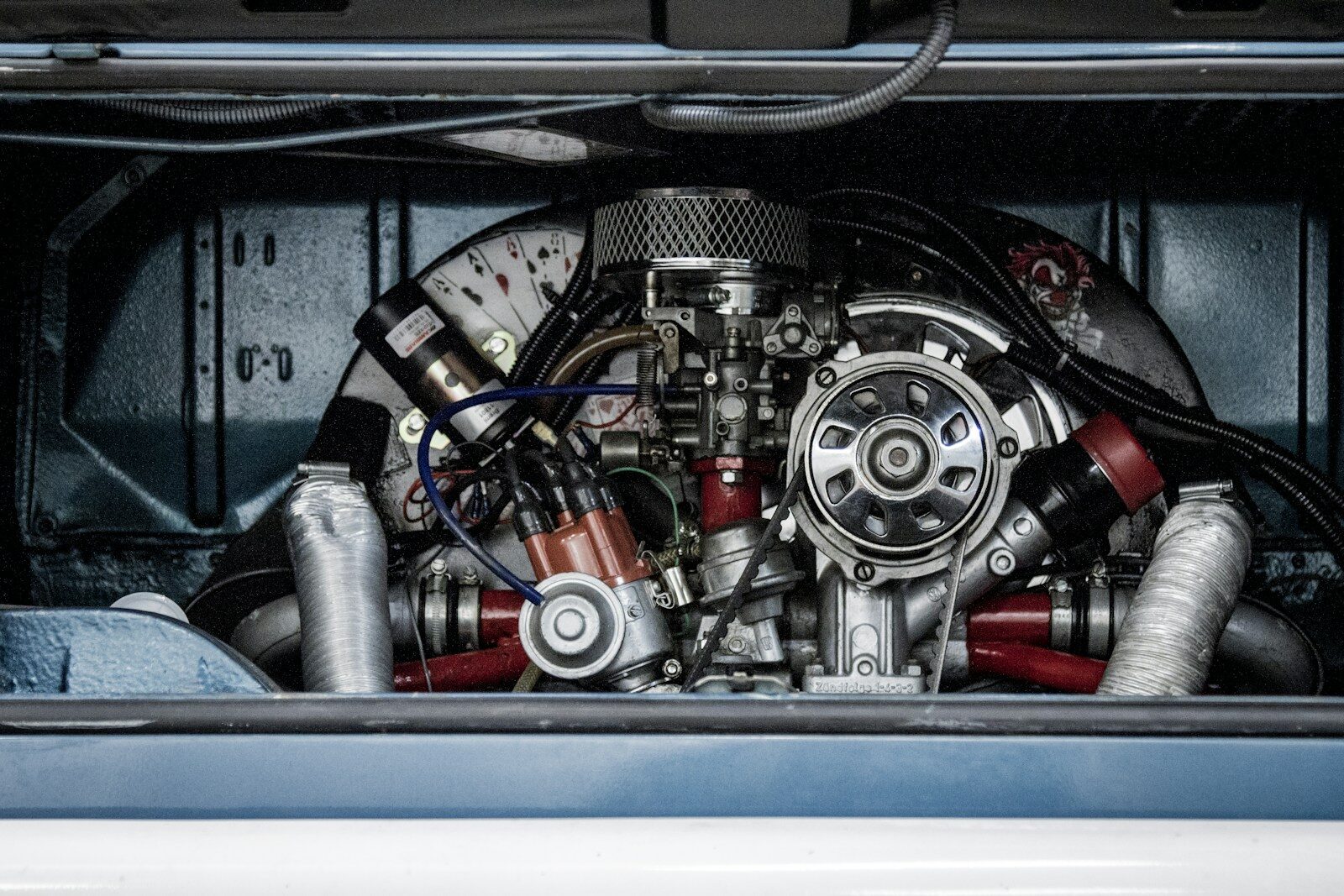
Your engine dumps a lot of hot, high-pressure exhaust gas out the tailpipe – normally wasted energy. A turbo puts that waste to work. Exhaust gas spins a turbine wheel, which is connected by a shaft to a second wheel called the compressor. The compressor packs fresh air into the intake under pressure. That pressure is what everyone means by “boost.”
Turbo lag and the wastegate
Read Next: The 10 Best Outdoor Knives of 2026: Top-Rated Picks for Hunting, Camping, and Survival
The catch is turbo lag – the brief pause while the turbo spools up to speed before boost arrives. Smaller turbos spool faster with less lag; bigger turbos make more power up top but take longer to wake up. A wastegate controls how much boost the turbo makes by bleeding off excess exhaust, keeping the engine from grenading itself.
Forced induction is why a modern four-cylinder can embarrass an old V8, and it’s the beating heart of the tuner and supercar world. If you’re eyeing a used turbo car, our inspection checklist flags the signs of a tired, abused turbo before you buy. Even the wildest builds, like Jay Leno’s 1,070-hp sleeper, lean on forced induction to make silly numbers.
The bottom line
A turbo is just a clever way of recycling wasted exhaust energy into free power. It’s one of the most brilliant ideas in automotive history – and it’s why “small engine” no longer means “slow.”
About the Author