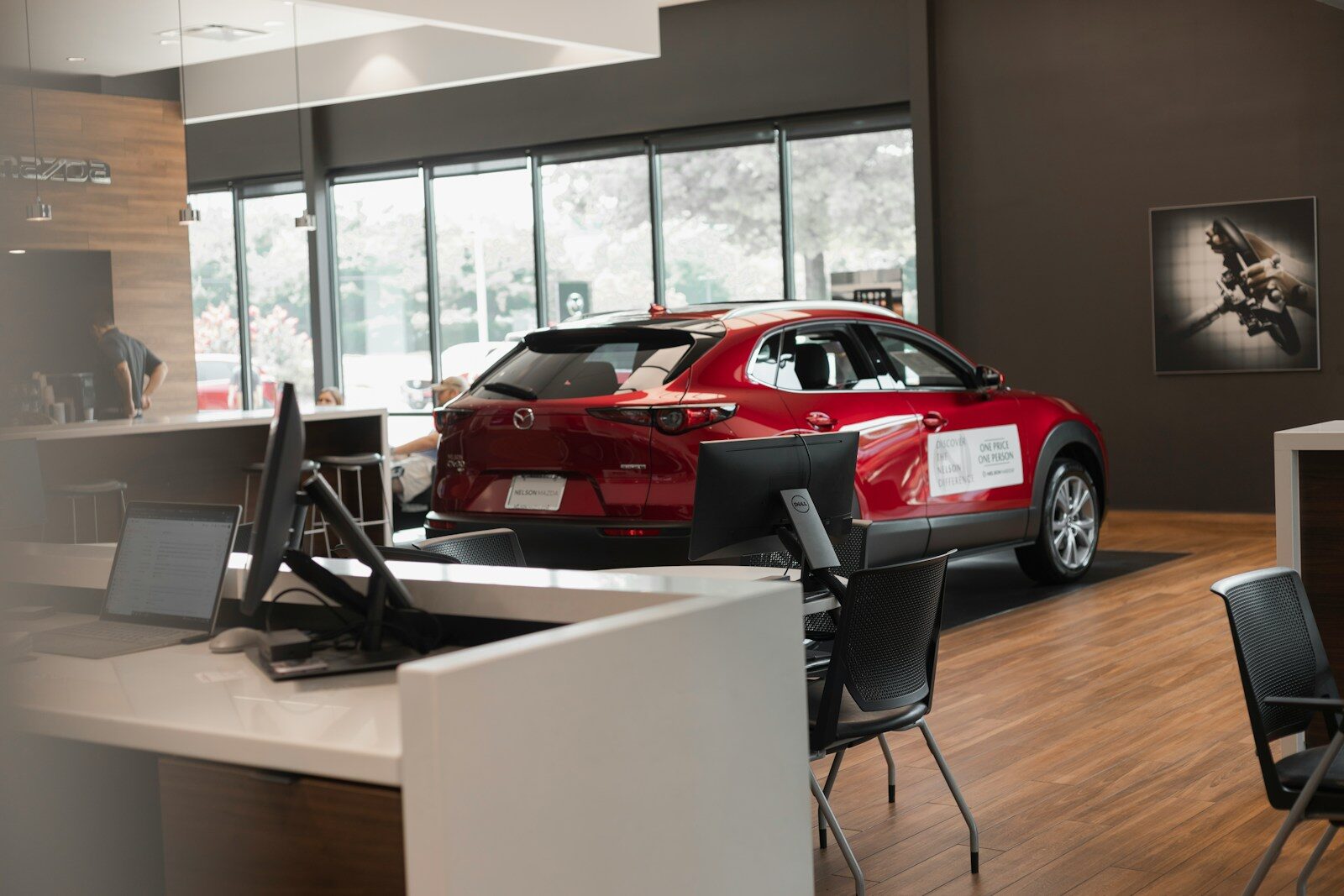
Depreciation is the most expensive part of owning a car, and it’s the one nobody at the dealership wants to talk about while you’re signing paperwork. That shiny new car can shed thousands of dollars before you’ve made it home. Here’s why it happens – and how to keep more of your money.
Why the value evaporates
The instant you buy, your car goes from “new” to “used,” and that label alone knocks a chunk off. From there, depreciation is driven by supply and demand, brand reputation for reliability, mileage, condition, and how many identical examples are flooding the market. Most cars lose the steepest value in the first two to three years, then the curve flattens out.
Check This Out: Best Dash Cams of 2026: How to Choose the Right One for Your Vehicle
The cars that bleed the most
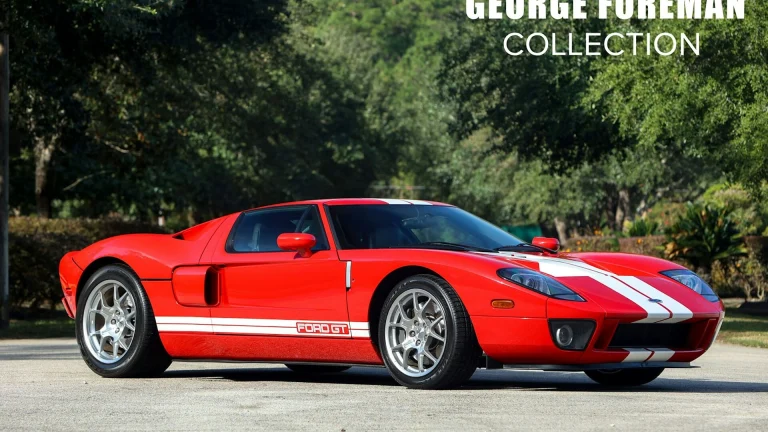
Luxury sedans and anything with cutting-edge tech tend to nosedive hardest, because expensive-to-fix complexity scares off used buyers. Even exotics aren’t immune – plenty of six-figure supercars take brutal hits, as anyone who watched a barely-driven Ferrari 296 GTS shed $130,000 can tell you.
How to lose less
Read Next: The 10 Best Outdoor Knives of 2026: Top-Rated Picks for Hunting, Camping, and Survival
Buy slightly used and let the first owner eat the worst of the drop. Choose models with proven reliability and strong resale reputations – trucks and certain sports cars hold value shockingly well. Keep mileage reasonable, service records complete, and the body clean. And avoid the flashiest tech trims that will feel dated fastest.
The ultimate hedge is buying a car that’s already done its depreciating – which is exactly the logic behind our used car inspection checklist. Some rare machines even appreciate, like the ultra-rare Lotus Elise – but those are the exception, not the rule.
The bottom line
You can’t beat depreciation, but you can absolutely outsmart it. Buy used, buy reliable, and let someone else take the first hit.
About the Author