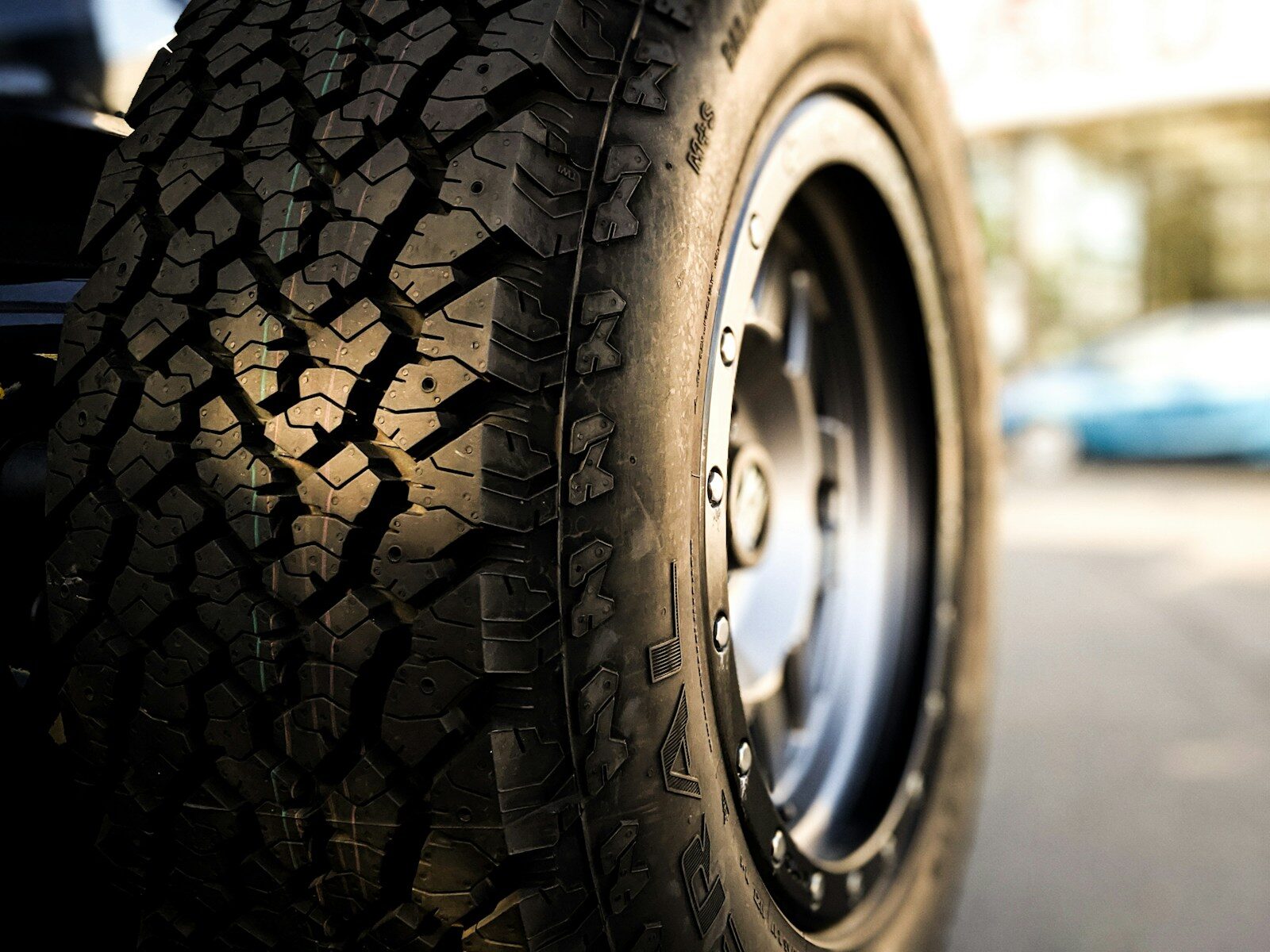
Your tires are covered in a cryptic string of numbers and letters that looks like a password, and most drivers have never bothered to decode it. That’s a mistake, because that sidewall tells you everything about what your car is riding on – and whether you’re about to buy the wrong replacements.
Breaking down the big string
Take a common example like P225/45R17 94V. It looks like nonsense. It isn’t.
Check This Out: Best Dash Cams of 2026: How to Choose the Right One for Your Vehicle
The P means passenger vehicle (you’ll see LT for light truck). The 225 is the tread width in millimeters. The 45 is the aspect ratio – the sidewall height as a percentage of that width, so a lower number means a shorter, sportier sidewall. The R means radial construction, which is virtually every modern tire. The 17 is the wheel diameter in inches.
The part everyone ignores
That 94 is the load index (how much weight each tire can carry) and the V is the speed rating. Speed ratings run from low letters up through Y, and matching or exceeding your car’s original rating actually matters – especially if you like using the whole tachometer.
The date code that could save your life
Read Next: The 10 Best Outdoor Knives of 2026: Top-Rated Picks for Hunting, Camping, and Survival
Look for a four-digit number in an oval – the DOT date code. The first two digits are the week, the last two the year. “2223” means the 22nd week of 2023. Rubber ages even when it isn’t driven, so a “great deal” on tires that are six years old is not a deal at all.
Knowing this stuff is core to not getting fleeced, which is the same energy behind our used car inspection checklist. If you’re kitting out something for the dirt, the right rubber matters even more – see our overland setup guide. And if you want proof that tire choice wins races, ask anyone in NASCAR.
The bottom line
Spend thirty seconds reading your sidewall before you buy. It’s the cheapest insurance in all of car ownership.
About the Author