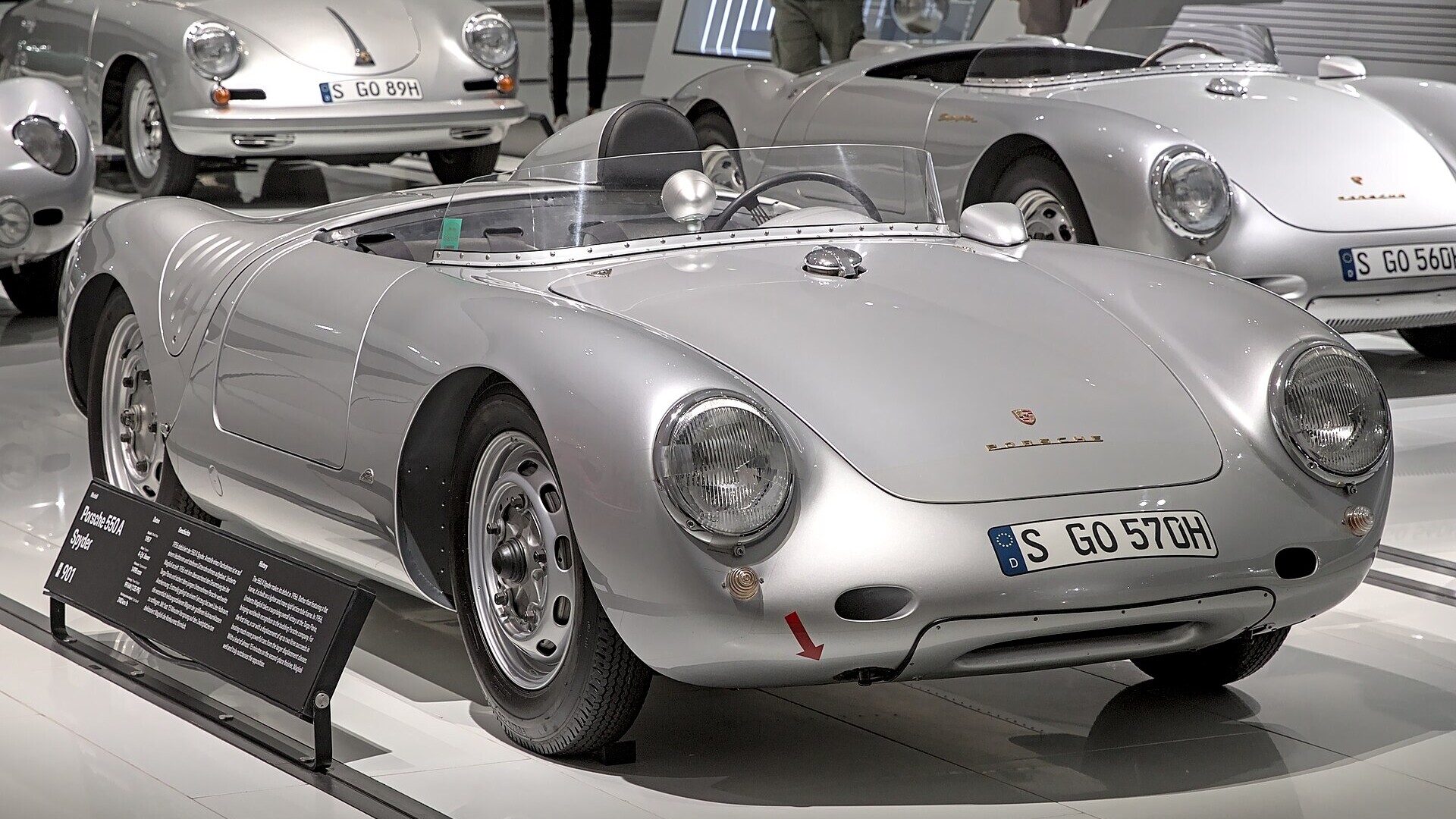
Photo: Alexander Migl / Wikimedia Commons, CC BY-SA 4.0
On September 30, 1955, a Porsche 550 Spyder with “130” painted on its nose and “Little Bastard” lettered across its tail headed north through California with James Dean behind the wheel. He’d owned it for barely more than a week. By sundown he was dead, and within five years the car itself would disappear so completely that nobody has found it since.
Seventy-one years later, the curse story still gets told every October. The missing car is the better mystery.
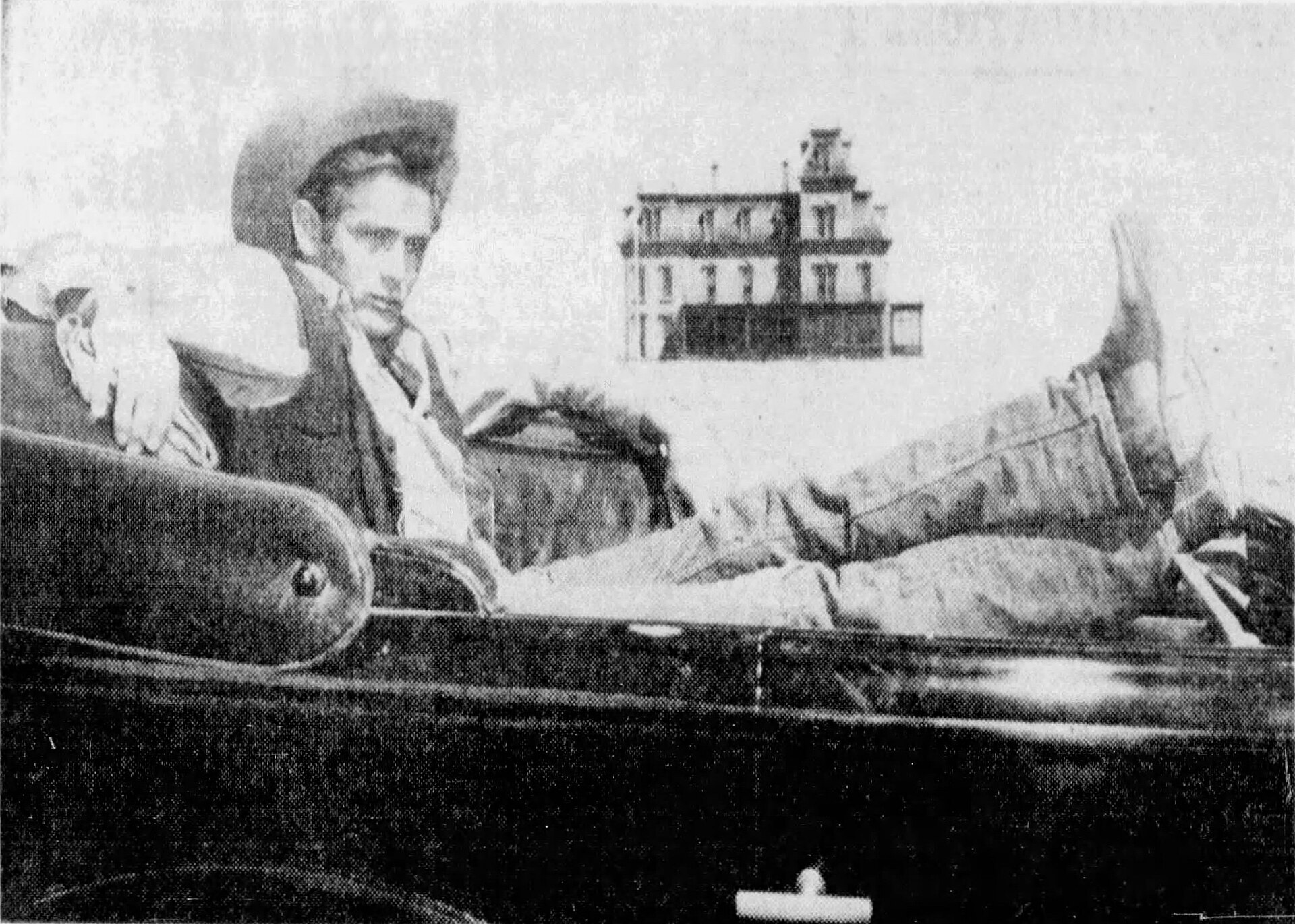
The last drive
Dean had been racing a Porsche 356 Speedster with some success and wanted something more serious. The 550 was exactly that: a light, mid-engined giant-killer that Porsche built for privateer racers. He bought one in September 1955 and had it lettered right away.
On the 30th he set out for a race meeting in Salinas, with his mechanic Rolf Wütherich in the passenger seat. Near Cholame, a 1950 Ford Tudor turning across the highway ended up in their path. Dean, 24, was killed. Wütherich was thrown from the car and badly hurt, but he lived.
For all the legend of Dean the racer, he never competed in the 550. He died on the way to its first event. He’s still the best-known name on the list of celebrities who died in car crashes, and what happened to his car afterward is where the story turns strange.
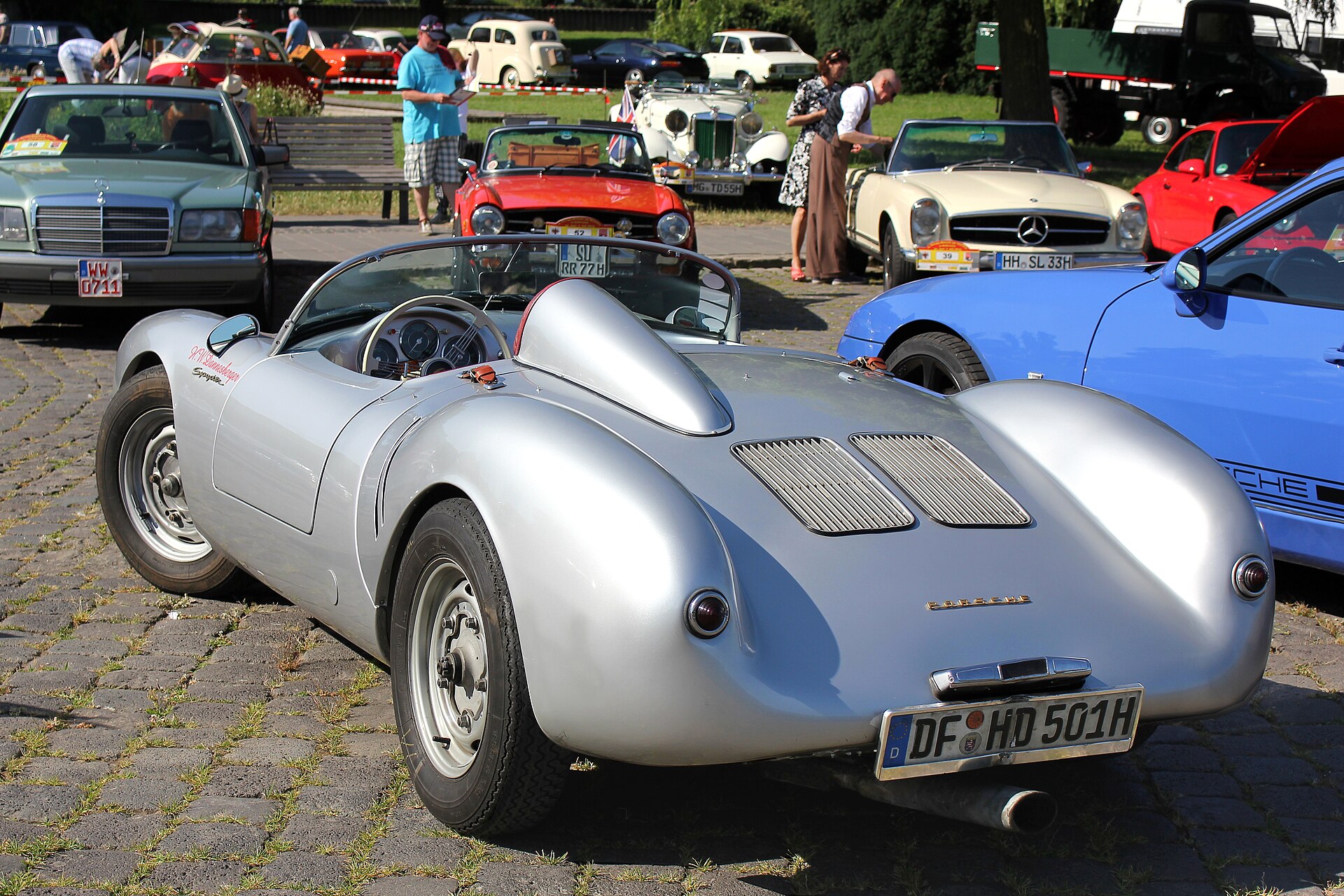
How a curse gets built
The first omen supposedly came before the crash. Alec Guinness later said that when he met Dean about a week earlier, he told him he’d be dead within a week if he got into that car. Maybe it happened just as Guinness remembered. It’s also a single recollection told long after the fact, and stories like that tend to improve every time they’re told.
Most of the curse grew up around the wreck. George Barris, the Hollywood customizer, ended up with it and sent it out on a traveling road-safety display, and the incidents piled up behind it. A doctor named Troy McHenry was killed in 1956 while racing a car said to be running parts from the Spyder. A display reportedly fell and injured a teenager. There were tales of garage fires.
Then, in 1960, the wreck vanished while being shipped between exhibitions. It has never turned up.
What anyone can actually prove
The crash is about as well documented as a 1950s road accident gets. Nearly everything after it comes secondhand, and much of it traces back to Barris, who had every reason to keep crowds lining up to see a “killer Porsche.” That doesn’t prove every story is invented. It does mean none of them has a paper trail anything like the crash’s.
The one nobody can produce
Collectors have a Holy Grail problem here: a real 550 Spyder, the most famous owner imaginable, and no car. People have claimed pieces over the years, and a transaxle said to be from the car has surfaced. A complete car never has. If one did, proving its identity would take years, and whoever managed it would be sitting on one of the most talked-about cars in the world.
The legend still sells: Porsche recently licensed an 80-percent-scale electric 550 Spyder.
If a complete Little Bastard rolled out of a barn tomorrow, would a transaxle match convince you, or do you want the VIN, the paperwork and a very long argument first?
Lead image: Alexander Migl / Wikimedia Commons, CC BY-SA 4.0
About the Author