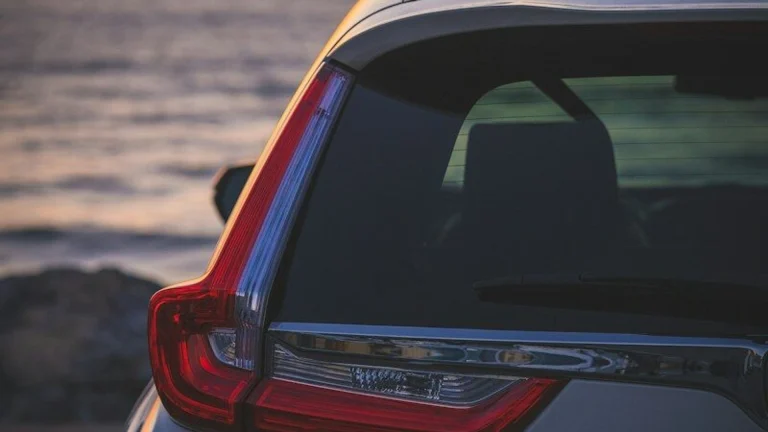
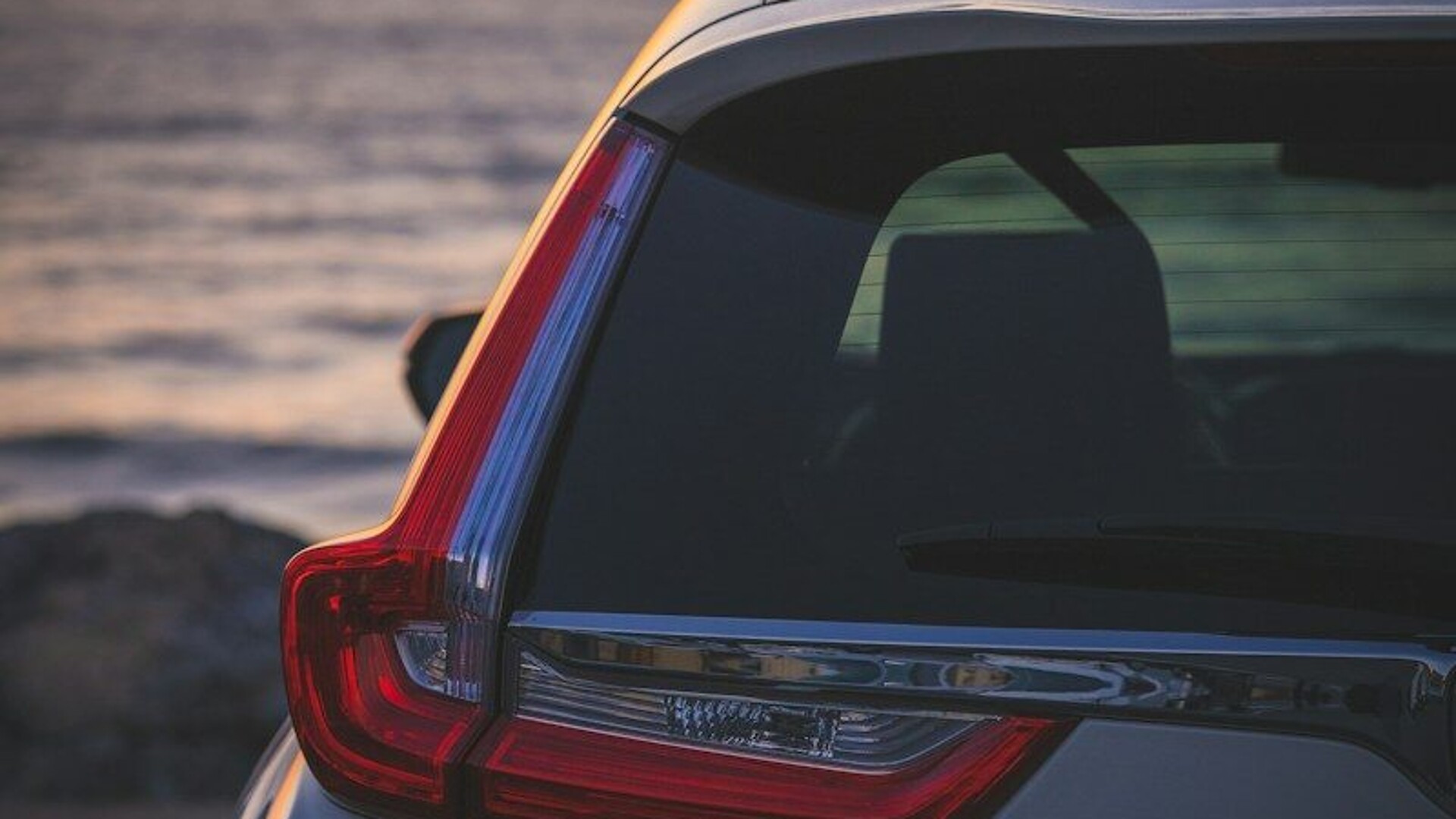
Organized auto-theft crews in Canada seem to have settled on a favourite again. On November 10, Équité Association released its annual Top 10 Most Stolen Vehicles lists, and the Honda CR-V took first place for 2025 by number of thefts. That makes three titles for the compact Honda. Équité notes it also led the volume ranking in 2021 and 2022.
The headline number is better than you’d expect. Équité’s 2025 Auto Theft Trend Report found theft across Canada fell 18% compared with 2024. Fewer cars are disappearing. The ones that still do just tend to be CR-Vs.
Why thieves keep picking a sensible SUV
The CR-V has no exotic V8 or six-figure sticker to explain it. Équité groups it with what it calls “globally serviceable vehicles,” and says that ongoing security weaknesses leave them vulnerable. Read that phrase the way a thief would. A CR-V is sold, serviced and repaired almost everywhere on earth. Parts are easy to find, replacement keys are a routine job, and a stolen one shipped overseas blends in instead of drawing attention. Équité’s national VP of intelligence and investigations, Bryan Gast, puts it bluntly: “Canada is a source nation for stolen vehicles.”
Related Articles
- Iowa City Approves Windshield Barnacles to Replace Tows for Parking Scofflaws
- Mopar Trades Electromod GTX Batteries for 885-HP Supercharged Hemi
The method matters as much as the model. Équité specifically names key fob relay attacks and key reprogramming as the ways thieves are getting into vehicles. A relay attack uses two radios. One picks up your fob’s signal from inside your house, and the other repeats it next to the car, so the car thinks you’re standing beside it. Reprogramming usually goes through the diagnostic port under the dash, where a thief with the right tool can teach the car to accept a blank key in a few minutes. Neither trick breaks anything. The car does exactly what it was built to do for whoever is holding the right tool.
Volume vs. frequency: two different lists
Équité publishes two rankings, and they say different things. The volume list counts raw thefts, so popular models naturally rise to the top. The frequency list measures thefts against the number of insured vehicles, and only includes a make and model once it passes 50 thefts.
On the frequency list, newer luxury models dominate. The Lexus TX Series leads with a theft rate Équité describes as more than 11% relative to insured vehicles. Put another way, if you drive a TX, your odds are dramatically worse than a CR-V owner’s, even though far fewer TXs are stolen in total. Province-by-province rankings are on Équité’s regional lists page.
A rulebook last touched in 2007
Here’s the part that should bug car buyers: Équité says Canada’s vehicle anti-theft standards were last updated in 2007. Those rules live in the federal Motor Vehicle Safety Regulations, which Transport Canada administers. In 2007, push-button start was a luxury feature and nobody worried about relay boxes. Équité wants to work with Transport Canada to bring the regulations in line with global best practices. It also cites a poll in which 72% of Canadians said anti-theft technology should come built into vehicles rather than sold as an aftermarket add-on.
Related Articles
- Coral Springs Man Released on Bond Aug. 24, Then Troopers Say He Fled at 140 MPH in a Yellow Corvette — Now Facing 7 Charges, Watch
- San Luis Obispo Police Say a Porsche Driver ‘Mistook the Markings’ at a Railroad Crossing, Turned Onto the Tracks, Then Got Stuck
CEO Heather Masterson’s line is the core of the argument: “We must make vehicles harder to steal.” Gast adds that “systemic vulnerabilities must be addressed at the manufacturing stage.” The insurers who fund Équité aren’t neutral here. Every stolen CR-V is a claim they pay. But they also have the claims data to back up the complaint. According to Équité, criminals profit from roughly $900 million in stolen vehicles every year.
What this means for your premium
Theft history feeds directly into how insurers price comprehensive coverage. A model that keeps topping the list tends to cost more to insure, and some insurers may ask for additional security before they’ll write a policy. If you’re shopping for a used CR-V, get insurance quotes before you sign. A cheap purchase price won’t help much if the comprehensive premium is high.
What you can do tonight
- Shield the fob. A signal-blocking pouch costs about the same as a tank of gas and cuts off the relay attack.
- Lock the diagnostic port. Aftermarket port locks make the reprogramming route slower and louder.
- Use something visible. A steering wheel lock is old-school, but it makes a thief who’s working on a schedule move on to the next car.
- Add a tracker. Better recovery odds can make a difference to your insurer, so ask whether it qualifies for a discount.
- Check your VIN history before buying. In a source country, a clean-looking used CR-V deserves a careful paperwork check.
Theft fell 18% and the CR-V still took the top spot. The anti-theft rules haven’t been touched since 2007, per Équité. Should Ottawa rewrite them, or should automakers fix this without being told?
About the Author