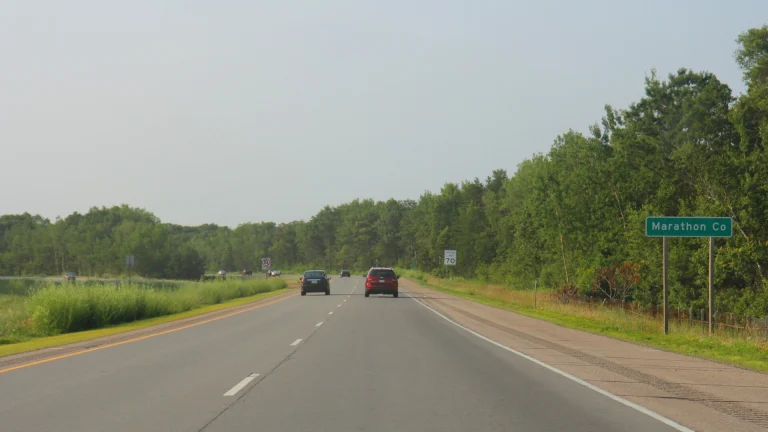
Automated license plate reader cameras in Pensacola, Florida. File photo; not a Charlotte installation.
Seth Elliott, a 25-year-old Charlotte, N.C., police officer, ran one license plate through the Flock Safety network and a state criminal justice database on June 16, 2026, according to the Charlotte-Mecklenburg Police Department. The State Bureau of Investigation arrested him July 29 on a charge of illegally accessing a government computer, which CMPD’s release calls a Class 1 misdemeanor. The CMPD Flock investigation then grew well past the lookup: state agents working the case pulled data from Elliott’s phone and found a group text thread that CMPD has tied to six other officers.
Six of the seven officers, Elliott included, have resigned, five of them between Oct. 11 and Oct. 19 in lieu of termination, according to CMPD’s release of their personnel records. The seventh remains suspended without pay pending a Civil Service Board review. Elliott has not been convicted of anything, and none of the reporting I reviewed says any of the six others has been criminally charged over the texts.
The warrant: one plate, two systems, one Snapchat reply
Warrants reviewed by the Watauga Democrat start with a Watauga County Sheriff’s Office drug investigation. An undercover detective made three purchases from a target between April 27 and June 16. After the June 16 sale, the target questioned the detective’s identity on Telegram and cited the name of the registered owner of the undercover car, which he said he had gotten through the DMV. He also said the car had been photographed once in the past week, which investigators read as a sign he had access to Flock. Flock records then showed that an account named Seth Elliott had queried the plate on June 16.
Elliott told SBI agents on June 18 that he was friends with the target and had attended college with him, the warrant says. By that account, the target messaged him on Snapchat, said an unidentified person had been hanging around the target’s father’s business, and asked him to run the plate. Elliott said he ran it in CJLEADS and the Flock app and sent the results back in the same Snapchat thread. As reported, the warrant does not say Elliott knew the plate belonged to an undercover officer or that his friend was under investigation.
Elliott’s attorney, George Laughrun, declined to comment beyond saying he and his client are preparing for the criminal case, WBTV reported. None of the coverage I reviewed gives a court date.
What the SBI found on the phone
Text messages and other data pulled from Elliott’s phone during the drug case went to CMPD, and a later review found a thread among officers, WBTV reported Oct. 12, citing multiple unnamed sources. Those sources described a contest over who could pull over the most Black drivers and repeated use of a racial slur. CMPD did not confirm or deny those details at the time and has not released the messages. The officers came from the North Tryon, Freedom and University City divisions, WBTV reported; Elliott worked University City.
Chief Estella Patterson has called the allegations serious and deeply troubling, The Assembly reported, and has said the chat goes back years, per WFAE. Because the messages were on personal phones, she said, they can be subpoenaed, WBTV reported. CMPD cited six officers for termination on Oct. 9. Under Charlotte’s personnel rules the chief can recommend firing a sworn officer but the Civil Service Board decides, WFAE reported, which is why the officer who has not resigned is waiting on that board. Patterson has said she wants the state to revoke the officers’ law enforcement certificates so none can work as an officer anywhere in North Carolina, per WBTV’s roundup. Elliott has already surrendered his, The Assembly reported. A resignation ends the job; certification is a separate state credential that decides whether another department can hire the officer.
Patterson has also said she asked federal partners to review the thread, WBTV reported.
Who checks a plate search in North Carolina
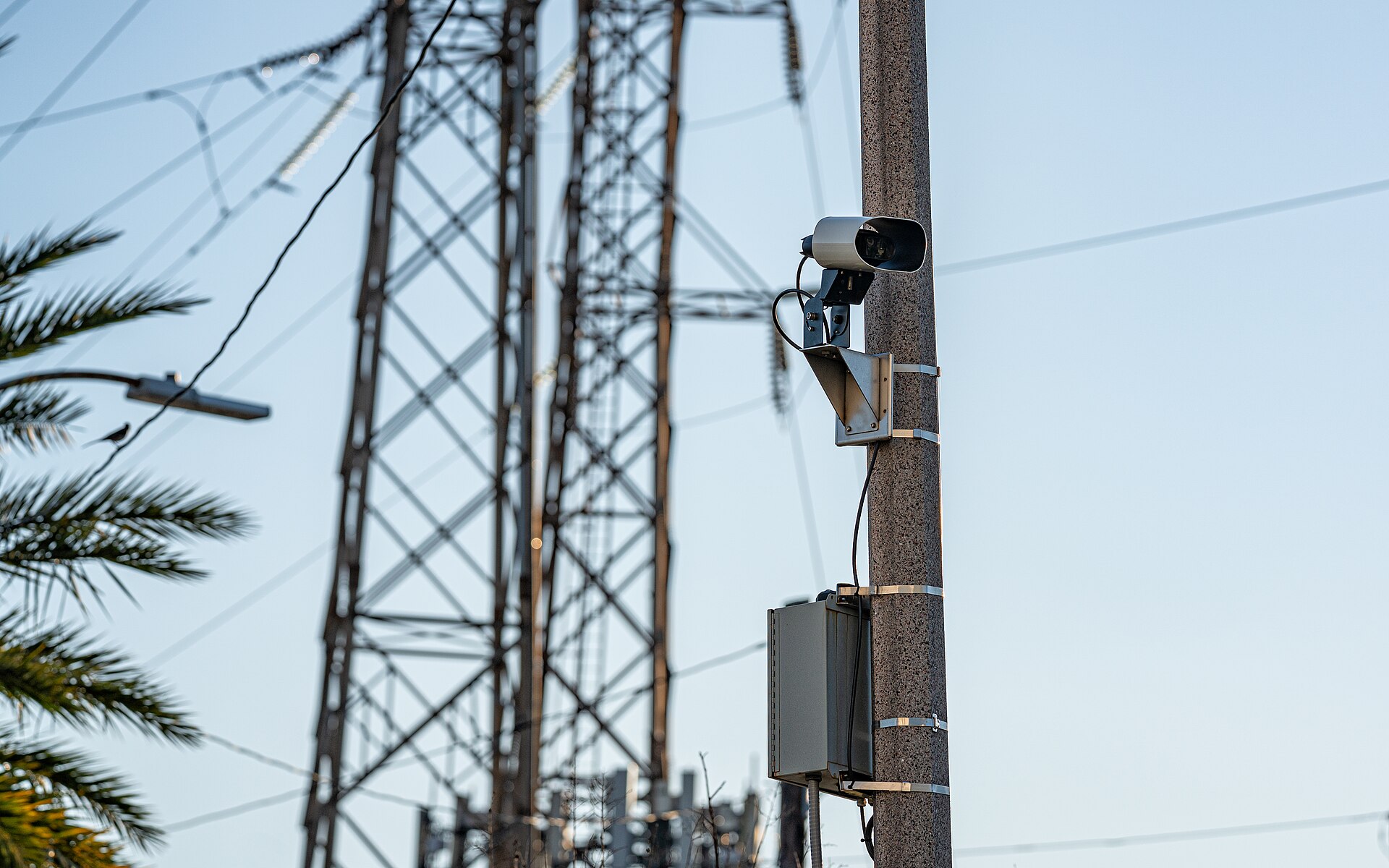
State law spells out the rules in Article 3D of Chapter 20 of the General Statutes. Plate-reader data can be used only for law enforcement purposes and cannot be used to enforce traffic violations. Each agency must adopt a written policy covering supervision and auditing, with audits “annual or more frequent” and reported to the agency head (G.S. 20-183.31). Captured plate data is confidential, is not a public record, and can be kept no longer than 90 days without a preservation request or warrant (G.S. 20-183.32). Getting or sharing it outside those rules is itself a Class 1 misdemeanor (G.S. 20-183.33). CMPD’s release does not cite a statute for Elliott’s charge, so which law the warrant relies on is not clear from what has been made public.
In Charlotte’s case, both problems reached CMPD from outside the department. CMPD’s release says the department learned of the lookup June 18 from an unrelated SBI investigation, and the thread turned up in the same SBI case. According to the warrants as reported, the trail to Elliott started with the target’s own message to the undercover detective, not with an audit. A yearly review of the logs could not have caught a June 16 lookup before the SBI did, and the department had the SBI’s word on it by June 18.
CMPD does not own or operate any Flock cameras. Its release says a memorandum of understanding gives its officers access to other agencies’ and entities’ devices at no charge, so a lookup like this one runs against cameras Charlotte does not control. The SBI sent agencies best-practice guidance in September, WRAL reported, recommending a reason and case number for every search and audits that flag searches involving employees, family members or acquaintances. A lookup for a college friend fits that last category. WRAL also reported that Flock will require an automatic audit tool that flags abnormal behavior starting in January. Charlotte is not alone: a Georgia investigator accused of misusing Flock cameras for about six months resigned and then surrendered, and a Milwaukee officer resigned after running one woman’s plate 179 times.
What it means for drivers in Mecklenburg County
Prosecutors are required under Brady v. Maryland and Giglio v. United States to give defendants evidence that could undercut an officer’s credibility. The Assembly reported that CMPD shared information with Mecklenburg County prosecutors to determine whether defendants in the officers’ past cases must be told about the texts, and that community groups have demanded the district attorney review convictions involving them. That is a demand, not a confirmed review. Those disclosure duties reach cases in which any of the seven was a witness.
The Assembly’s analysis of stop data found Black drivers were about 4.9 times as likely to be searched after a stop from 2021 to 2026, up from about 3.2 times in a RAND study of 2015 to 2020. A CMPD spokesperson, Erin Wiggins, told the outlet there was no evidence the disparities came from department-wide racial profiling or bias.
What comes next
No outcome in Elliott’s case has been reported, and he is presumed innocent. The suspended officer’s Civil Service Board review, the state certification actions, the federal review and the prosecutors’ disclosure decisions have no dates in the reporting I found. Flock’s automatic audit tool, which WRAL reported will be required starting in January, is the one date on the calendar.
Should a department that searches other agencies’ plate cameras have to match every officer lookup to a case number as it happens, or is a yearly audit enough?
About the Author