Roush has spent the better part of four decades building its name on things with a steering wheel involved — supercharged Mustangs, NASCAR engines, prototype vehicles for nearly every OEM in Detroit. Now the Livonia, Michigan company is assembling something with nobody touching a wheel at all: driverless Class 8 semis for Aurora Innovation, and it’s ramping up to build them by the thousand.
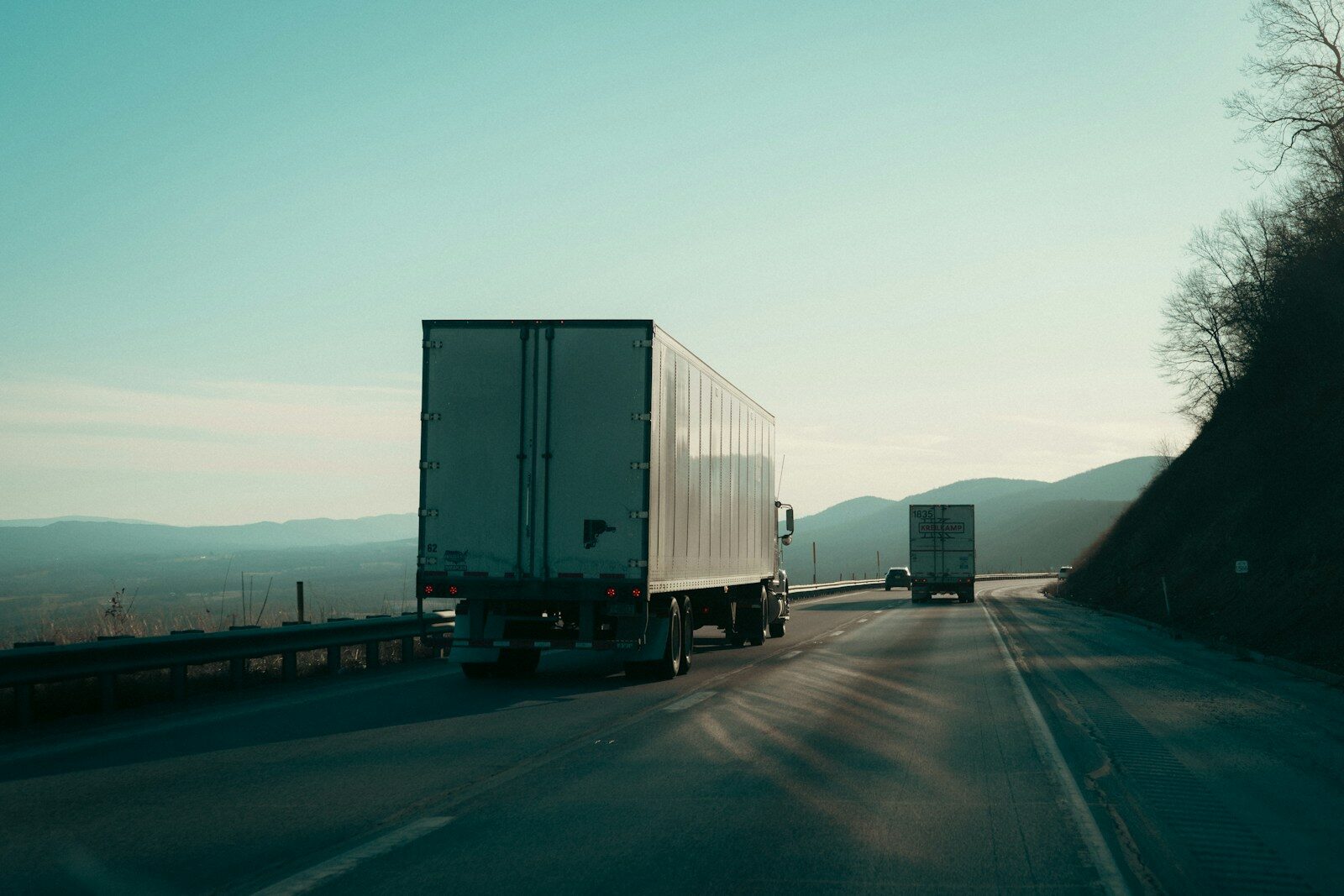
Aurora announced on July 22 that it has launched its second-generation driverless trucks, based on the International LT Series platform, with Roush as the manufacturing partner tasked with building them at volume. The companies have formalized what they call an “upfit process,” and Roush is targeting an annual production run-rate of 1,000 Aurora trucks by the end of this year, all assembled at a facility dedicated solely to the program. Aurora co-founder and CEO Chris Urmson framed the launch as the payoff for last year’s real-world testing, saying the new platform “provides the foundation to deliver at scale.”
That’s not a small manufacturing footnote. Turning out a handful of prototypes is one problem; producing four-figure annual volumes of Class 8 tractors with genuinely redundant safety hardware is another entirely, and it plays directly to what Roush has done for motorsports and OEM programs for decades — low-volume, high-precision assembly work, just aimed at a robot instead of a race car this time.
What “redundant systems” actually means
Aurora’s materials describe Roush’s job as installing redundant systems and integrating its next-generation hardware into every truck. In practical terms, a human-driven semi only needs one steering system and one set of brakes, because a driver is there to notice if something goes soft. A truck built to run with nobody behind the wheel needs backup actuation for steering and braking, backup power distribution, and backup compute, all engineered to fail over instantly, because there’s no hands to grab the wheel if a primary system doesn’t. That’s a fundamentally different vehicle architecture than a diesel tractor rolling off a standard assembly line, and it’s why Aurora needed a dedicated integration partner instead of simply ordering trucks and bolting sensors onto them.
The “built to last a million miles” claim is worth unpacking too, because the impressive part isn’t the number, it’s what has to survive to hit it. Class 8 diesel drivetrains already routinely run 750,000 to over a million miles before a major overhaul, so that part isn’t new. What’s new is holding the sensor suite and compute stack to that same lifespan. Lidar units, cameras, and onboard computers have historically been the weak link in autonomous vehicle hardware, degrading well before the chassis they’re bolted to, thanks to constant vibration, thermal cycling, and road grime. Matching electronics durability to diesel-drivetrain durability, on a vehicle that racks up more annual mileage than almost anything else on the road, is the actual engineering flex here.
The paperwork nobody’s cross-checking
Before shipping this hardware, Aurora says it closed its “Safety Case” for the new truck and hardware combination. It’s worth being precise about what that phrase means: it’s Aurora’s own internal validation bar, not a federal certification, because no federal certification framework for driverless Class 8 trucks currently exists. That regulatory vacuum is the same one that’s left robotaxi operators wrestling with local governments over vehicles that keep getting stuck in city traffic, and it’s a very different position than automakers whose self-driving promises have ended up as exhibits in a courtroom instead of trucks on the road. Aurora, so far, has the receipts: nearly 440,000 driverless miles logged as of the end of June, spread across 10 routes through the Sun Belt.
Whether that translates into actual fleet sales is the open question. Aurora’s own securities filings note that Hirschbach’s plan to buy 500 Aurora Driver-powered trucks remains a non-binding memorandum of understanding, not a signed purchase order. That distinction matters for anyone trying to gauge how fast this scales, because non-binding freight agreements have a habit of shrinking or quietly disappearing before they turn into invoices.
It also raises a question insurance underwriters are actively wrestling with: when a truck with no driver crashes, who’s actually on the hook? Traditional commercial auto liability was built around a driver’s decisions behind the wheel. A driverless freight model shifts more of that exposure toward product liability aimed at the software maker, the hardware integrator, or both, and carriers are still figuring out how to price that risk. It’s a quieter but arguably bigger story than the mileage counter, especially set against a trucking industry already dealing with a federal crackdown that pulled thousands of human drivers off the road this year.
For now, the more interesting half of this story isn’t the trucks, it’s the shop building them. Roush has spent decades proving it can turn out low-volume, high-precision vehicles for racetracks and OEM prototype programs. Scaling that same discipline to four-figure annual output of driverless freight trucks says more about where manufacturing expertise is headed than any single spec sheet does. The shop that makes your Mustang faster is now, quite literally, in the business of building trucks that don’t need you at all.
About the Author